
Discover Ireland’s top attractions, including iconic landmarks, historic castles, scenic coastal views, and charming cities every traveler should experience.
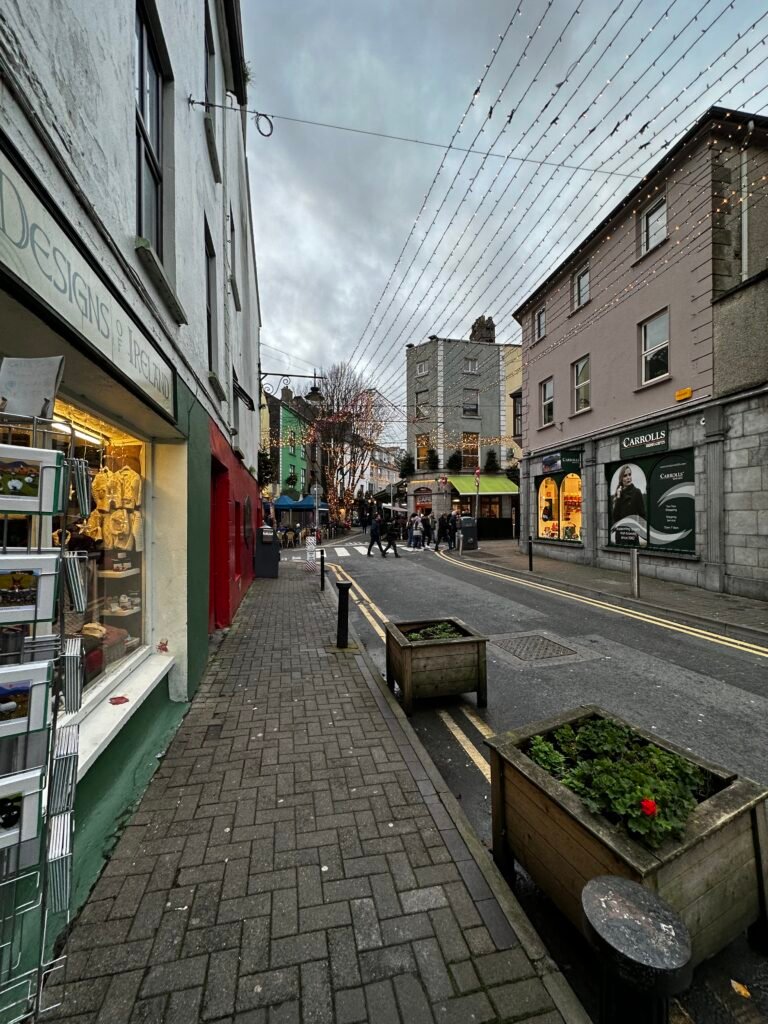
We visited Ireland with Katie’s parents and rented our own car to make the full loop around the country. We drove down to Muckross, over to Galway and Clifden, and eventually made our way back to Dublin. Along the way, we experienced the beauty, history, culture, food, and breathtaking nature of Ireland firsthand. It was such a special trip for all of us, and we already can’t wait to go back for our next adventure there. 🍀
#10 Dublin Castle
Dame St, Dublin 2, Ireland
Image shows Dublin Castle.
One of the first things we saw was Dublin Castle. We weren’t able to go inside at the time, but even just seeing the exterior was an incredible introduction to Ireland’s deep history.
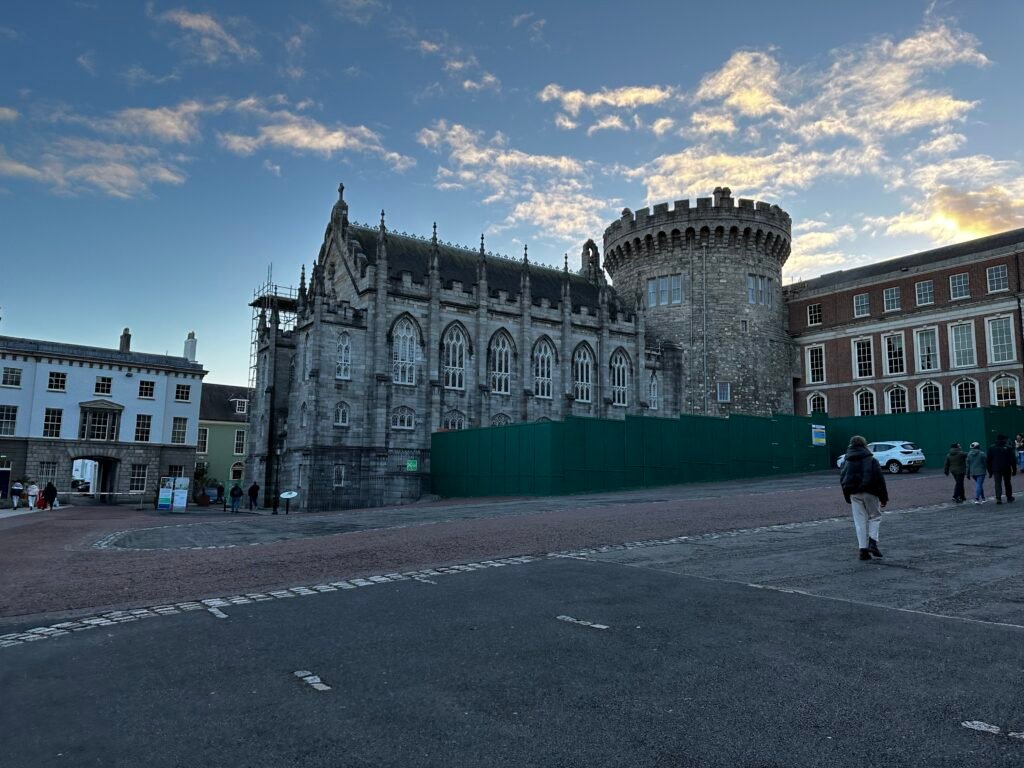
Originally built in the early 13th century around 1204 on the site of a Viking settlement, the castle served for centuries as the seat of British rule in Ireland. Today, it stands as a symbol of the country’s complex past and its journey to independence.
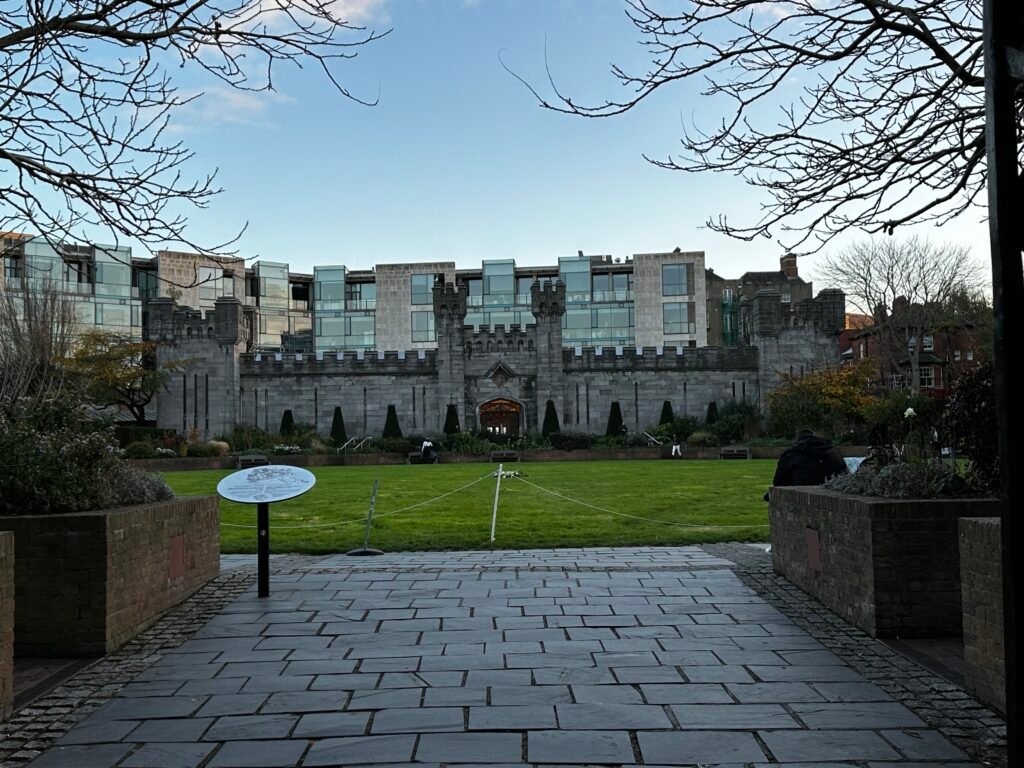
A little hidden beauty sits just behind the castle in the Dubh Linn Garden. When we first wandered back there, it almost felt like a quiet secret tucked away from the city streets. Even visiting in November, when everything should have felt colder and quieter, it was still stunning.
#9 King John’s Castle
King John’s Castle, Nicholas St, Englishtown, Limerick, V94 FX25, Ireland
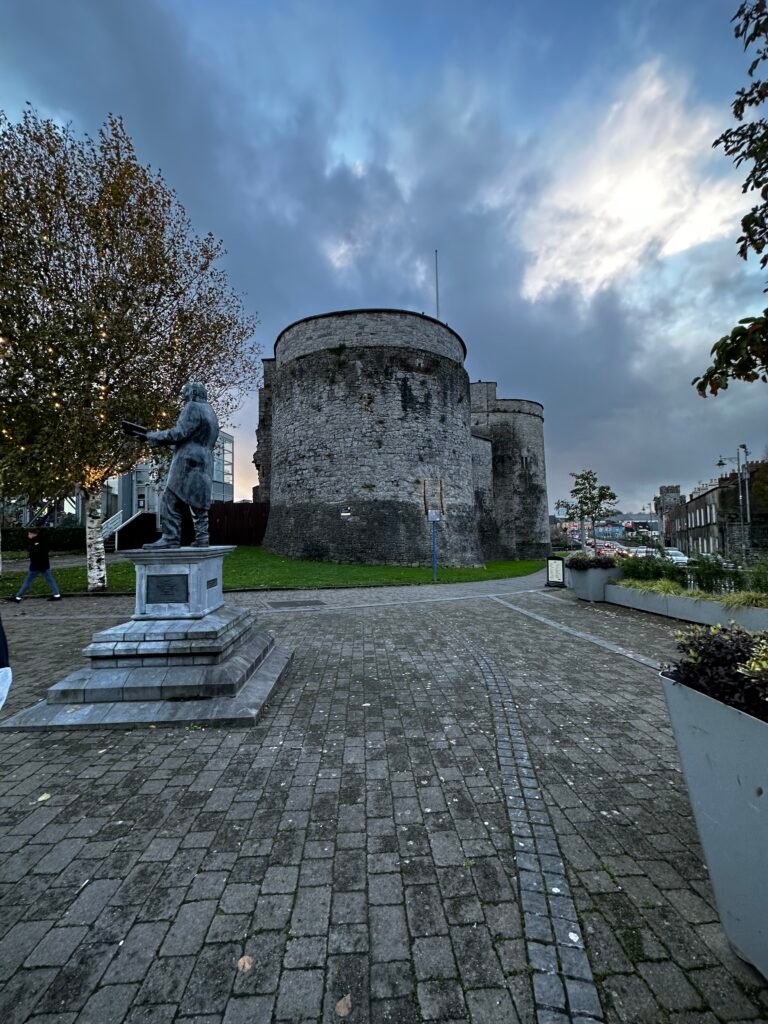
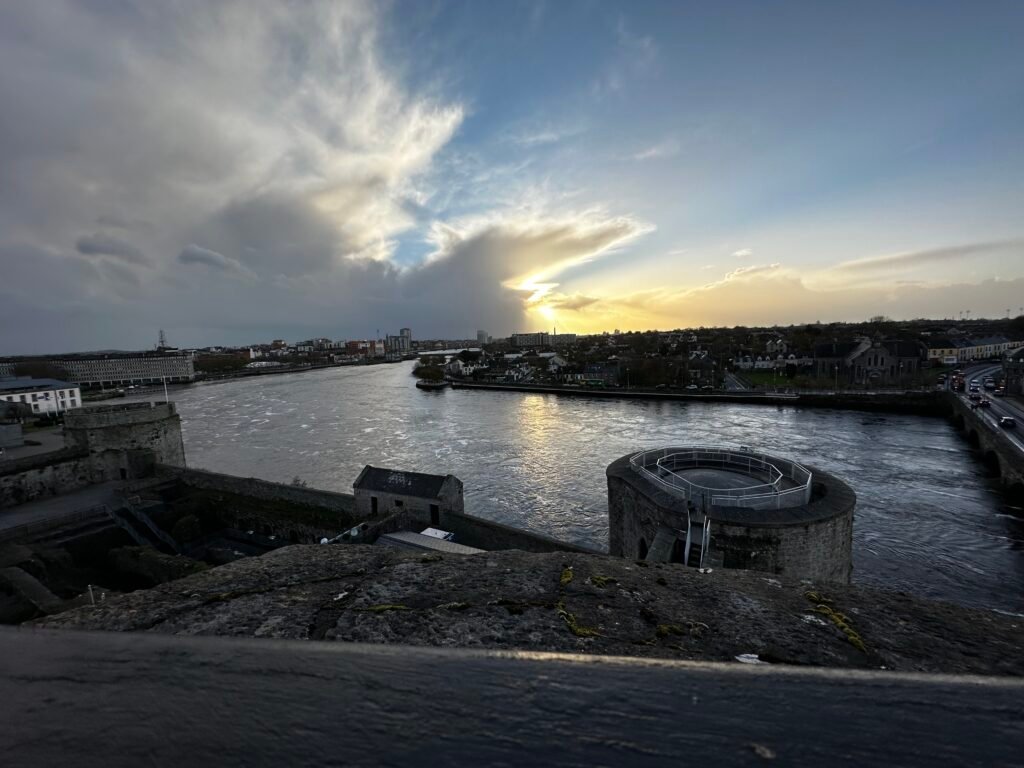
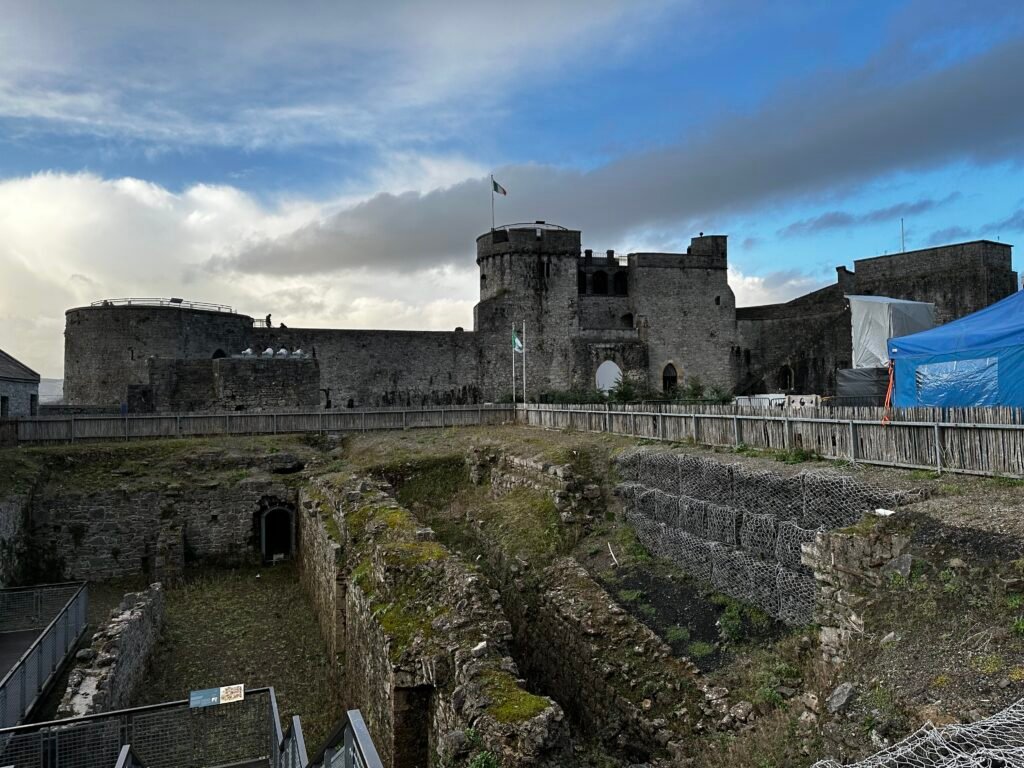
Image shows King John’s Castle from the exterior.
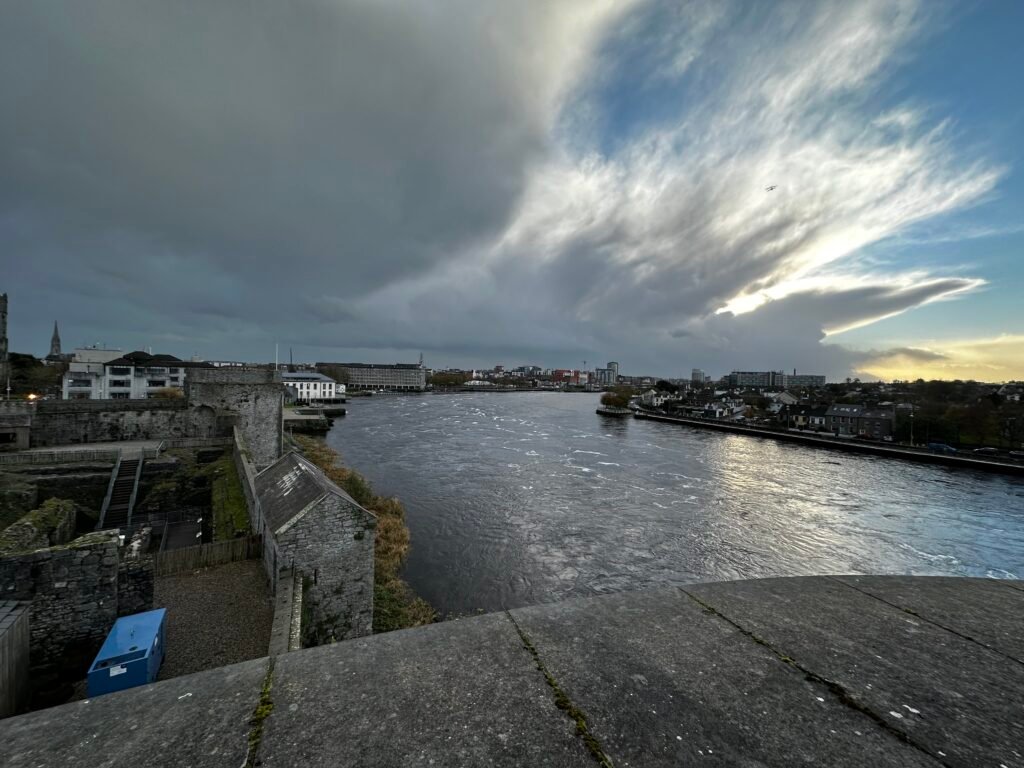
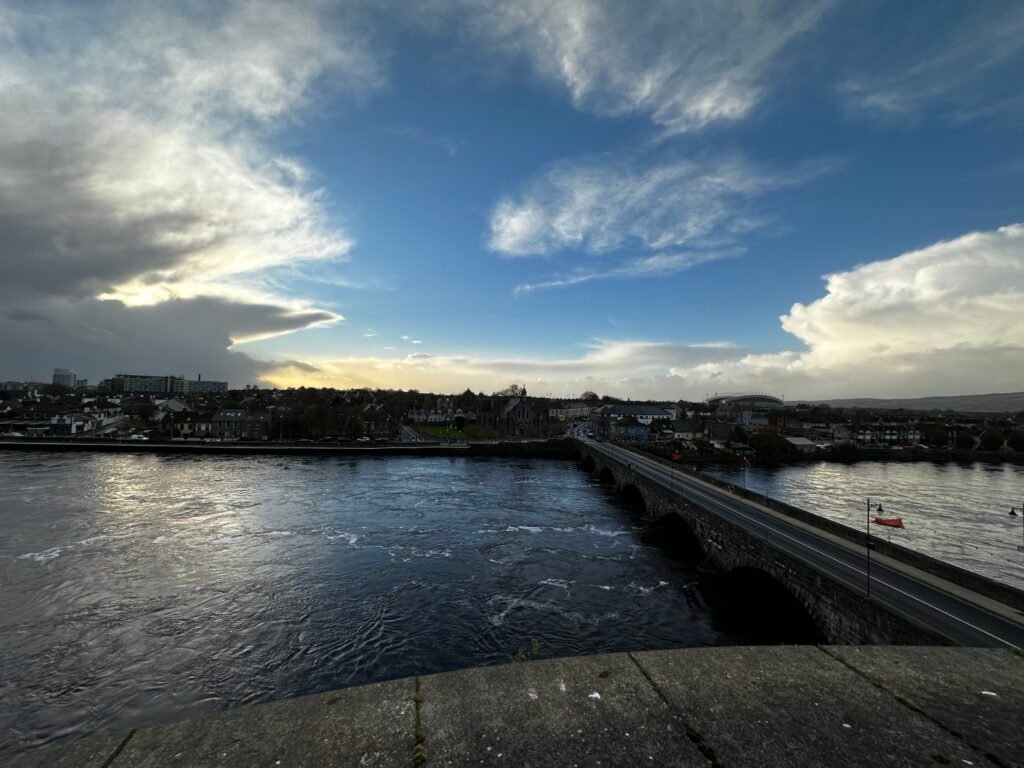
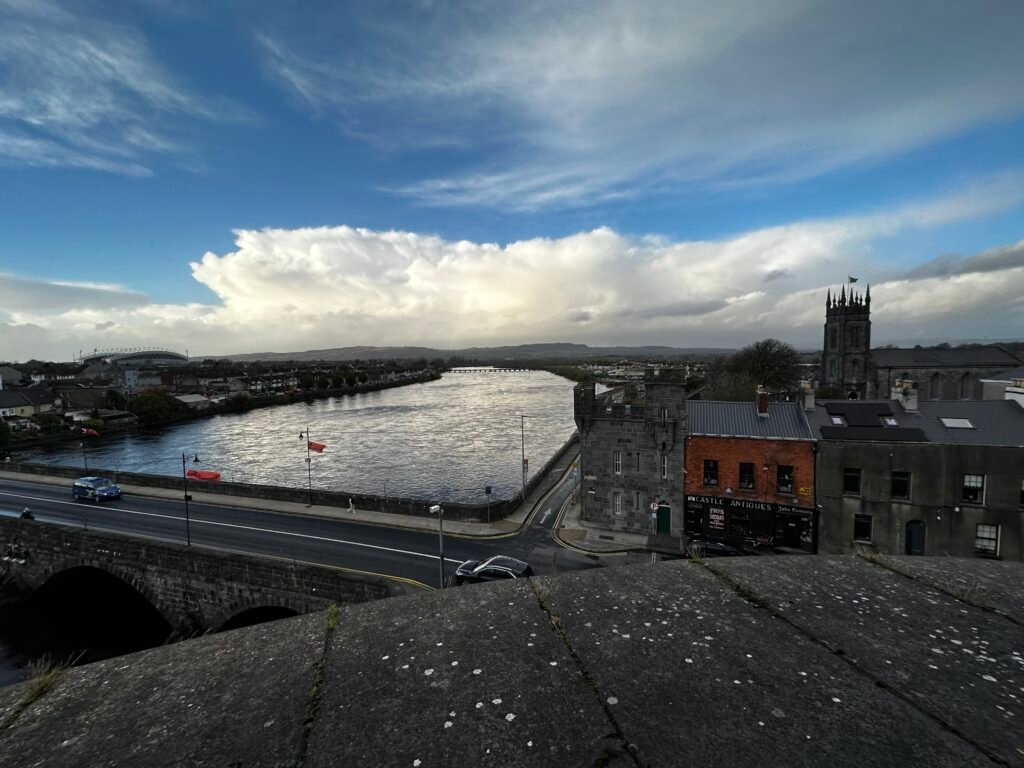
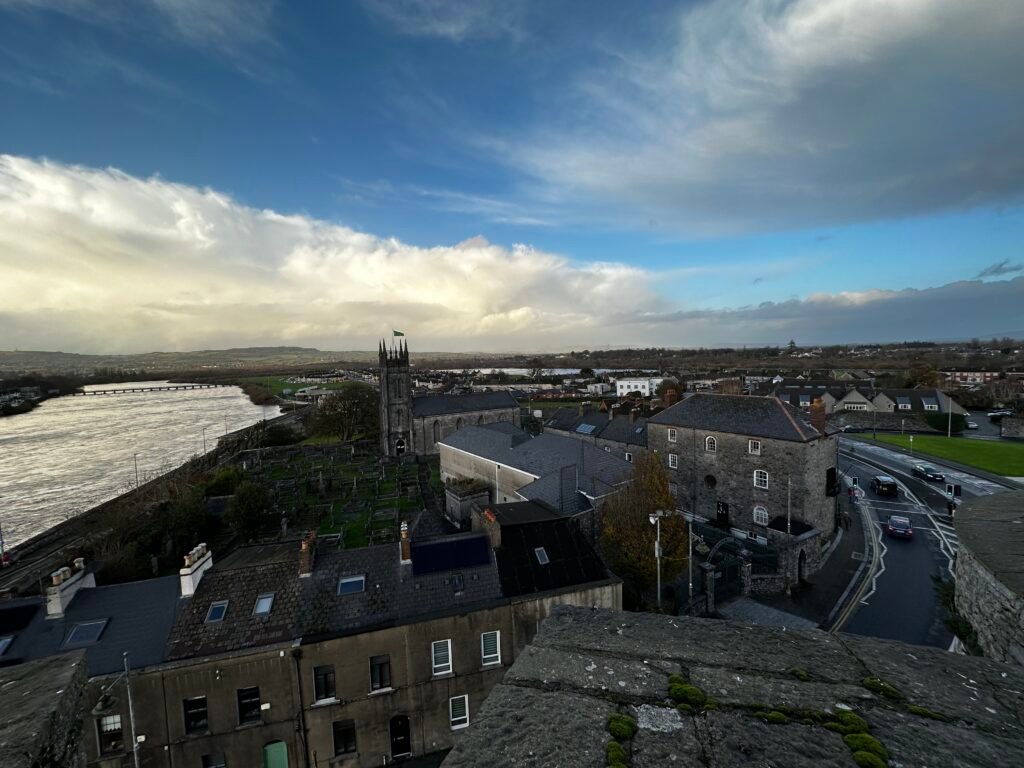
On our way up from Muckross to the Cliffs of Moher, we stopped for lunch in Limerick and decided to visit King John’s Castle. Built in the early 13th century around 1210 under the order of King John of England, the castle sits along the River Shannon and played a major role in defending the city during medieval times, including the sieges of Limerick in the 1600s.
Inside, the museum gave an in-depth look at the history of the area and the castle itself, from Norman rule to later conflicts. One of the best parts was being able to walk along the battlements, taking in panoramic views of Limerick and the river below. Standing on those massive stone walls really puts into perspective the sheer size, strength, and strategic importance of the fortress. Being inside – surrounded by centuries-old stone – made the history feel real and immersive, not just something you read about, but something you could actually experience.
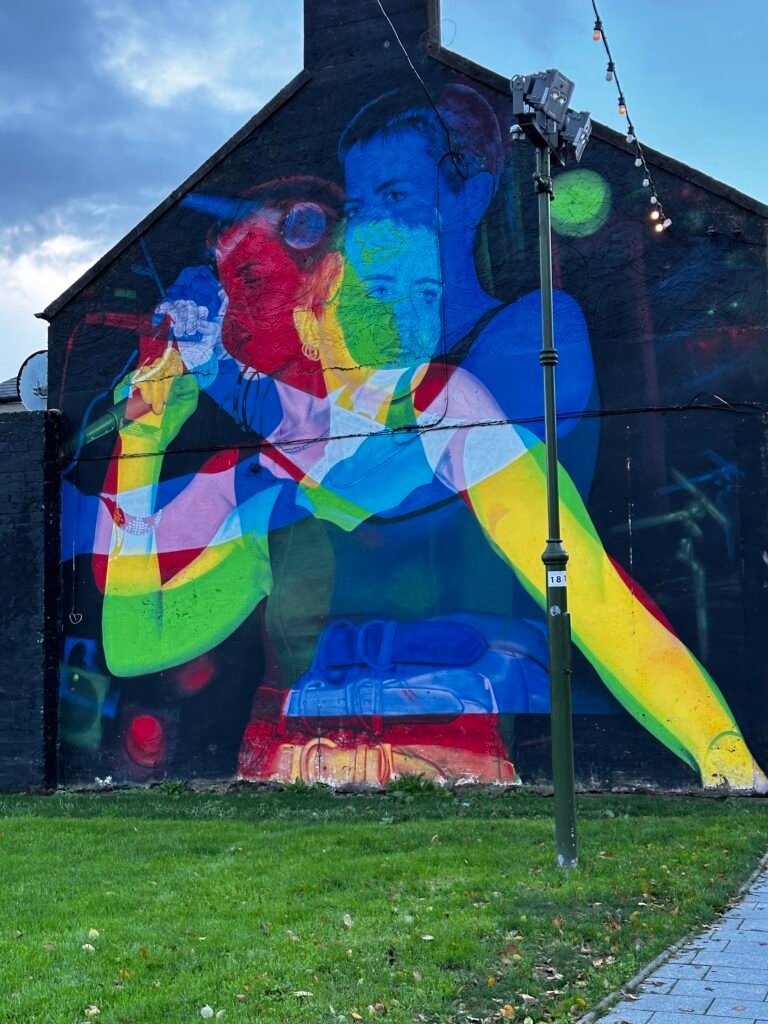
Ireland is also well known for its strong artistic spirit and its long history of rebellion and cultural expression. Creativity here has always gone hand in hand with identity. Just outside the castle, we came across this striking mural painted across a building wall — bold, colorful, and impossible to miss. Note, not a camera effect – the phone – the painting was done this way intentionally.
#8 Galway
Galway, Co. Galway, Ireland
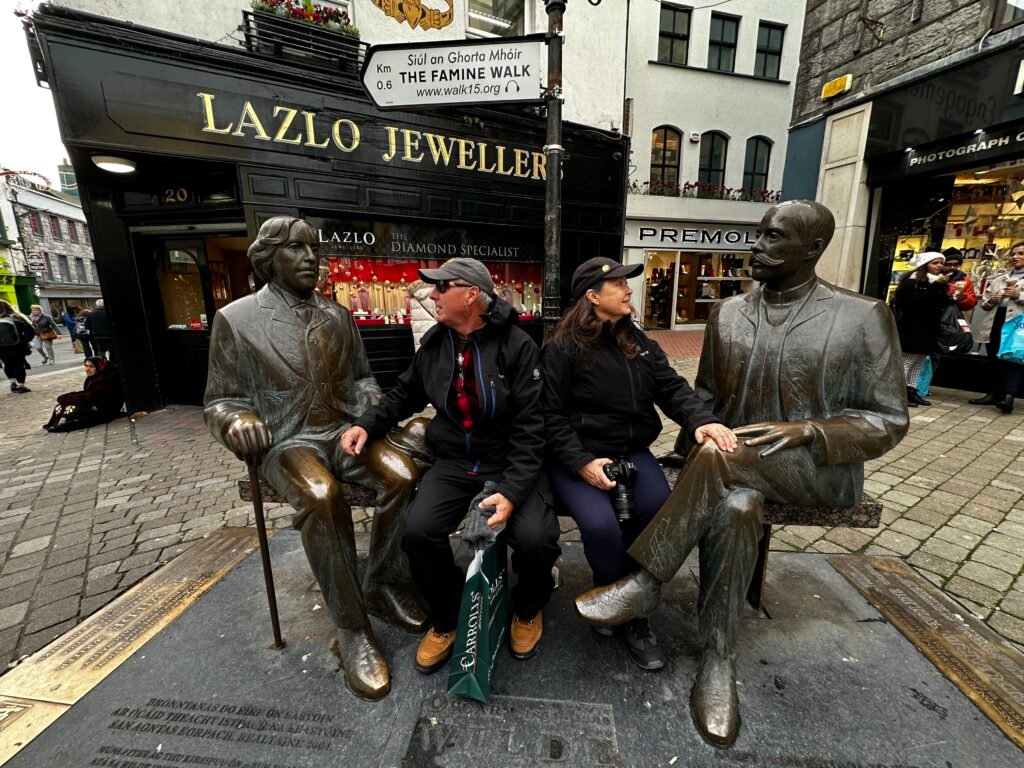
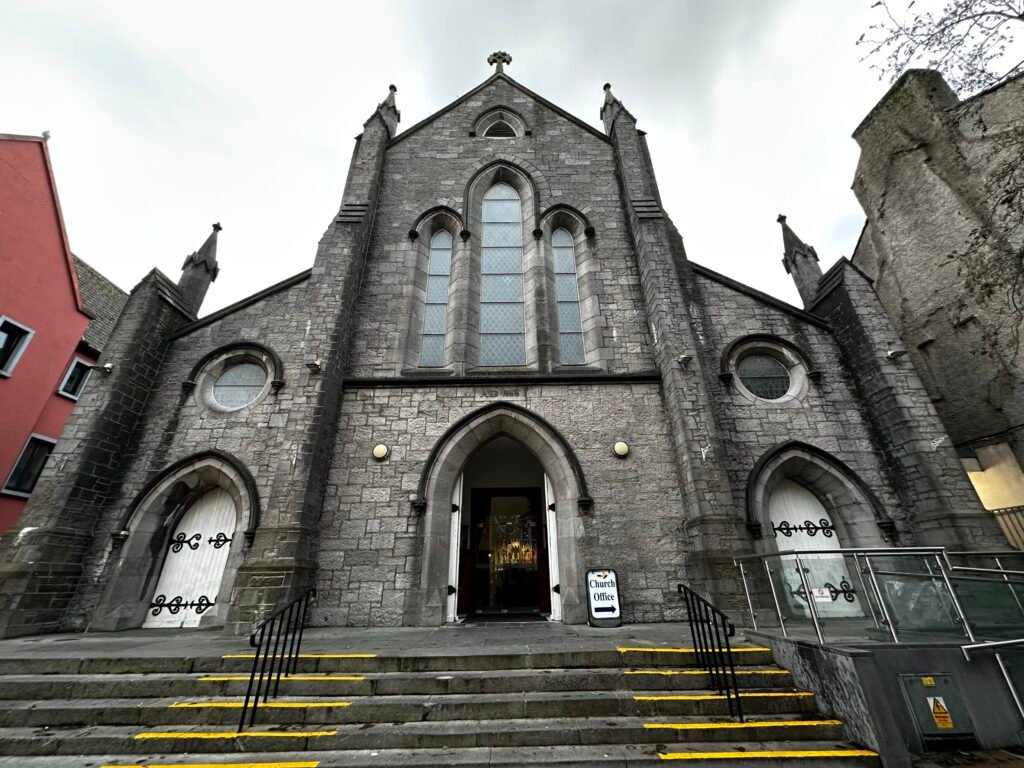
The last major stop on our trip was Galway. Founded as a medieval trading port in the 13th century, Galway grew through commerce with Spain and France and later became known for its strong Irish identity, language, and arts scene. It was officially named a European Capital of Culture in 2020, reflecting how central music, literature, and street performance are to the city.
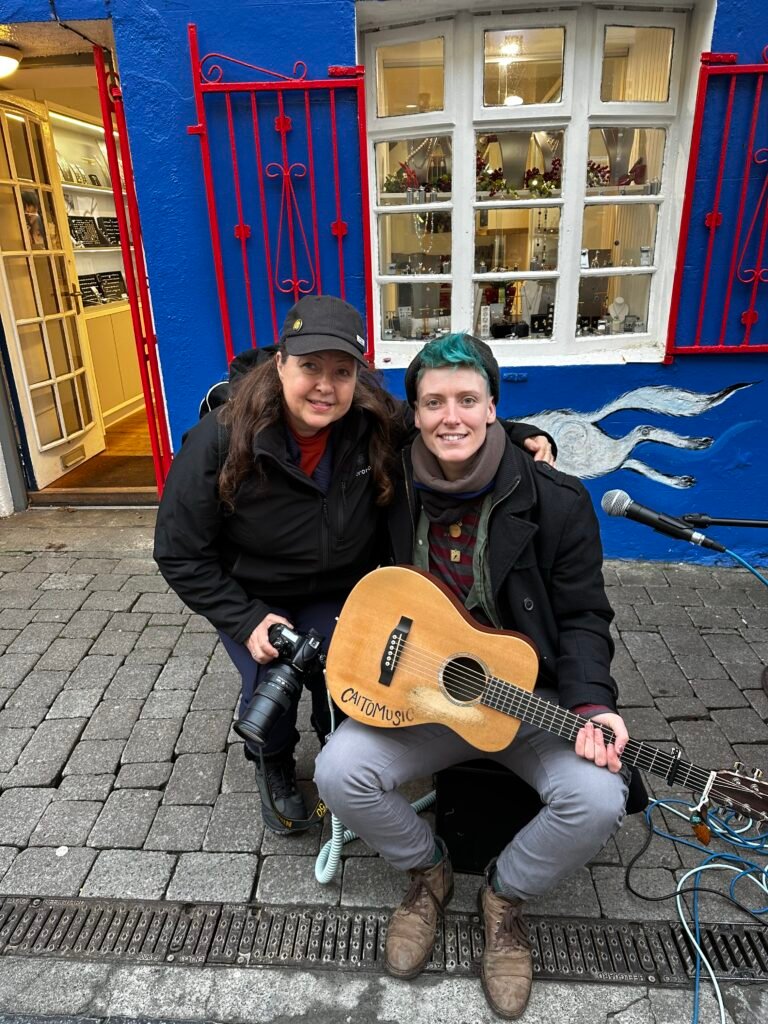
Walking through the streets, especially around the Latin Quarter and Eyre Square, you can feel that creative culture Ireland is proud of. Even in the off-season, there were still people out enjoying food, sitting in pubs, and spending time together. It wasn’t crowded, but it didn’t feel empty either — just relaxed, local, and authentic.
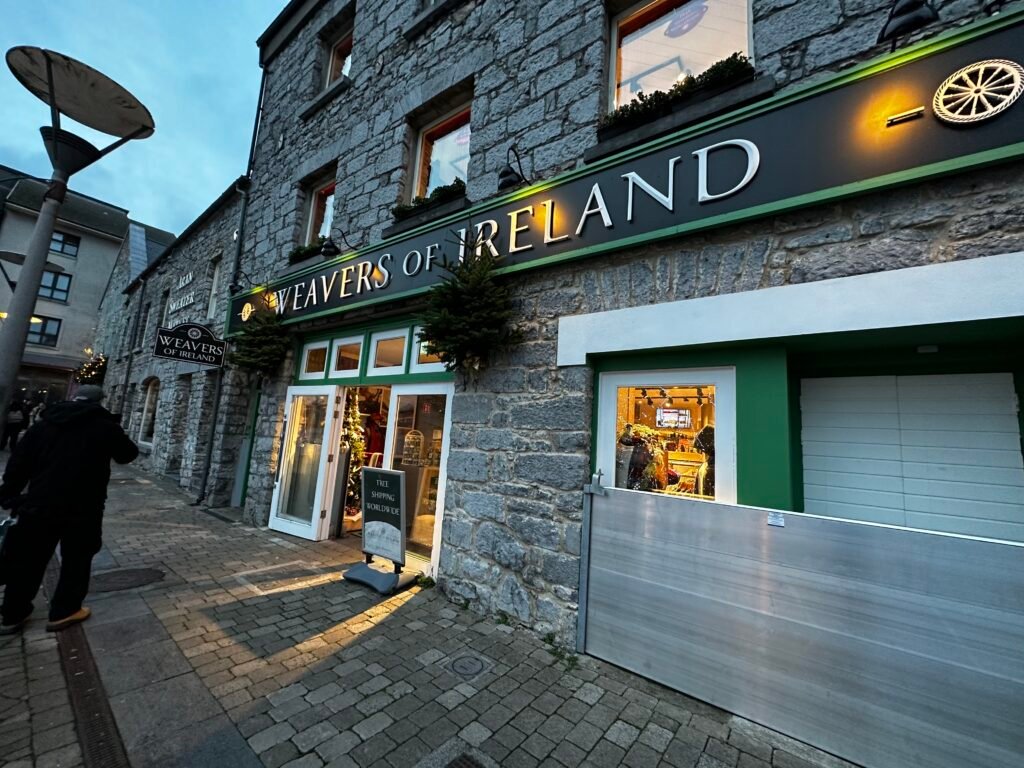
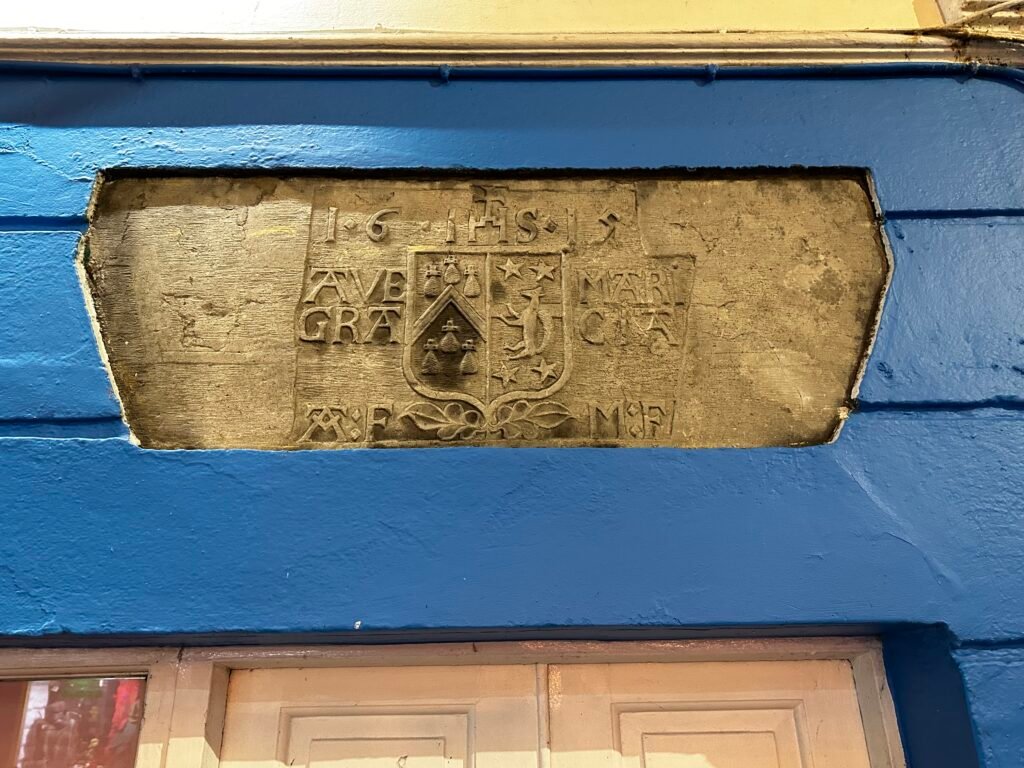
Walking back to our hotel, I noticed this stone plaque sitting above a shopfront. The store was closed, so I wasn’t able to go in and ask about it, but it immediately caught my attention.
It’s the small details like this that I find the coolest in Galway — centuries-old carvings just quietly built into everyday buildings. You can walk right past them if you’re not looking up.
#7 Wicklow Mountains National Park
Co. Wicklow, Ireland
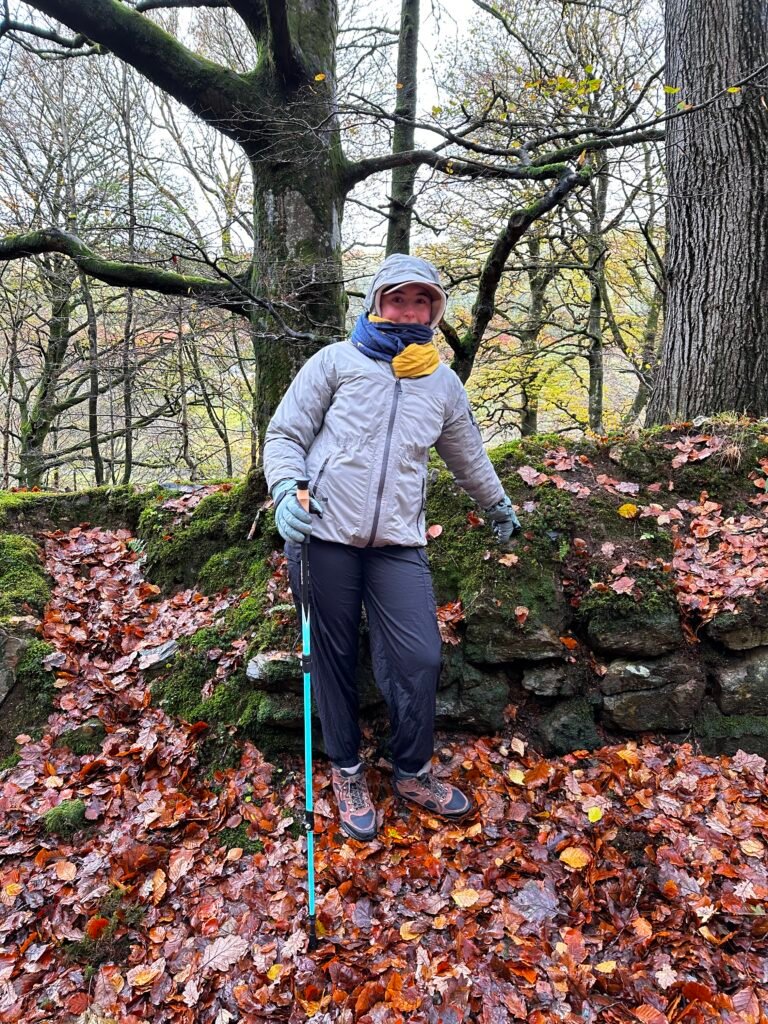
Image shows Katie bundled up next to nature.
Our first stop after leaving Dublin was Wicklow Mountains National Park. I really wanted to get out into nature right away and start experiencing the Irish countryside. The rolling hills, open landscapes, and quiet roads were exactly what I had hoped for.
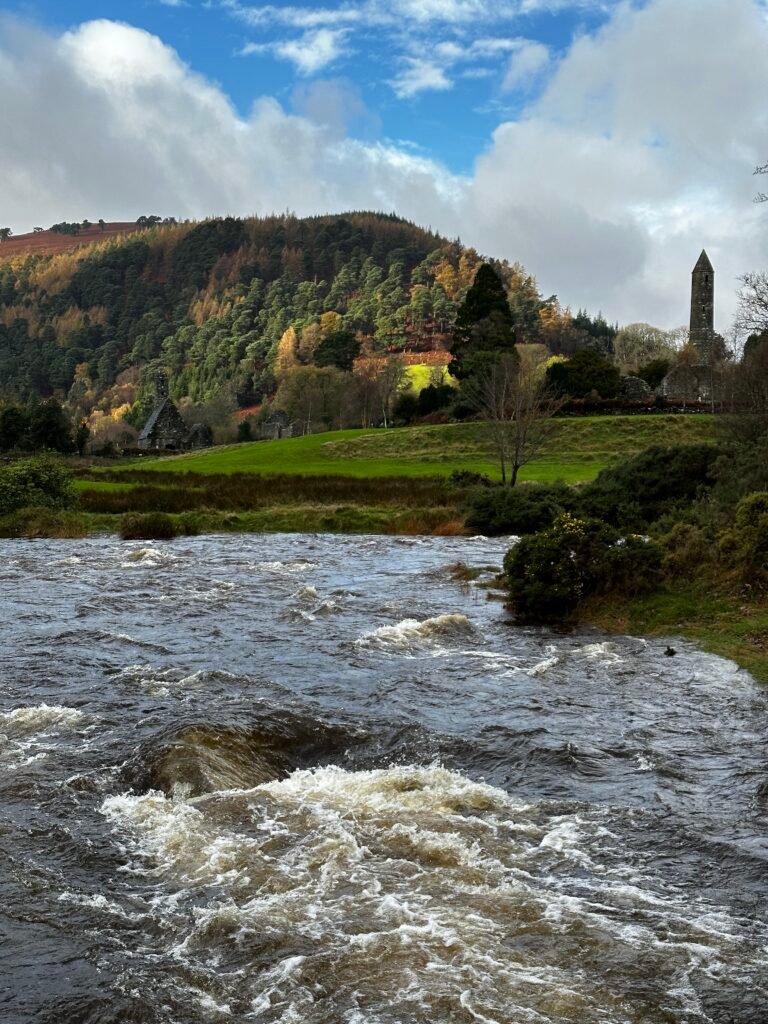
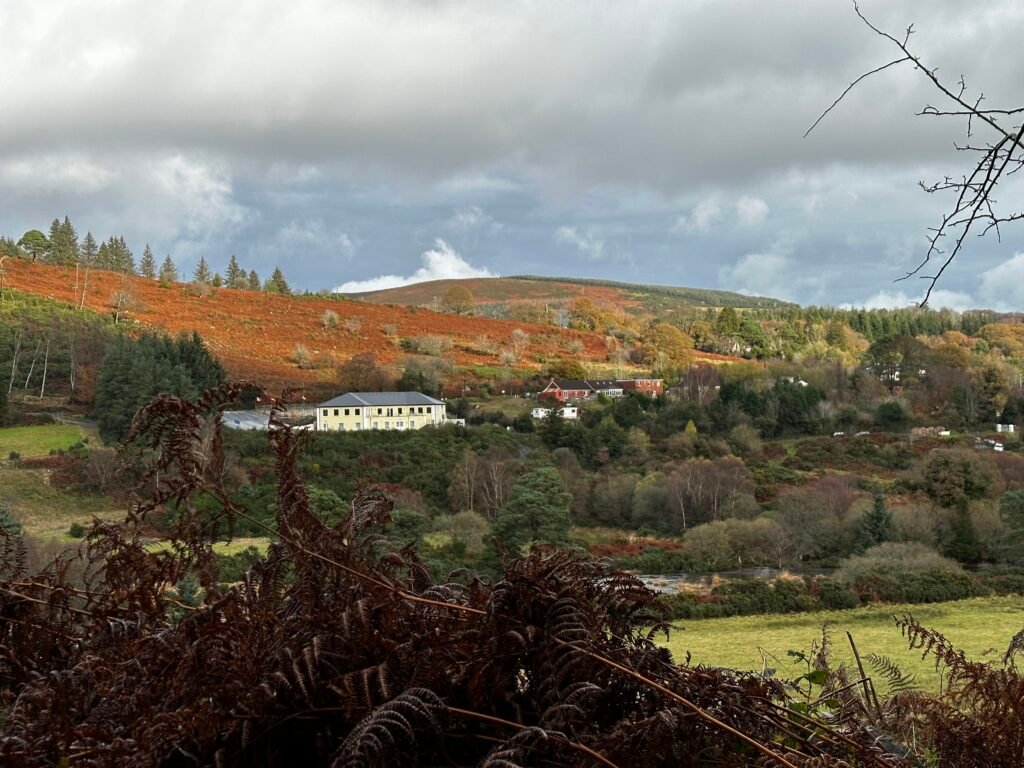
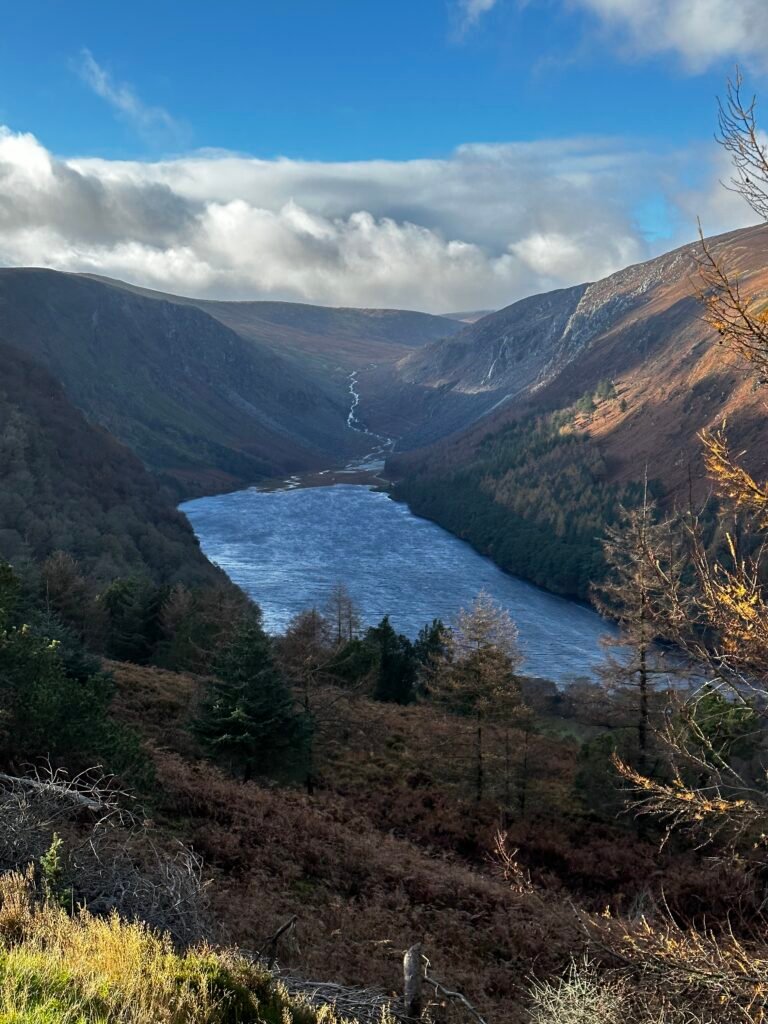
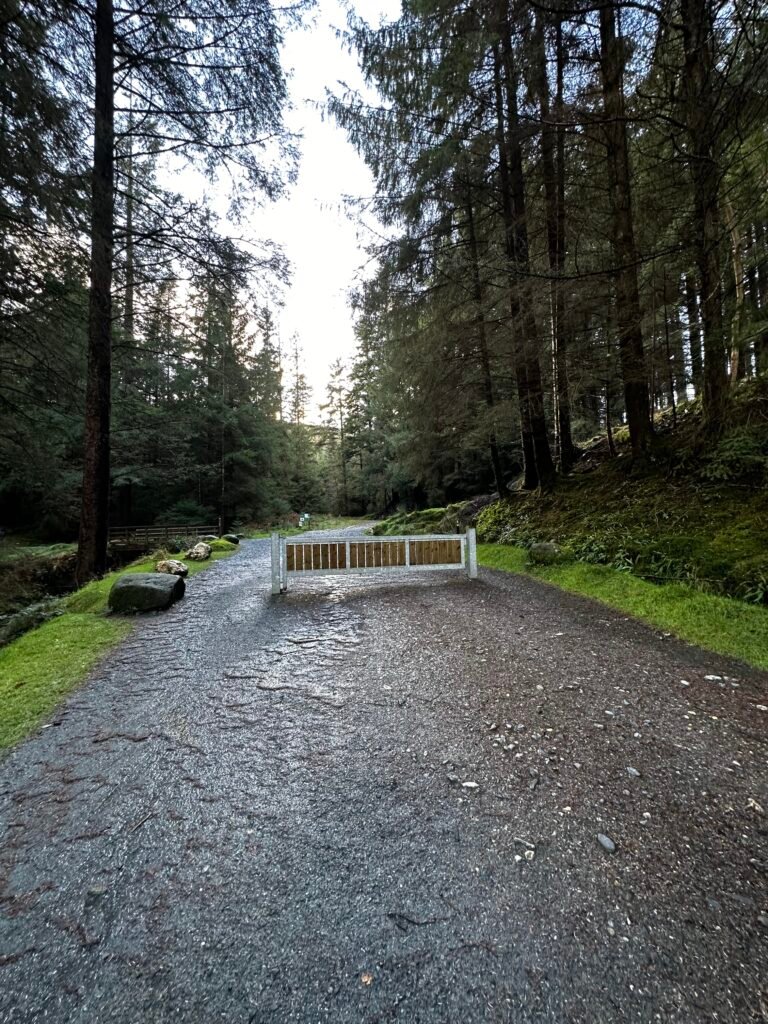
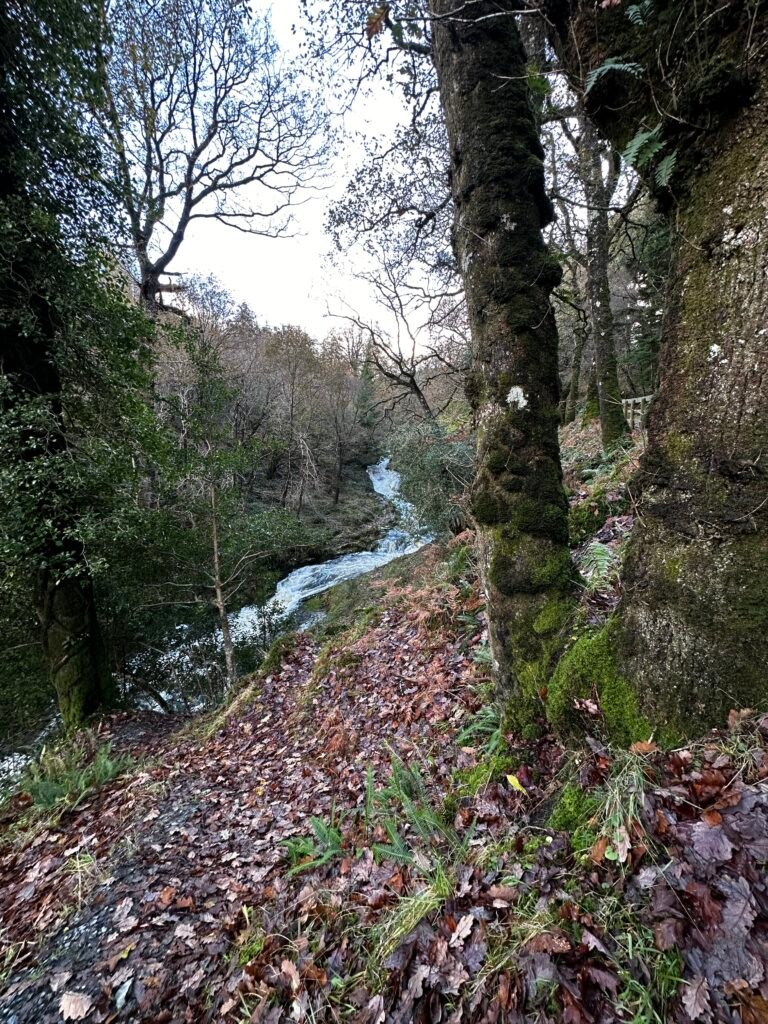
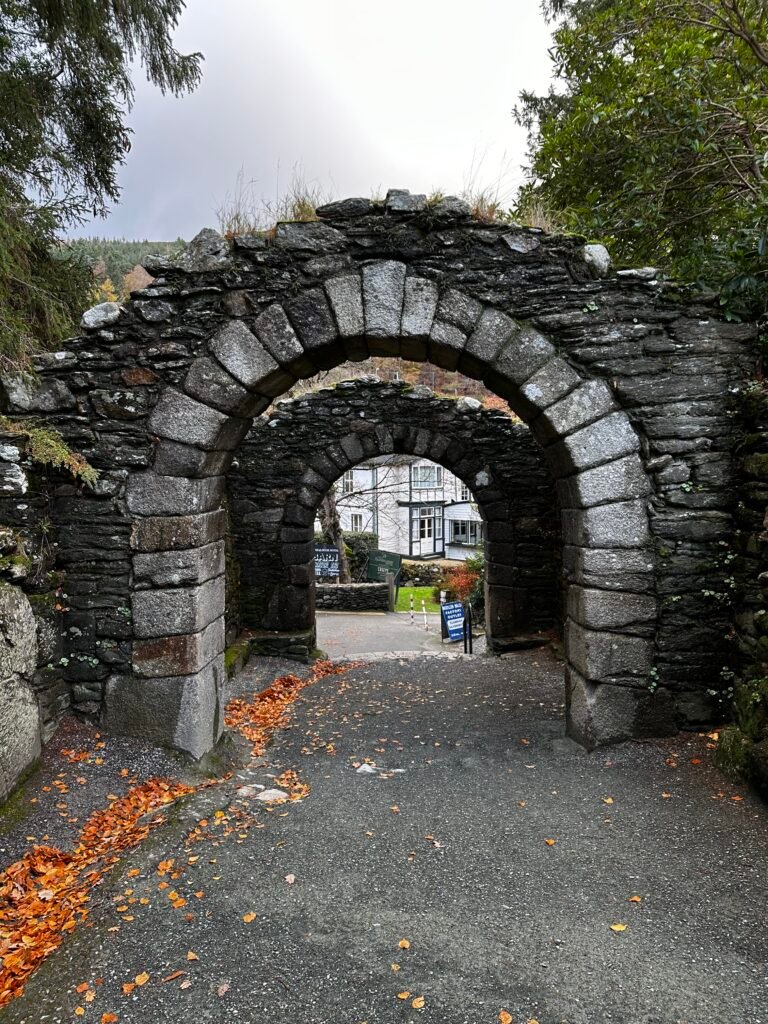
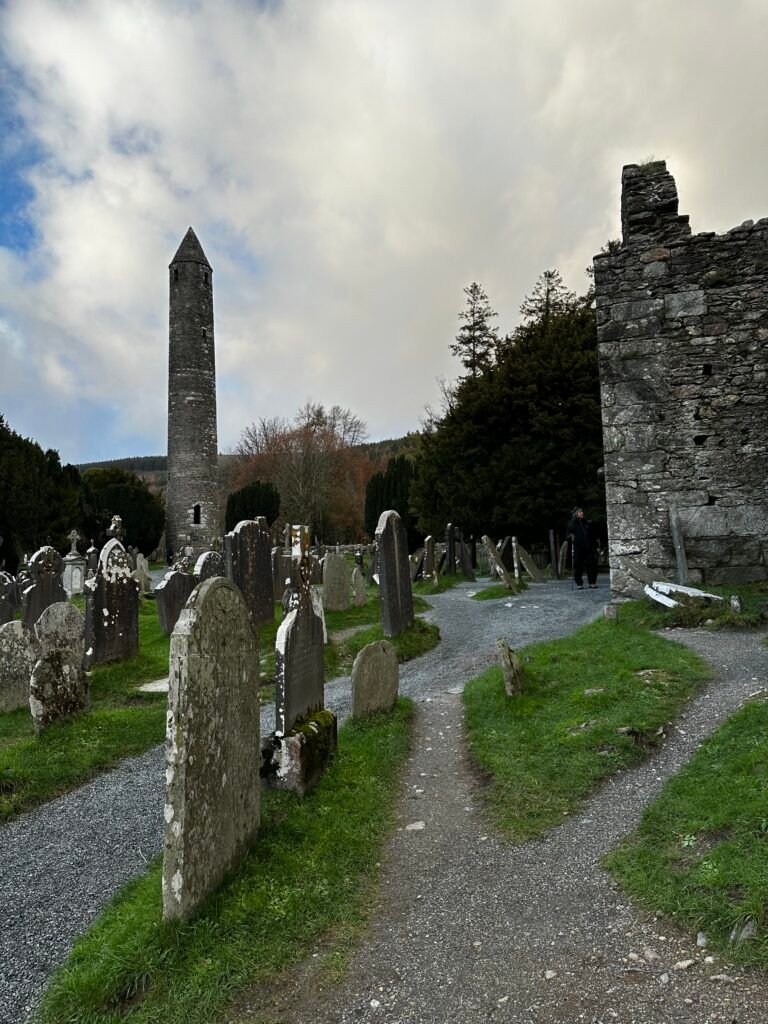
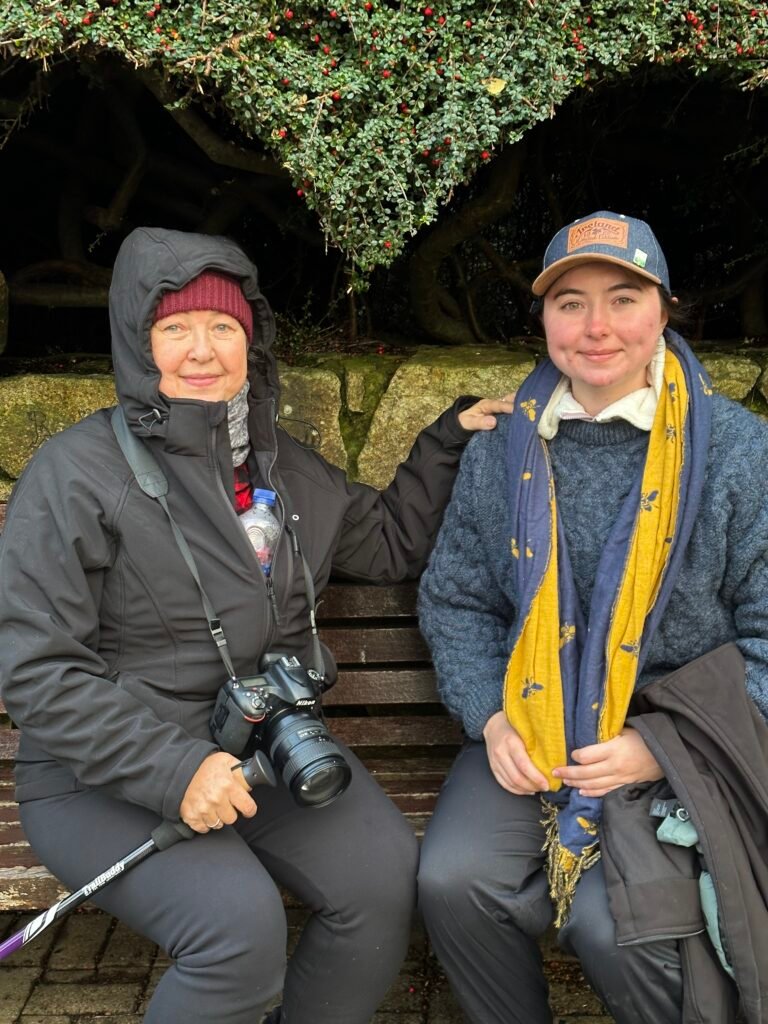
While there, we visited Glendalough, an early medieval monastic settlement founded in the 6th century by St. Kevin. Walking through the ruins, including St. Kevin’s Cell, gave us a look into Ireland’s early Christian history. The stone buildings, round tower, and cemetery sitting against the backdrop of the mountains made it feel peaceful but powerful at the same time — nature and history layered together in one place.
#6 St Patrick’s Cathedral
St Patrick’s Close, Dublin, D08 H6X3, Ireland
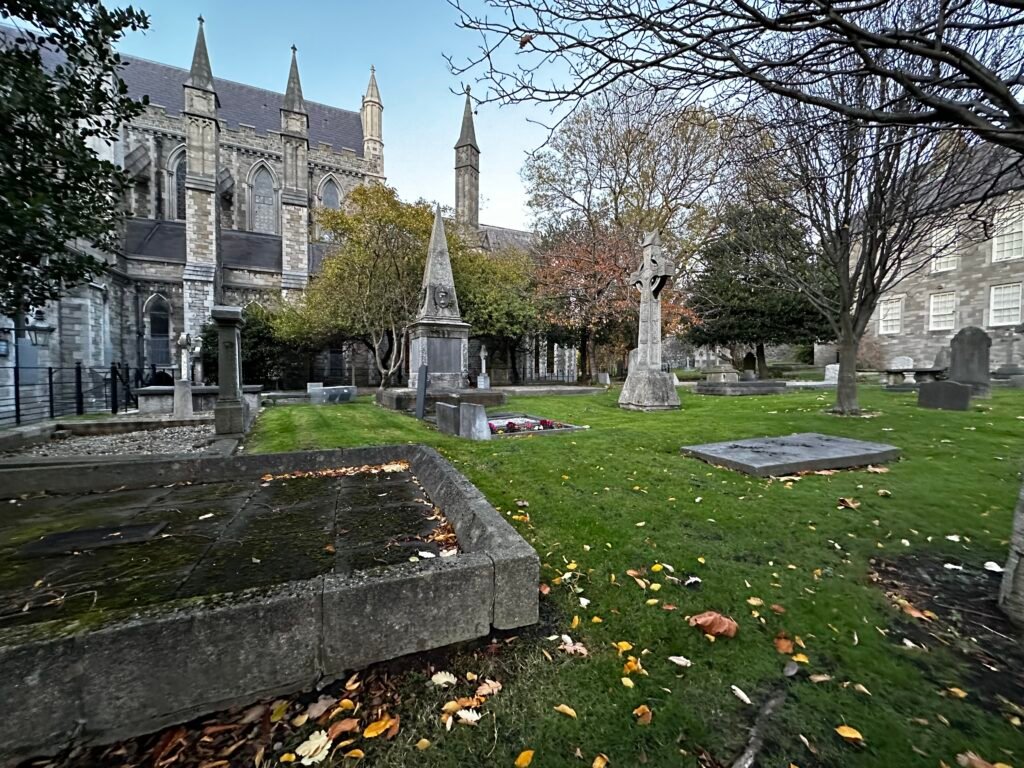
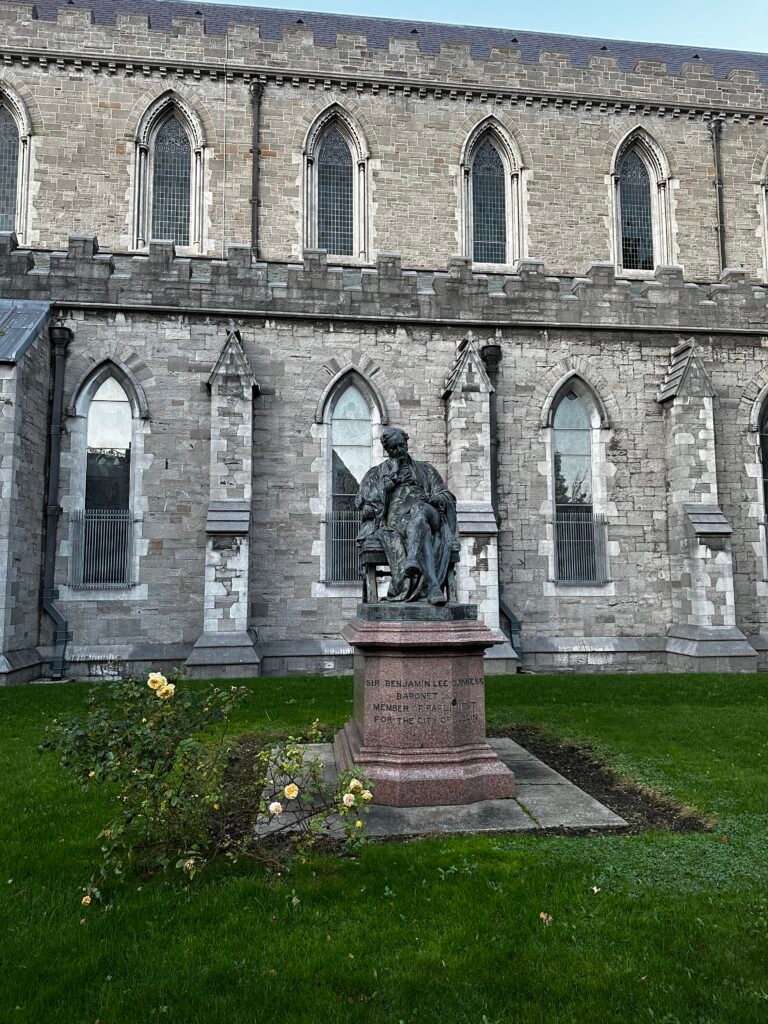
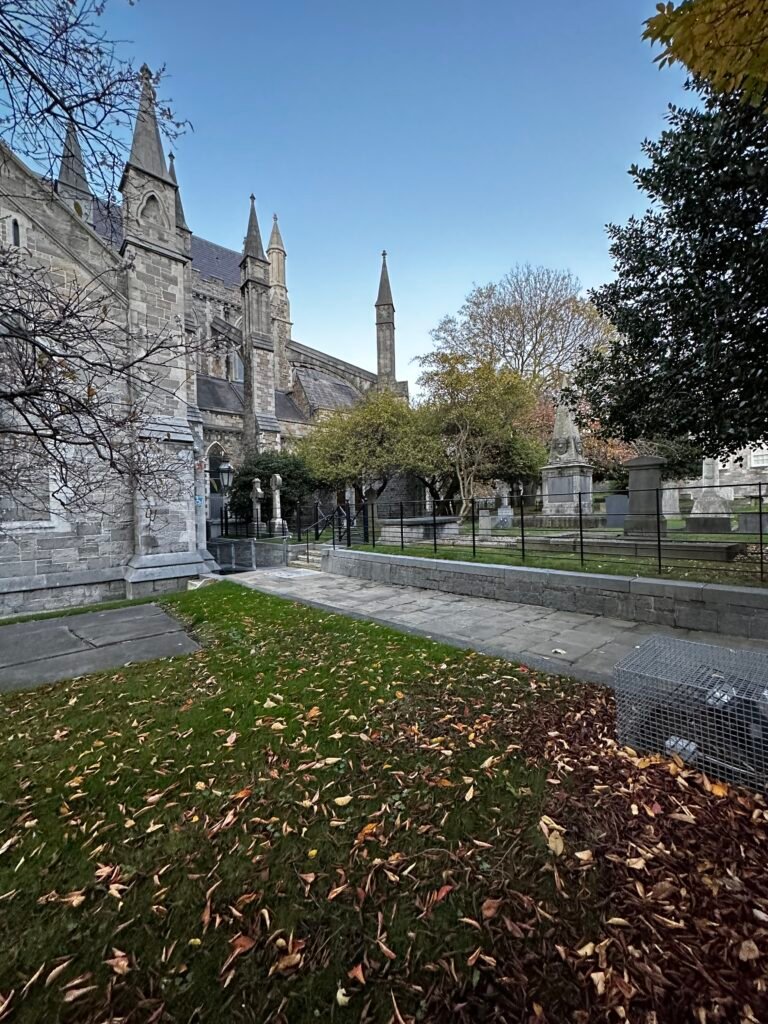
Image shows St. Patrick Cathedral’s exterior
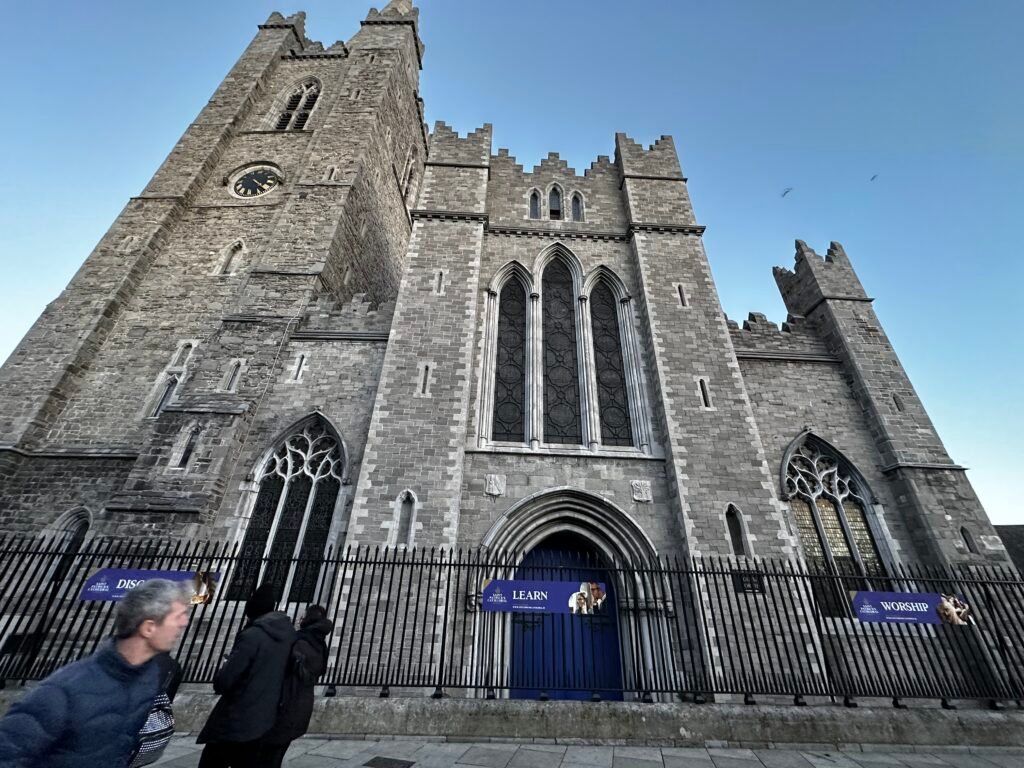
We visited St Patrick’s Cathedral, founded in 1191 on a site traditionally linked to St. Patrick himself. Although the cathedral was closed, the exterior still reflects its medieval origins, with the current stone structure largely dating from the 13th century and later restorations in the 1800s. The surrounding graveyard is one of the oldest burial grounds in Dublin, with weathered headstones that clearly show centuries of use and give a tangible sense of the city’s age.
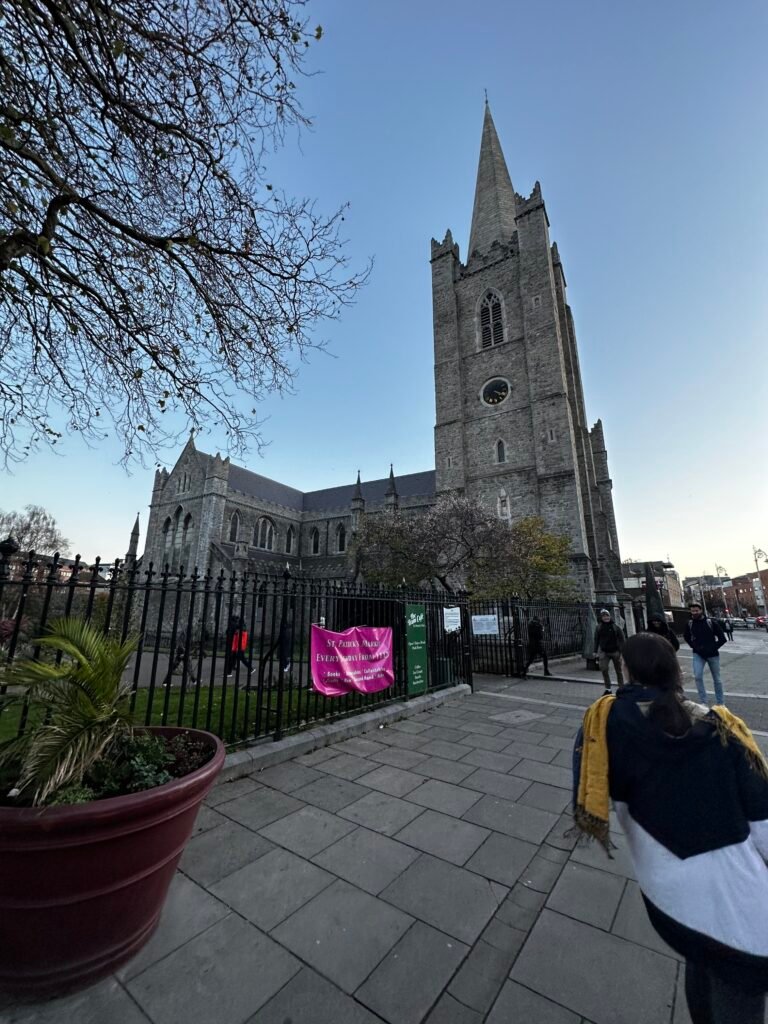
Many prominent figures are buried on the grounds, reflecting the cathedral’s long role as a center of civic and religious life. Among them is Benjamin Guinness, a major figure in Dublin’s industrial history who expanded the Guinness brewery into an international enterprise and funded significant restoration work on the cathedral during the 19th century. Inside the cathedral, which we were unable to see on this visit, are important historical artifacts and documents preserved on parchment, including medieval records connected to the church’s governance and history. It is one of the main reasons we plan to return, as these interior details add further depth to the cathedral’s role in Ireland’s religious, social, and economic past.
#5 Kylemore Abbey & Victorian Walled Garden
Pollacappul, Co. Galway, Ireland
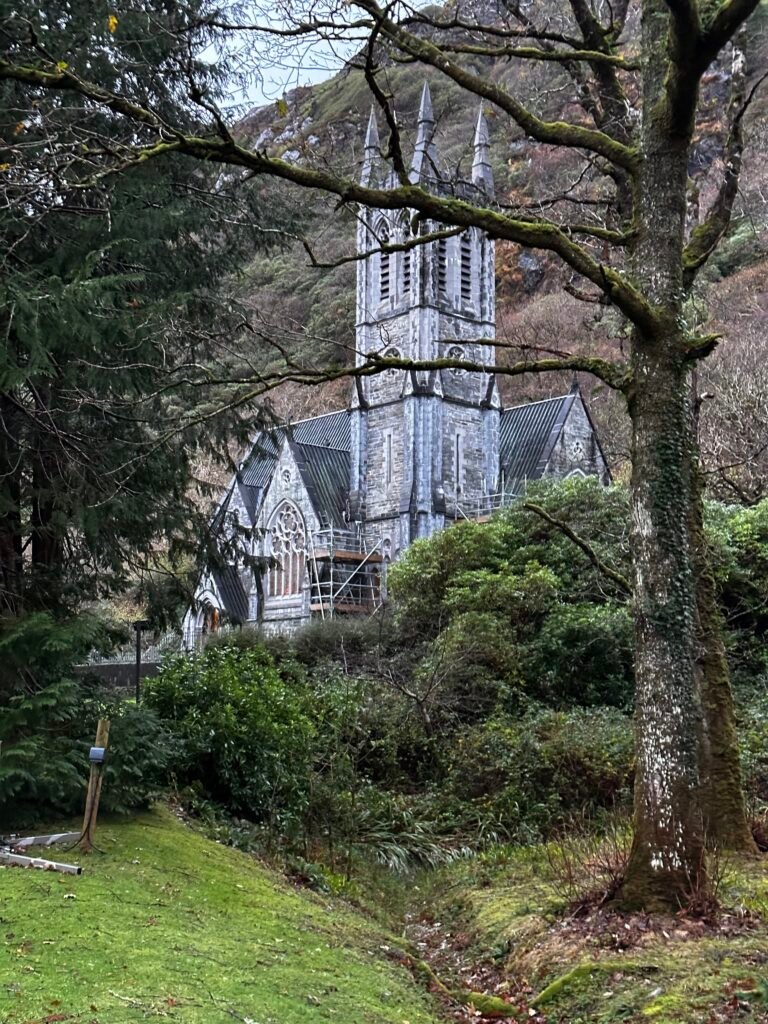
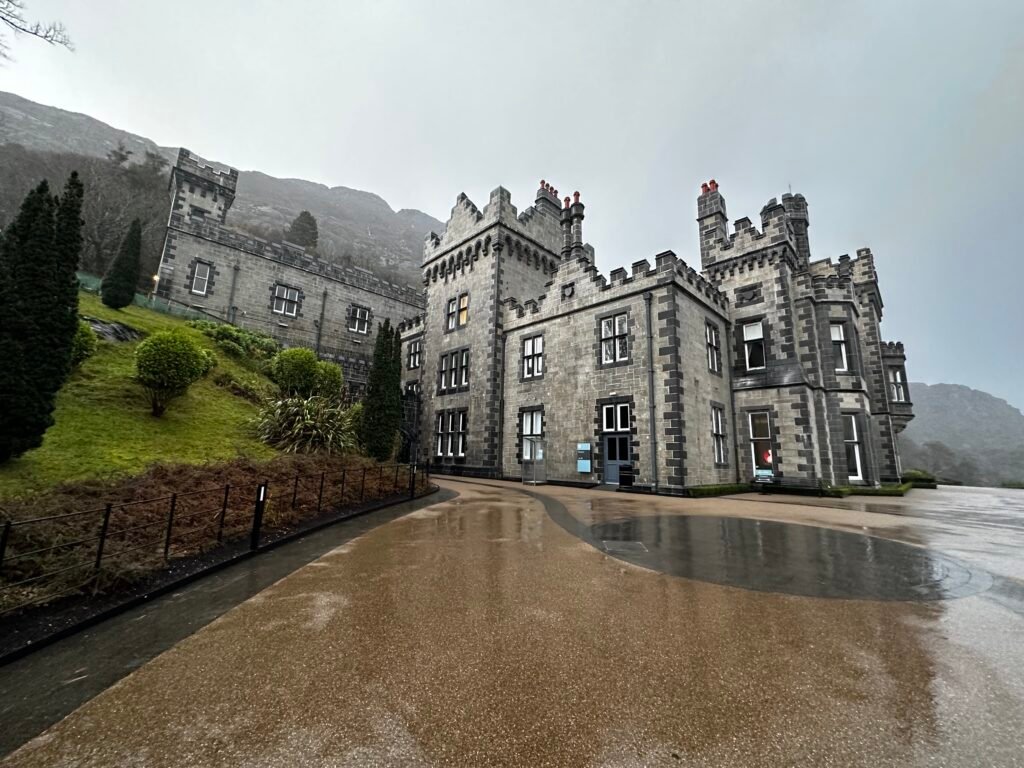
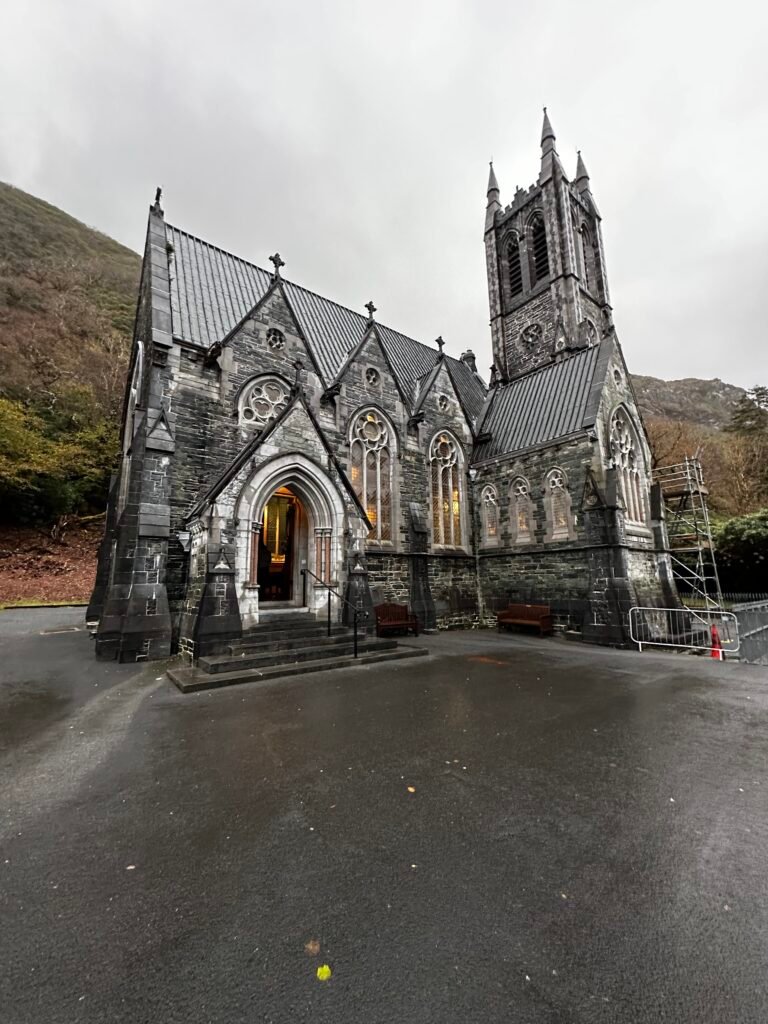
Image shows Kylemore Neo-Gothic Church
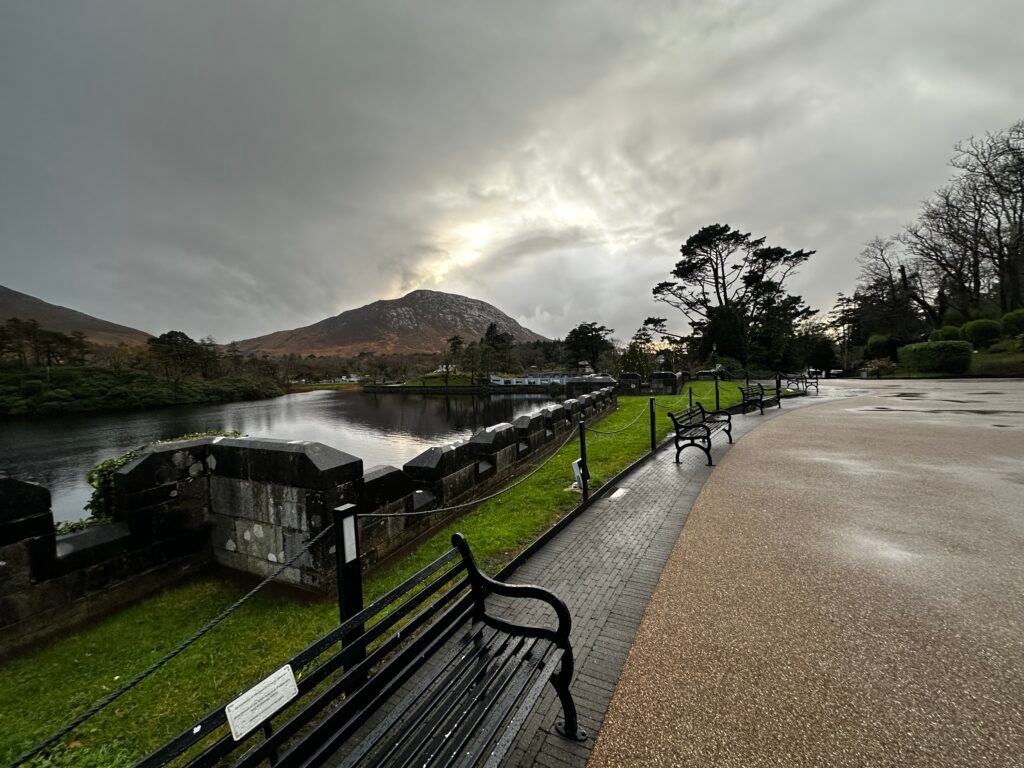
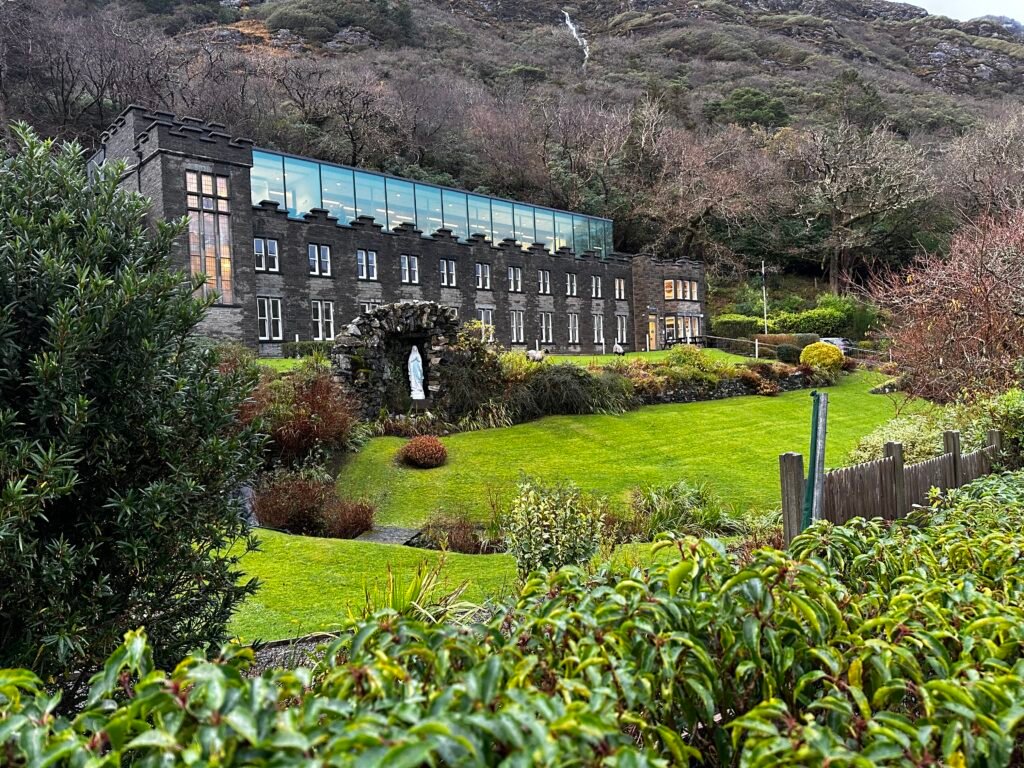
Kylemore Abbey is a former Benedictine abbey and historic estate set at the base of a mountain ridge in Connemara. The steep backdrop creates a strong sense of depth, almost like a layered Disney-style landscape, where the scenery feels unreal despite being entirely natural. When we visited in November, the interior was decorated for Christmas, highlighting how the abbey has been preserved and adapted for modern visitors while still sitting within one of the most dramatic natural settings in western Ireland.
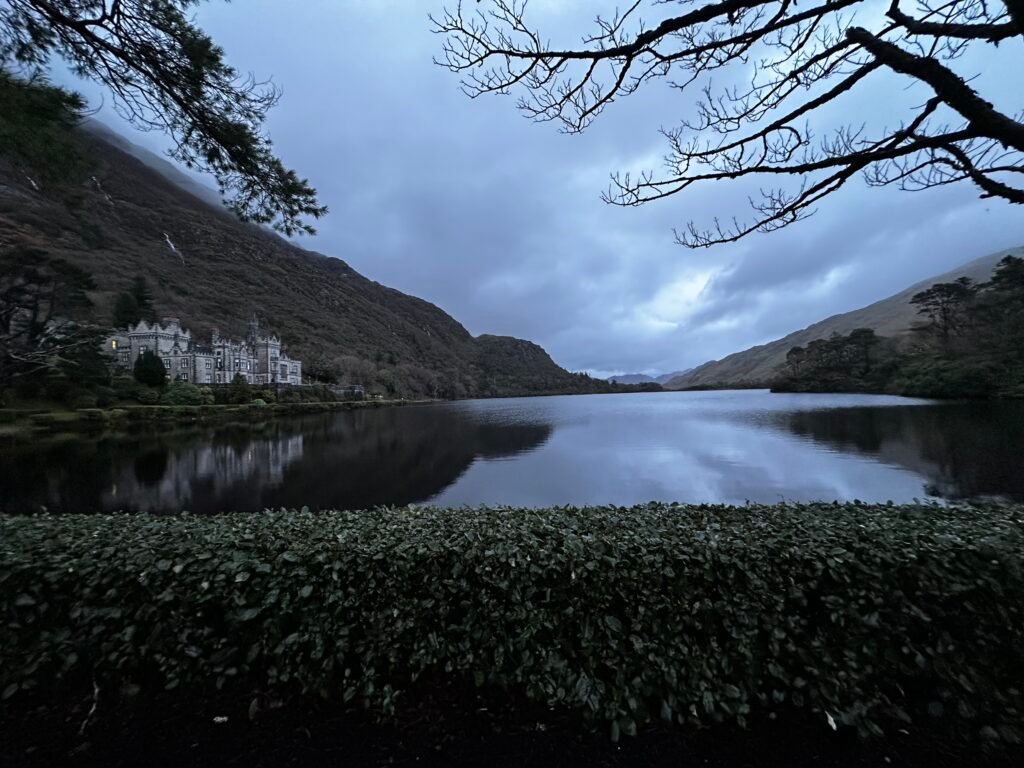
Kylemore Abbey was built in 1868 as a Neo-Gothic castle by Mitchell Henry, who intended it as a private residence for his family in Connemara, County Galway. In 1920, the estate was acquired by Benedictine nuns who relocated from Ypres, Belgium, after their abbey was destroyed during World War I, officially transforming the property into a religious abbey. The community later established an international boarding school, which operated until 2010. Today, the main estate is a public heritage site and museum, while still serving as home to a small Benedictine community, with visitors able to walk through restored rooms of the abbey.
The estate also includes a Victorian Walled Garden, originally developed in the late 19th century to supply food and flowers for the household. The garden features enclosed stone walls, formal flower beds, glasshouses, and kitchen garden areas. After falling into decline, it underwent significant restoration beginning in the 1990s and is now one of the most recognized historic gardens in Ireland. Access to the garden is seasonal, and it may be closed during winter months, which is why we were unable to visit during our trip.
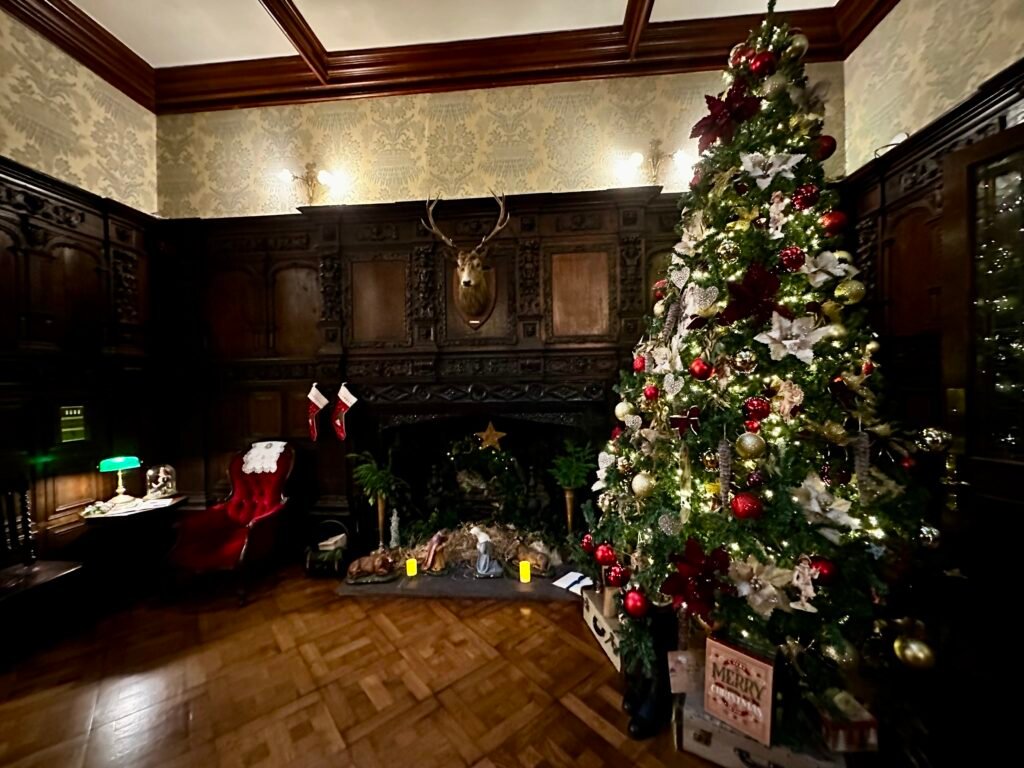
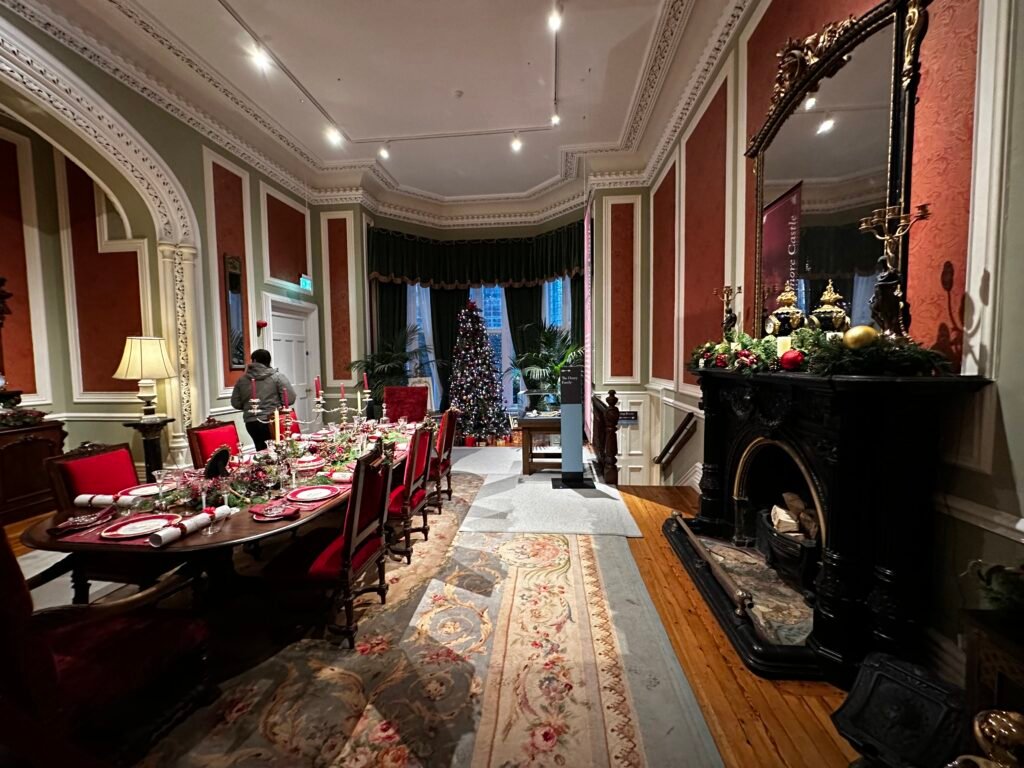
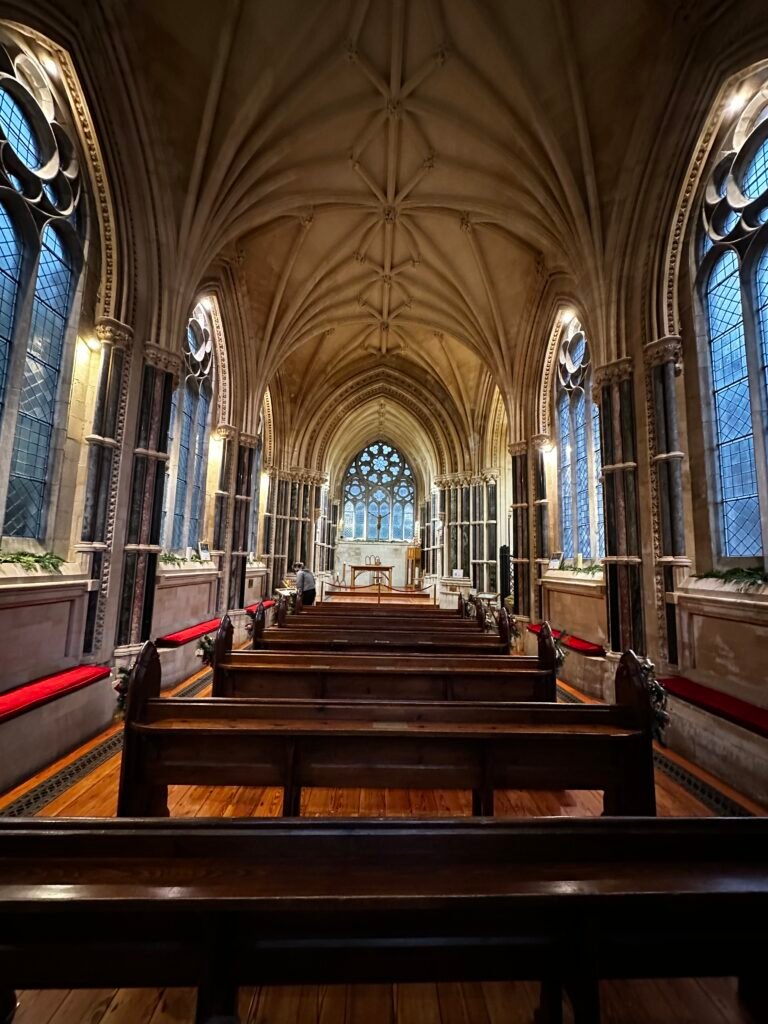
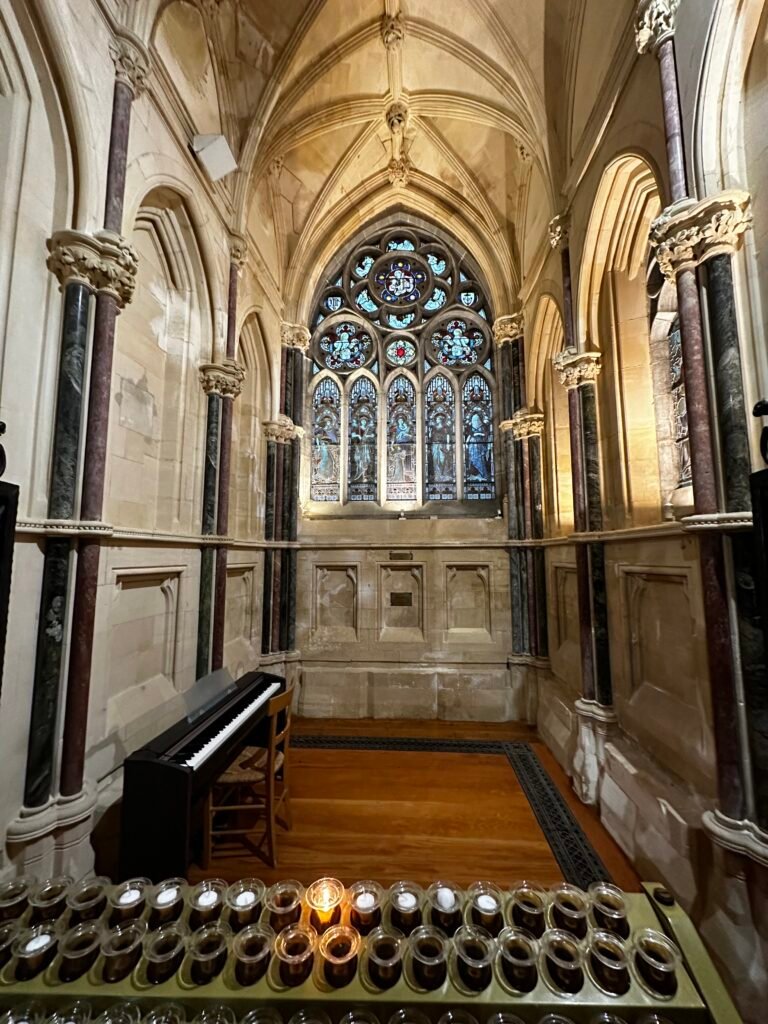
A Neo-Gothic church, completed in 1879, was constructed on the grounds in memory of Margaret Henry, the wife of Mitchell Henry. Designed in the Gothic Revival style, the church features detailed stonework, pointed arches, and an intimate interior. Inside, the stained glass windows and carved details incorporate shamrock motifs, a subtle nod to Irish symbolism, adding another layer of meaning to the craftsmanship and making the church one of the most distinctive structures on the Kylemore estate.
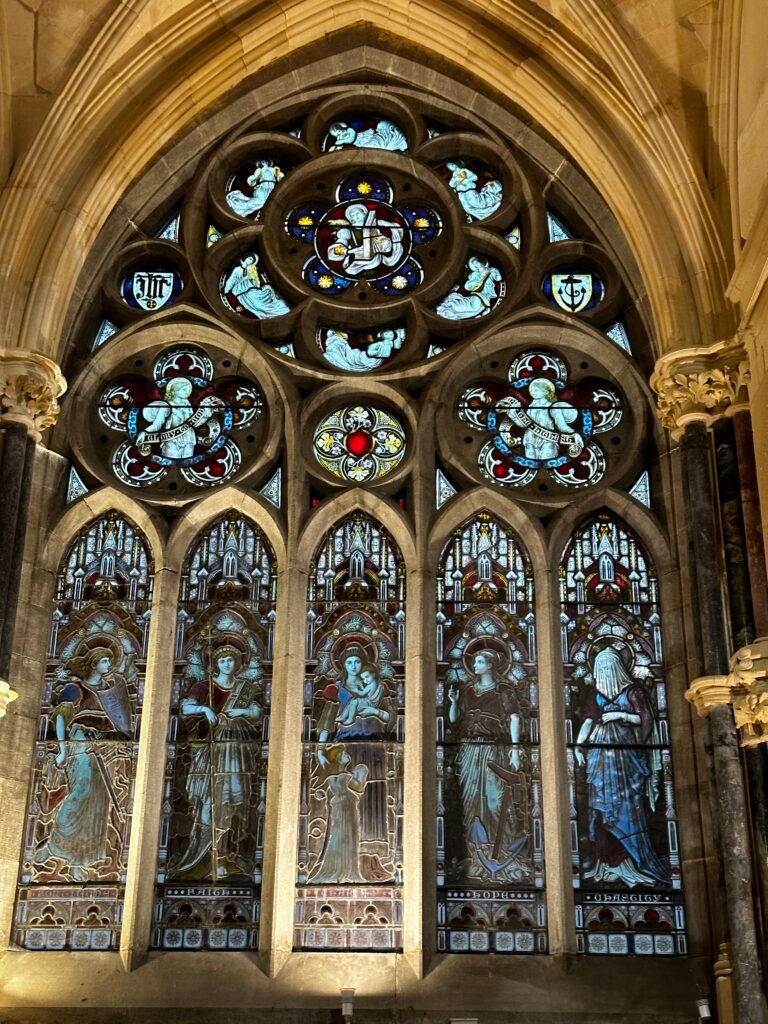
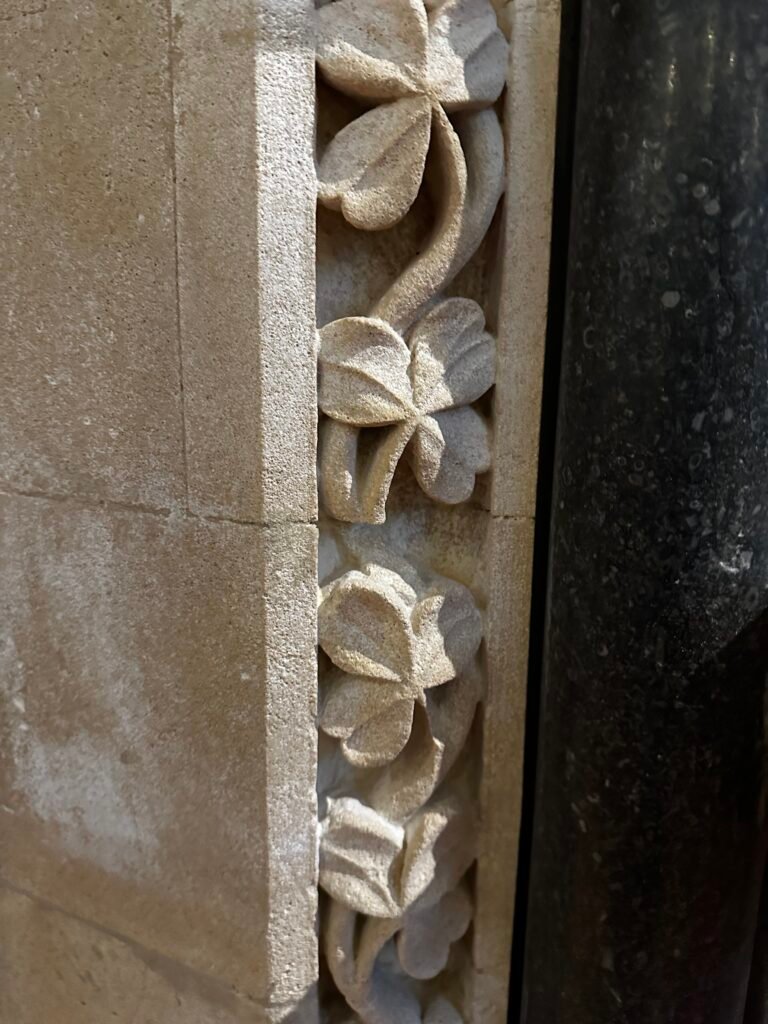
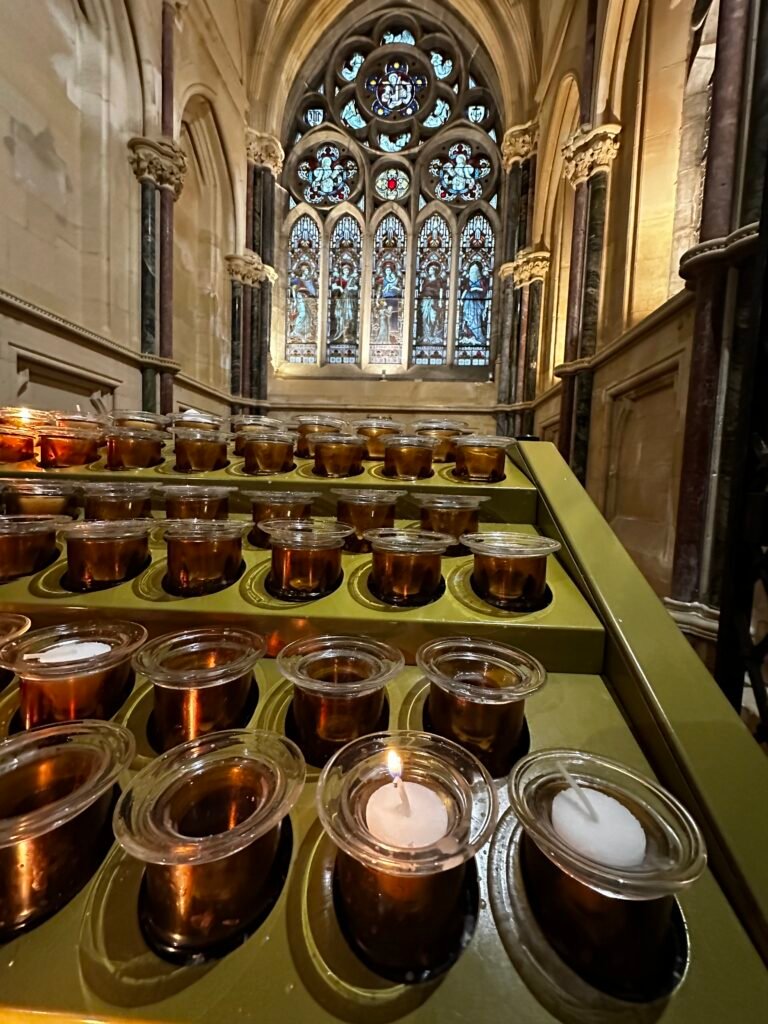
Several streams run through the grounds of Kylemore Abbey, flowing alongside the walking paths and through the estate. The sound of the water adds to the atmosphere, making the walk through the grounds feel especially quiet and relaxing.
#4 Muckross Abbey
Muckross, Co. Kerry, Ireland
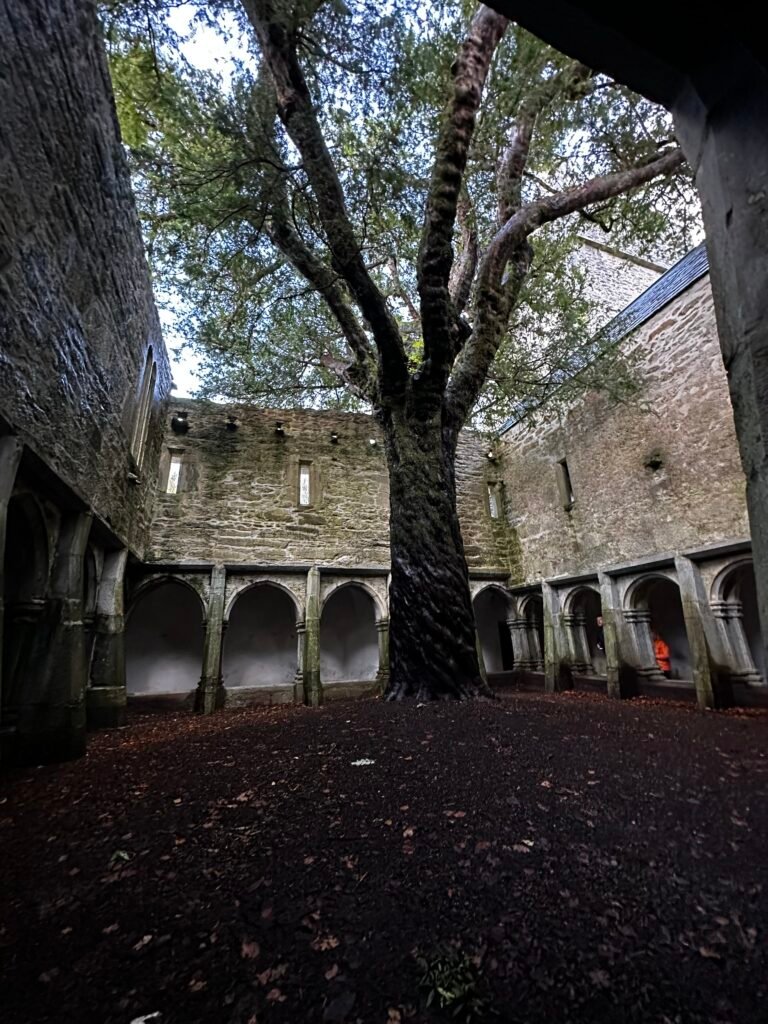
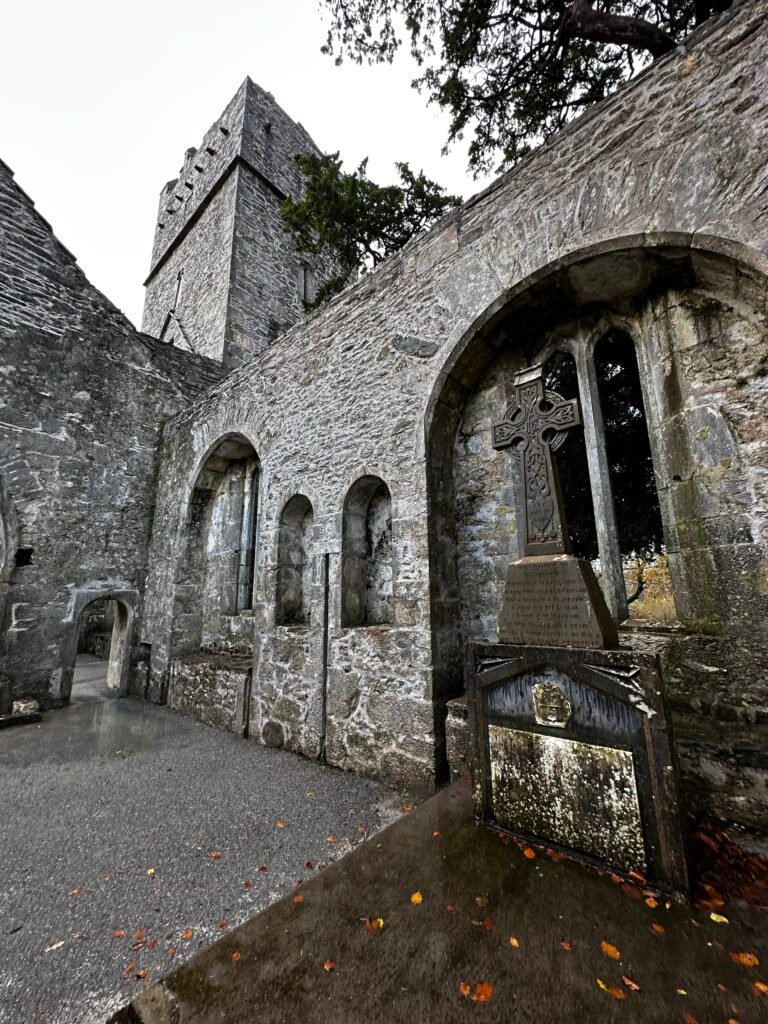
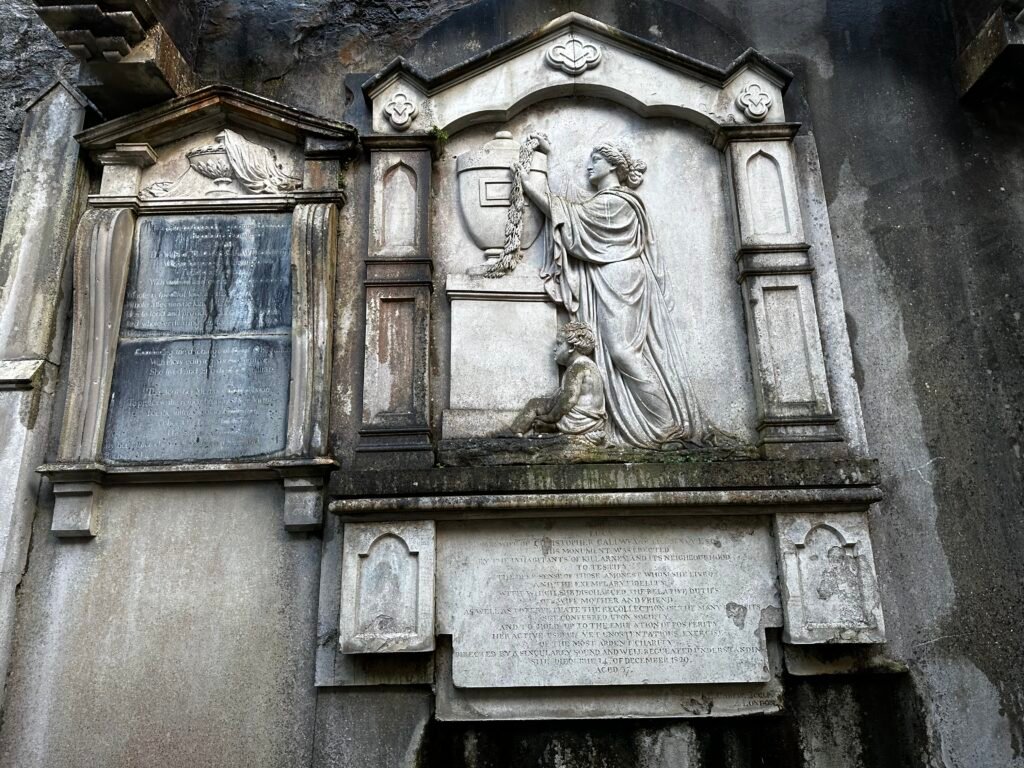
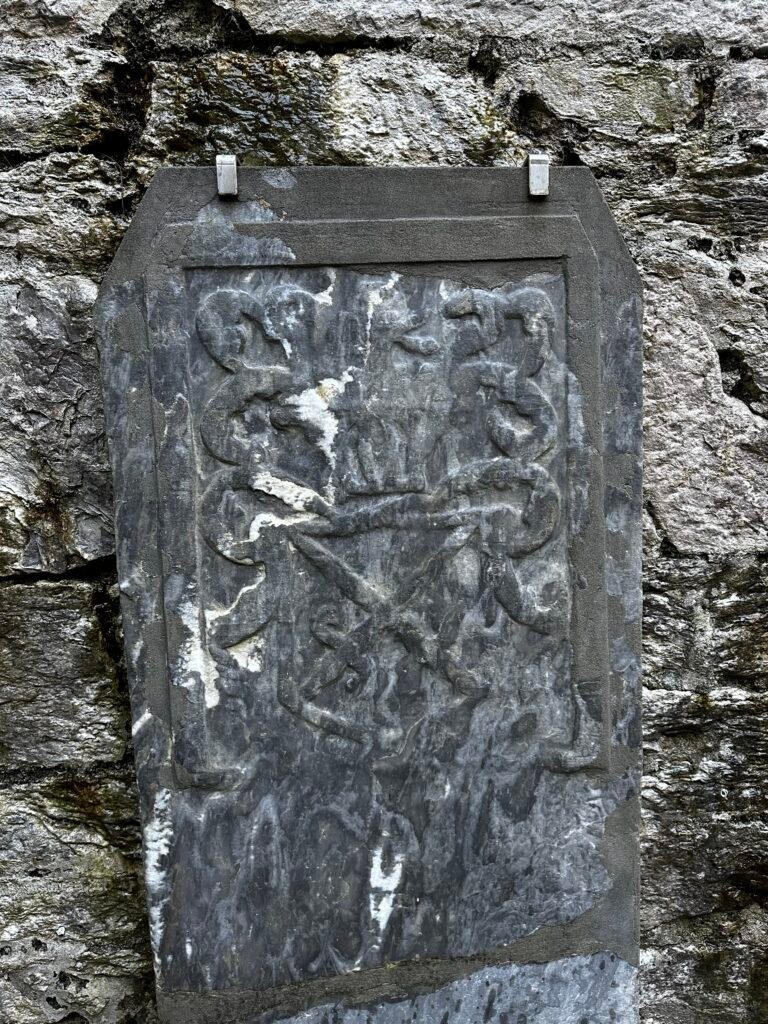
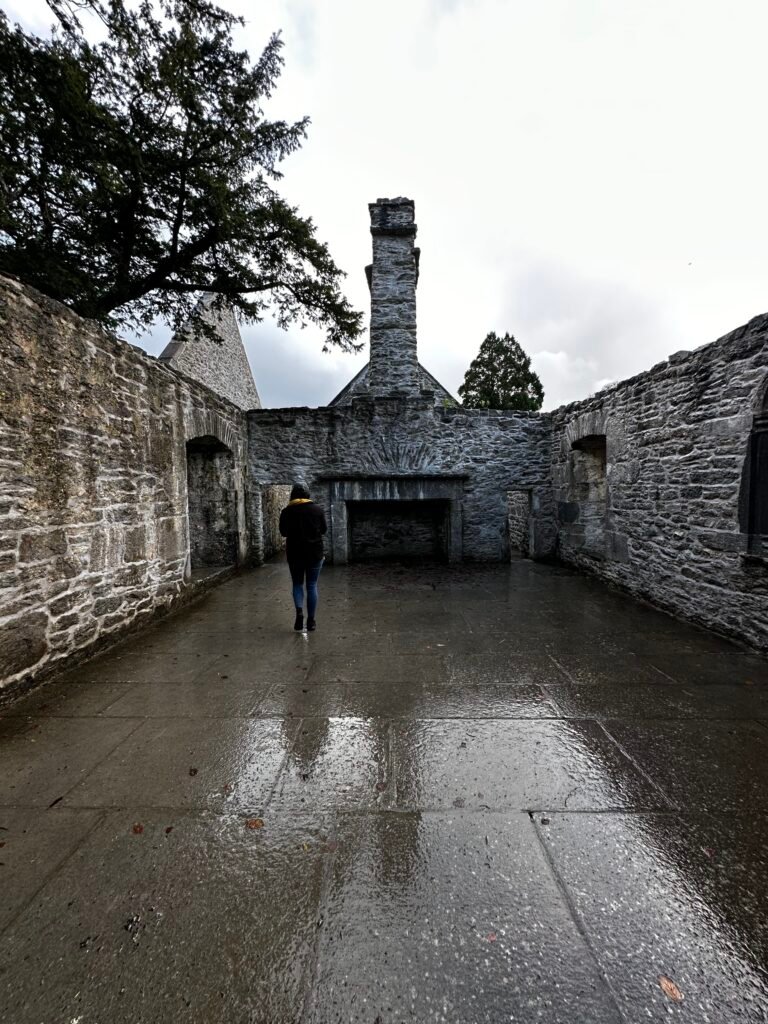
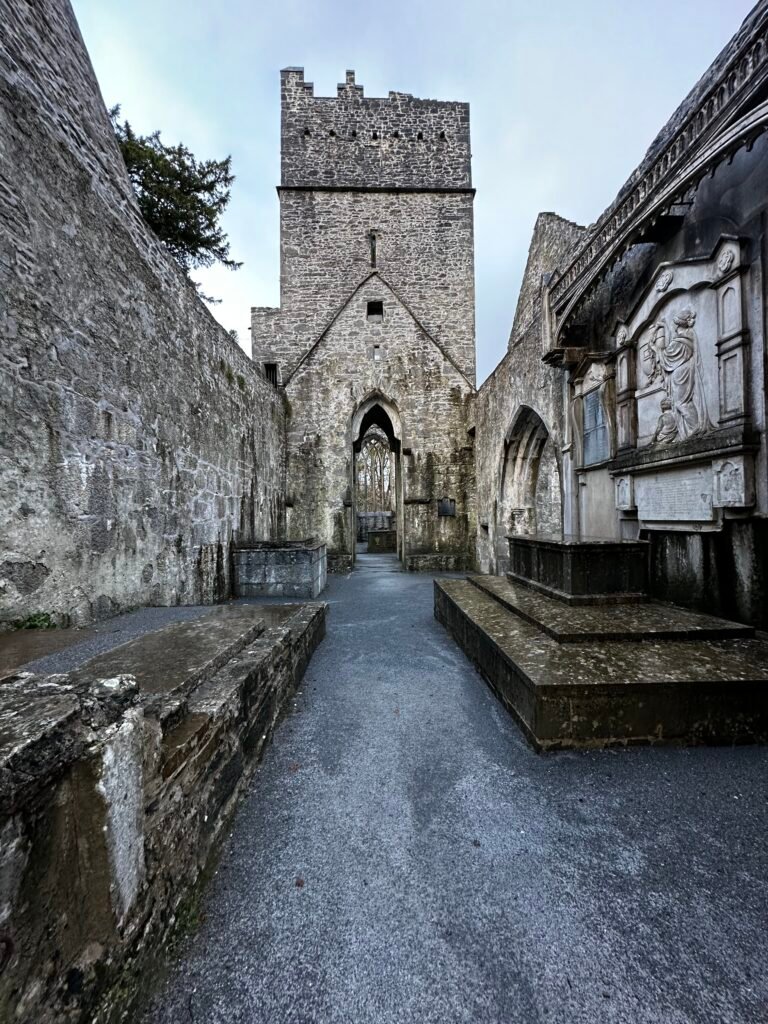
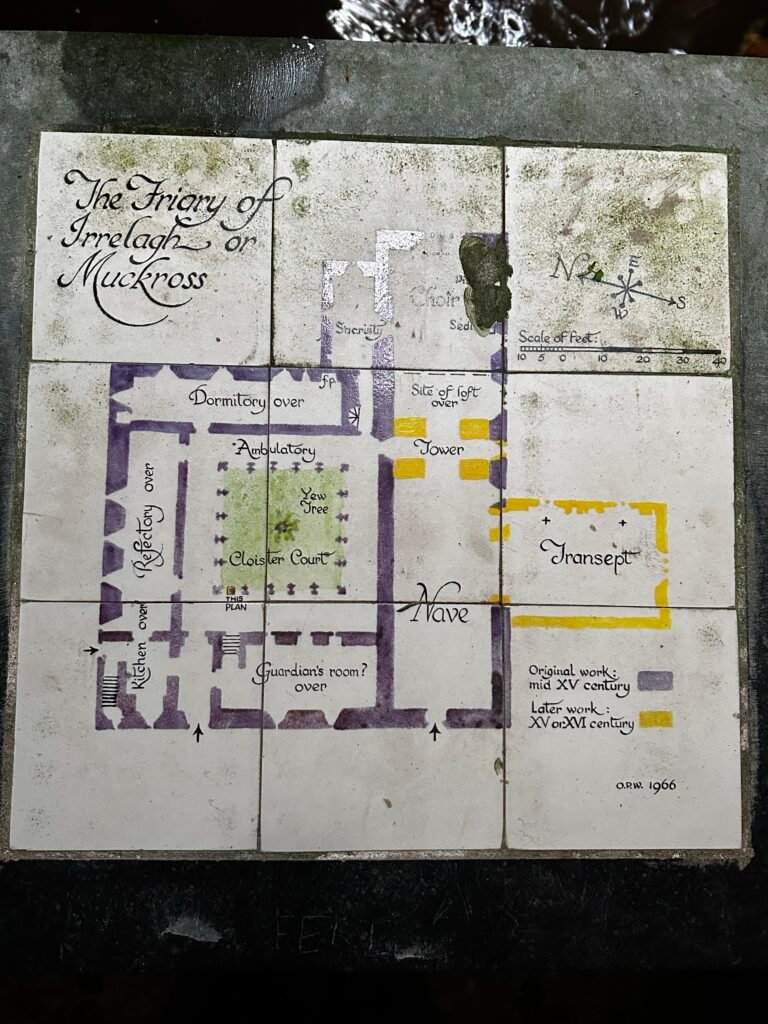
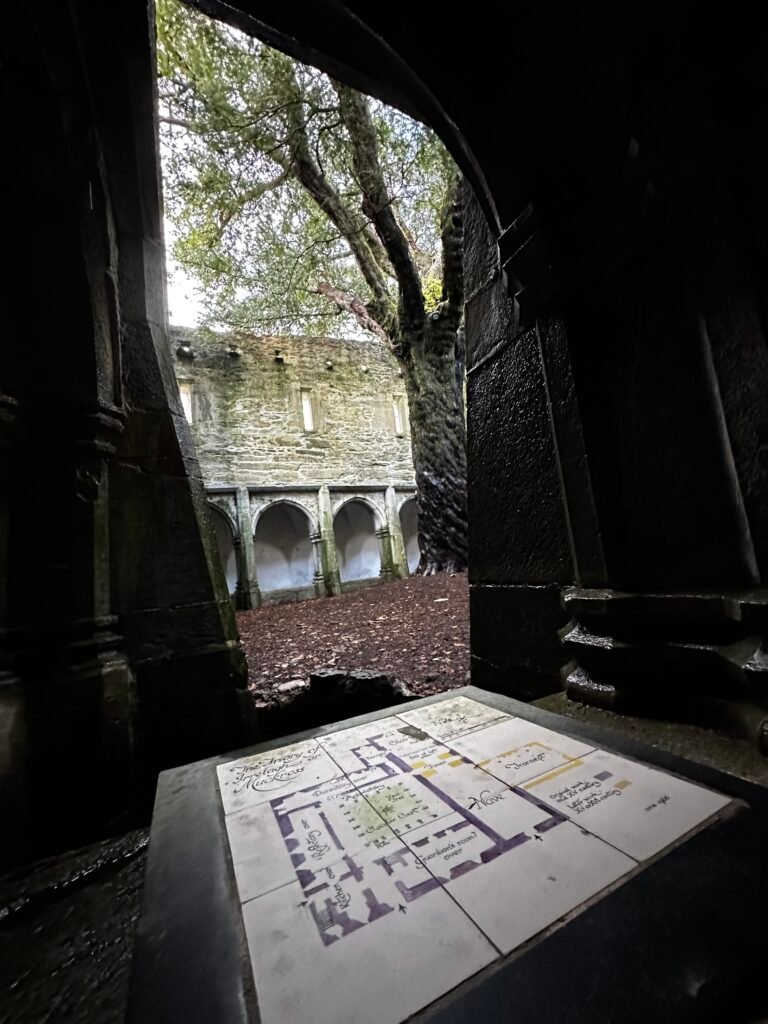
Muckross Abbey was a stop we made after my parents recommended it, having visited it themselves in the past. Founded in 1448 as a Franciscan friary, the abbey is one of the best-preserved medieval religious ruins in Ireland. At the center of the open cloister stands an ancient yew tree, estimated to be over 600 years old, growing from the original courtyard. Its trunk is so aged and dense that it almost appears stone-like, blending naturally with the surrounding masonry. On-site displays include layout diagrams and reconstructed plans that show how the abbey was originally arranged and used. The structure features distinctive Gothic elements, including pointed (arrowhead) arches and a multi-level layout that highlights medieval monastic design.
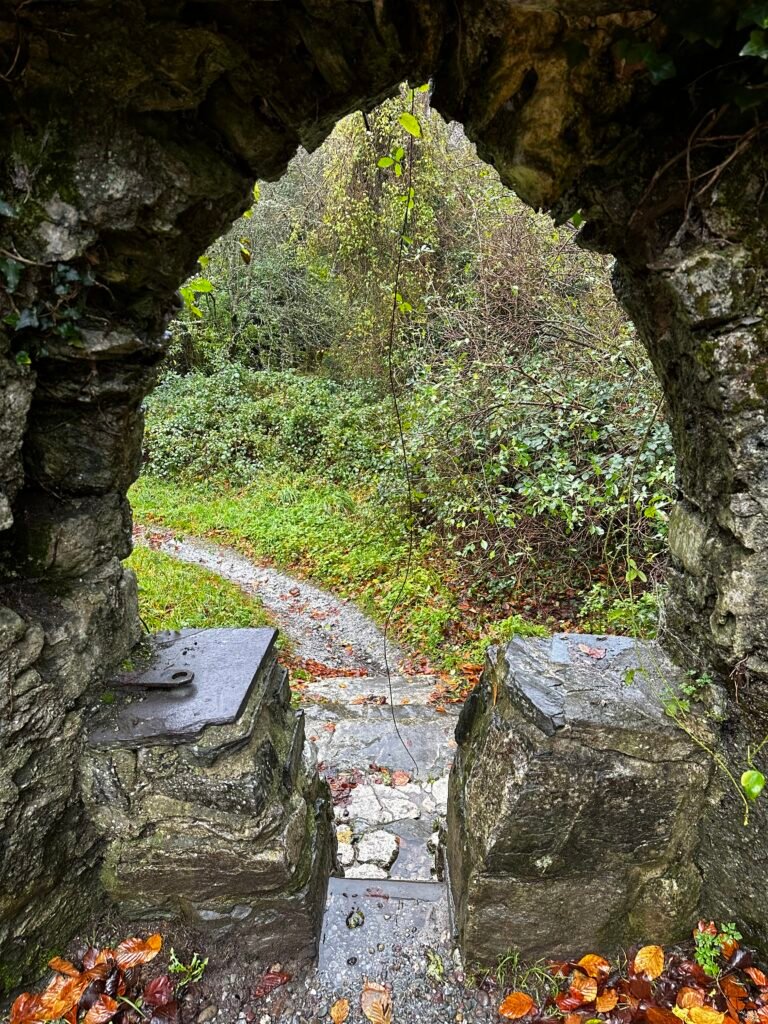
Walking through the ruins feels immersive and almost storybook-like, and the surrounding area offers numerous additional activities within Killarney National Park, from walking trails to nearby historic sites.
#3 Cliff’s of Moher
Co. Clare, Ireland
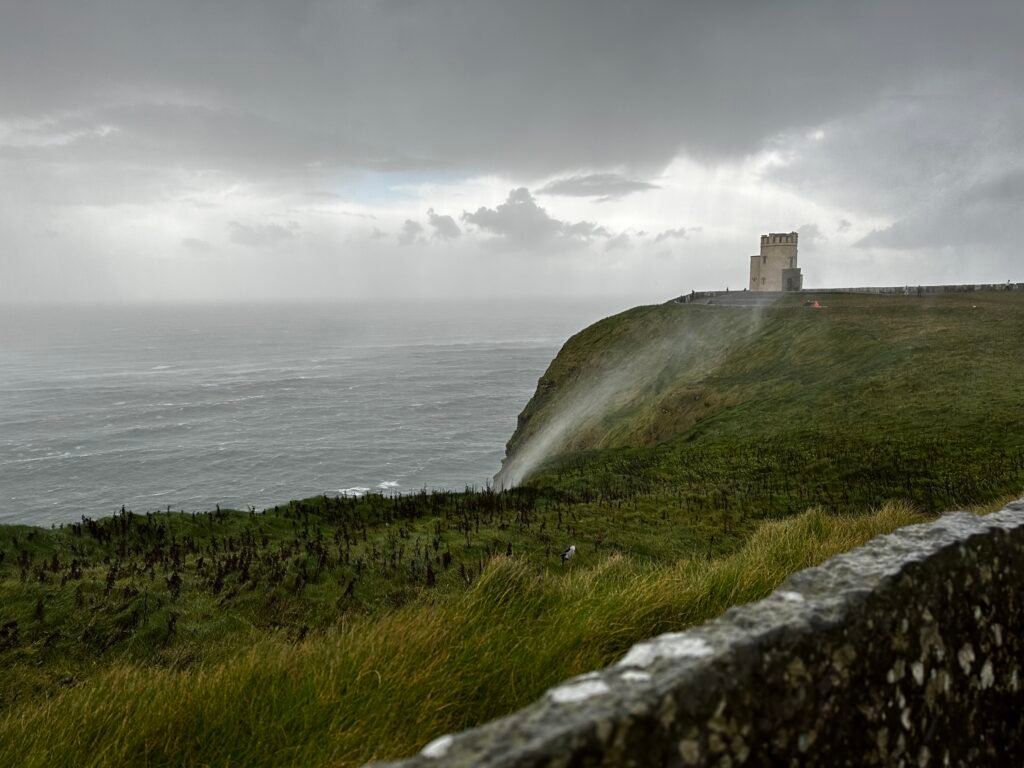
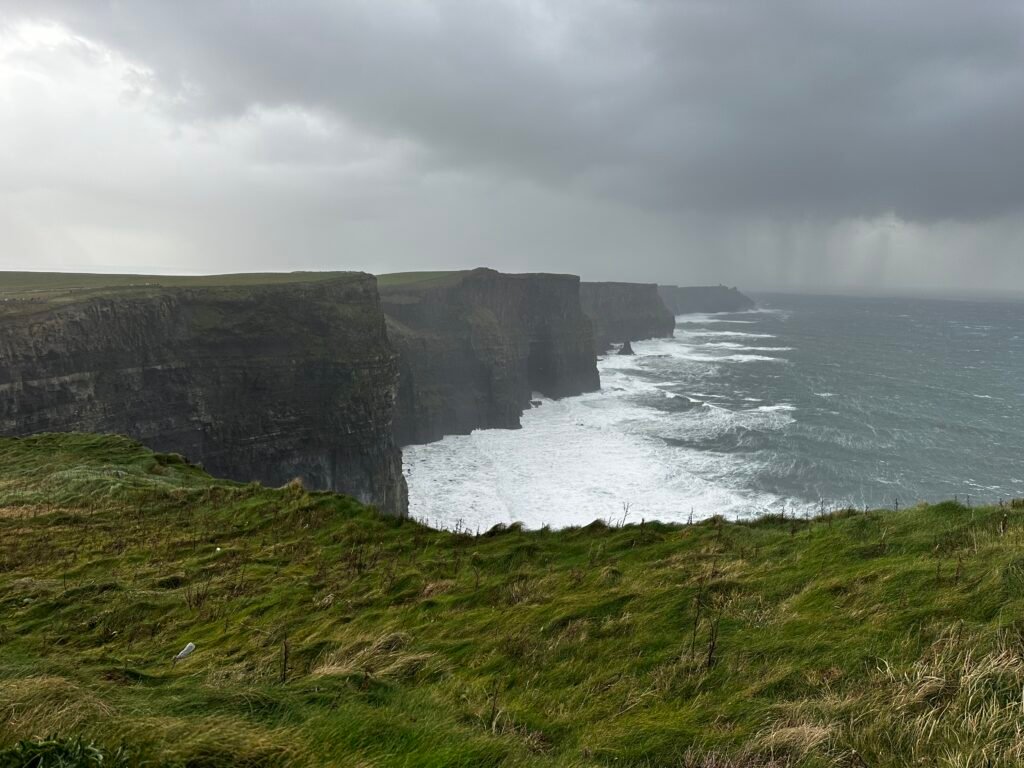
Cliffs of Moher rise dramatically along Ireland’s western coastline, reaching heights of up to 214 meters (702 feet) and stretching for about 14 kilometers (8.7 miles) along the Atlantic Ocean. Formed over 320 million years ago during the Carboniferous period, the cliffs are made primarily of layered shale and sandstone. Standing at the edge, the sound of the Atlantic waves crashing below makes it immediately clear why this site is one of Ireland’s most talked-about natural landmarks.
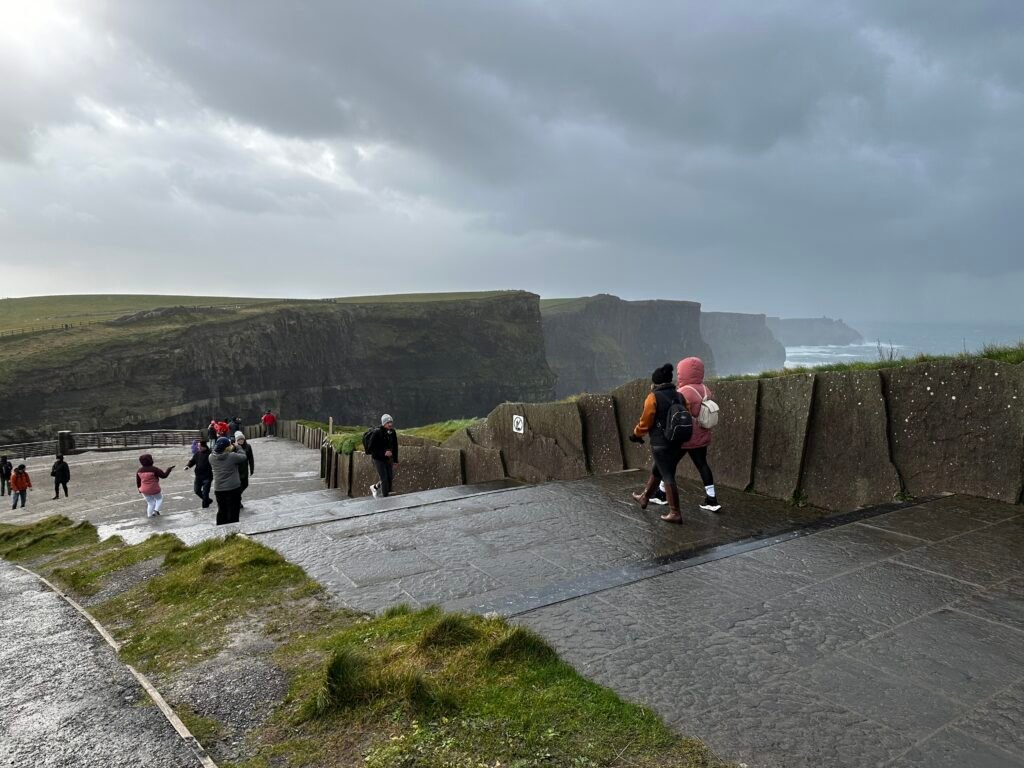
During our visit, strong winds swept up sea foam, sending it swirling into the air and making it look like chimney smoke rising from the cliffs. Conditions quickly turned harsh, with near-freezing temperatures and light hail, a reminder of how exposed and powerful this coastline can be. Despite the weather, the experience felt raw and immersive, showing the cliffs in one of their most dramatic states.
The visitor center, built into the hillside to minimize visual impact, added depth to the visit with exhibits explaining the geology, history, and wildlife of the area, including the cliffs’ famous seasonal residents, Atlantic puffins, which nest here in the spring and summer. While we saw only part of the cliffs this time, their sheer scale makes it clear this is a place worth returning to in better weather to walk more of the coastal paths. The vastness is unmatched, but caution is essential, as the cliffs are unfenced in areas and conditions can change quickly.
#2 Ring of Kerry
Killarney, Co. Kerry, Ireland
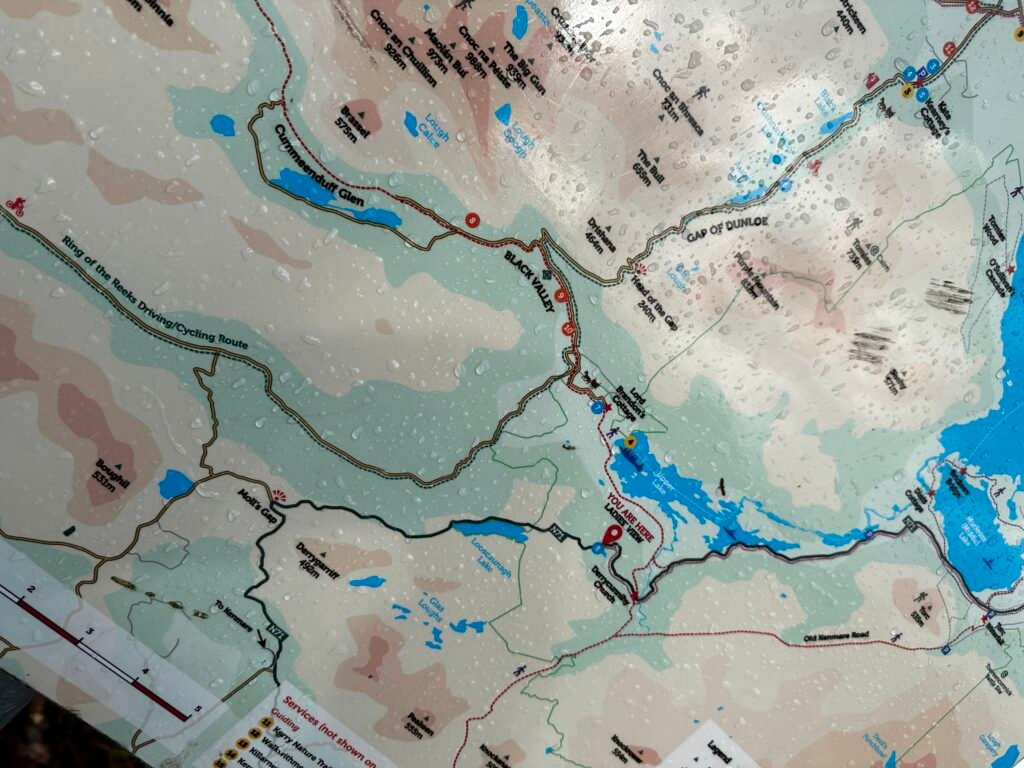
Image shows the map leading up to the Gap of Dunloe
Ring of Kerry is a 179-kilometer (111-mile) scenic route around the Iveragh Peninsula. We were only able to see about one-fifth of the drive, which was enough to show the variety of landscapes and viewpoints along the route and left us wanting to return and complete it in full.
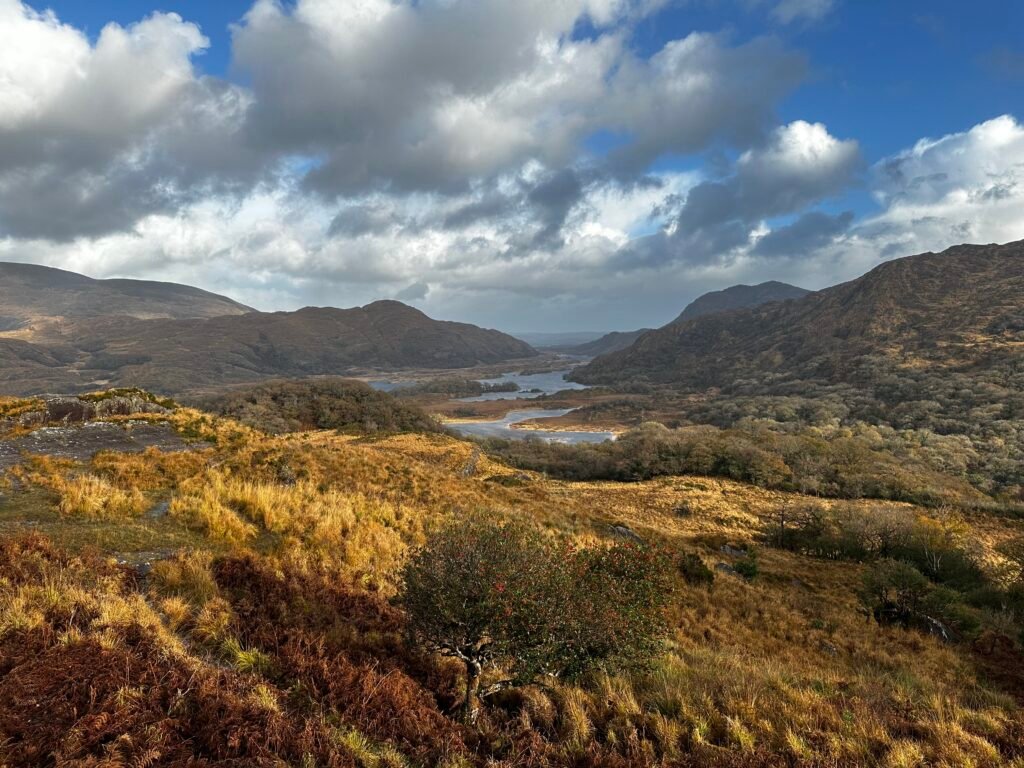
Killarney National Park covers more than 26,000 acres of mountains, lakes, and woodland, making it Ireland’s first national park and one of its largest protected landscapes. The park feels expansive and calming, with steady breezes moving through the valleys and open areas. Even driving through a small portion of it gives a strong sense of how untouched and immersive the landscape is.
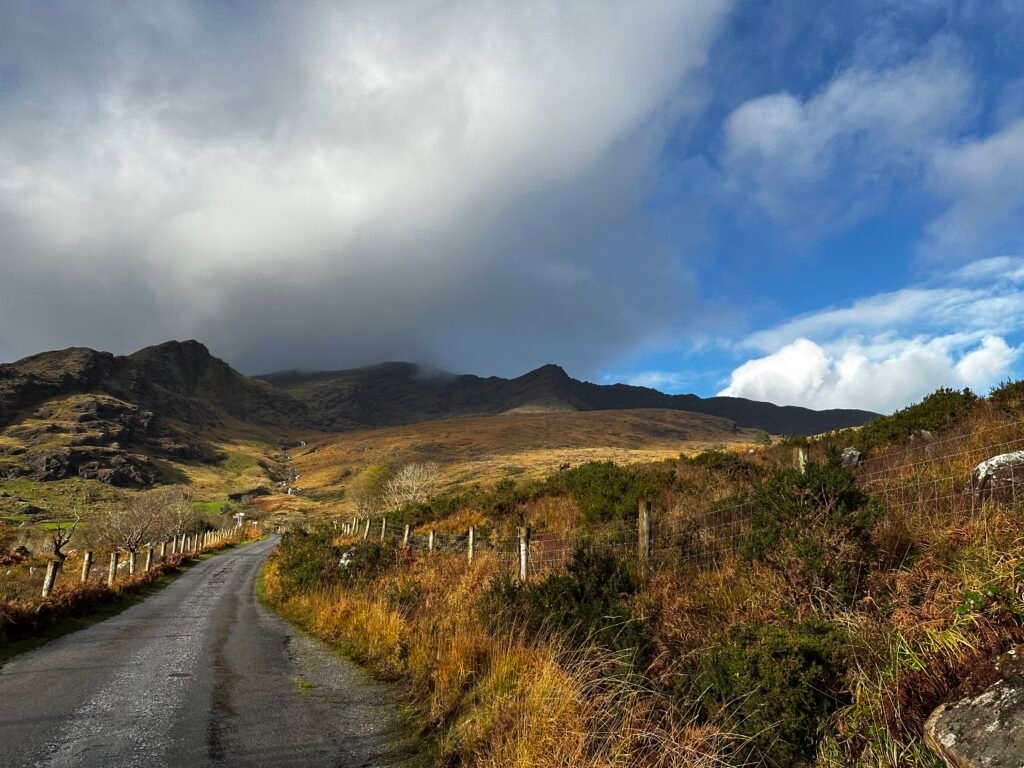
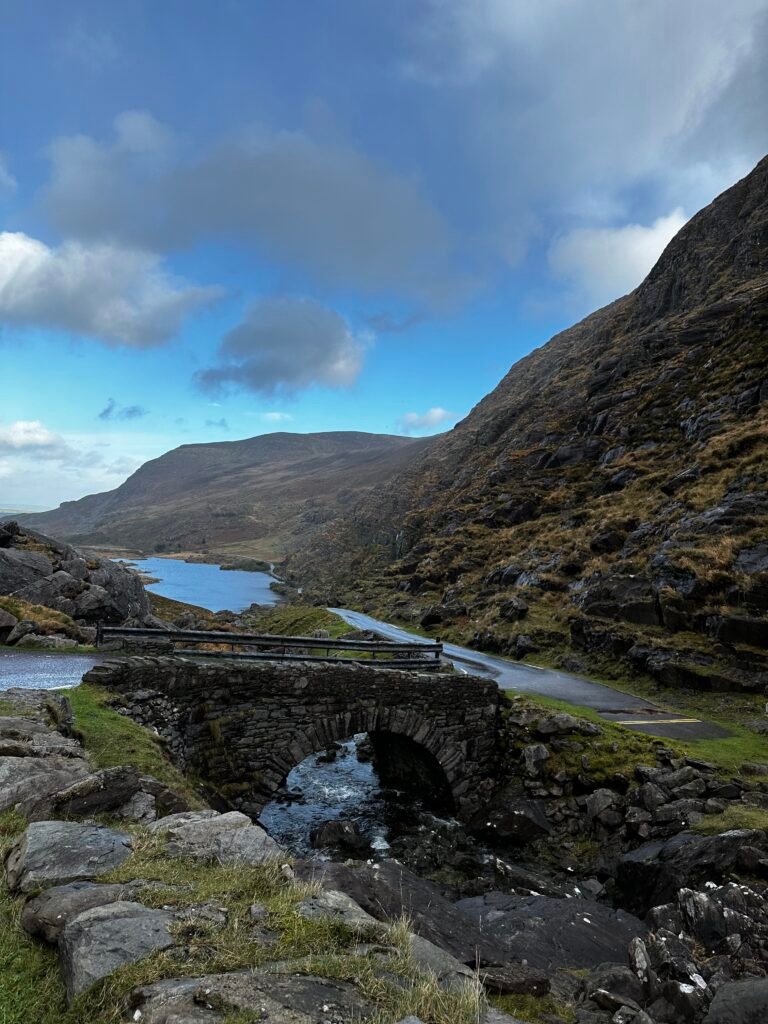
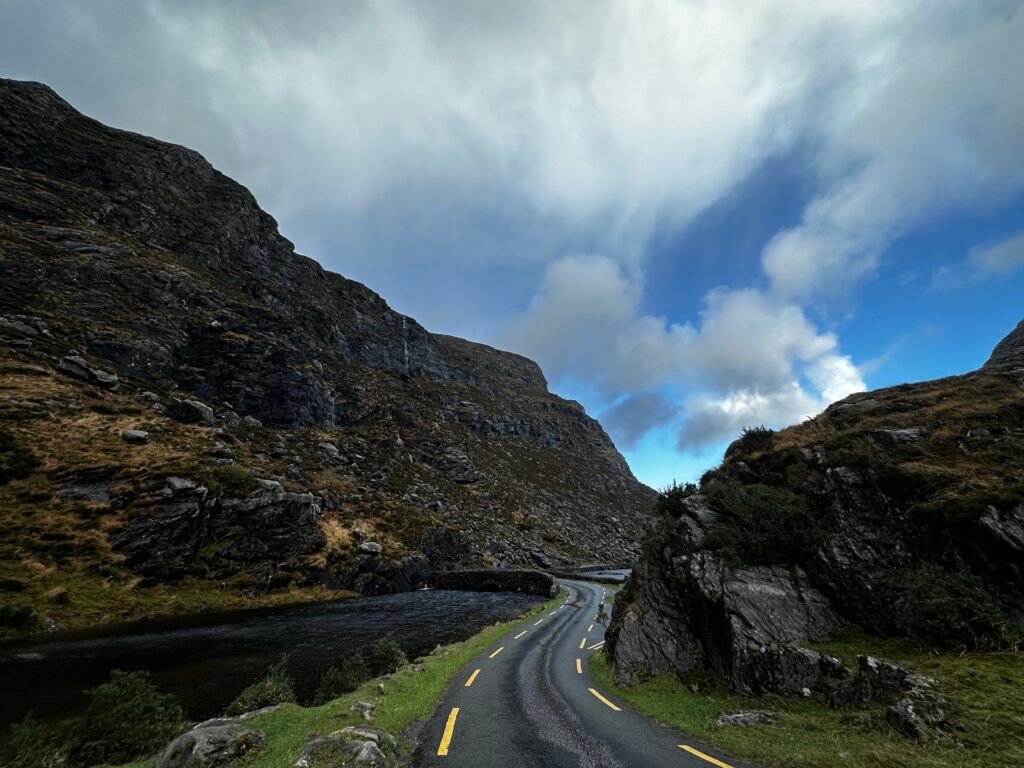
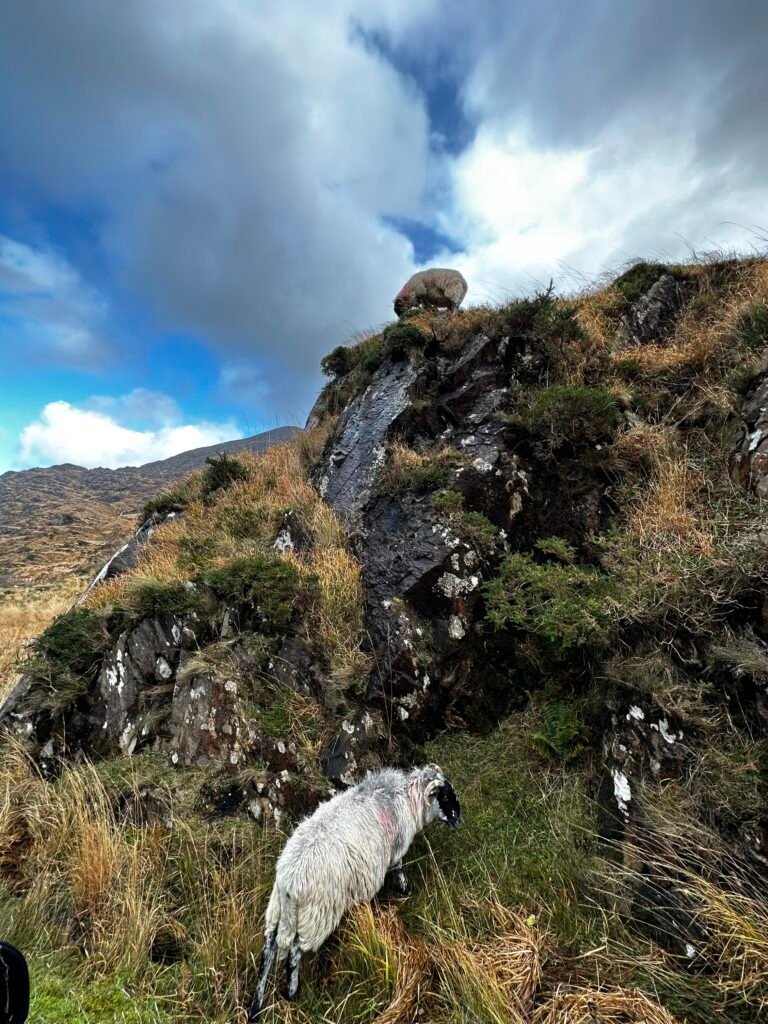
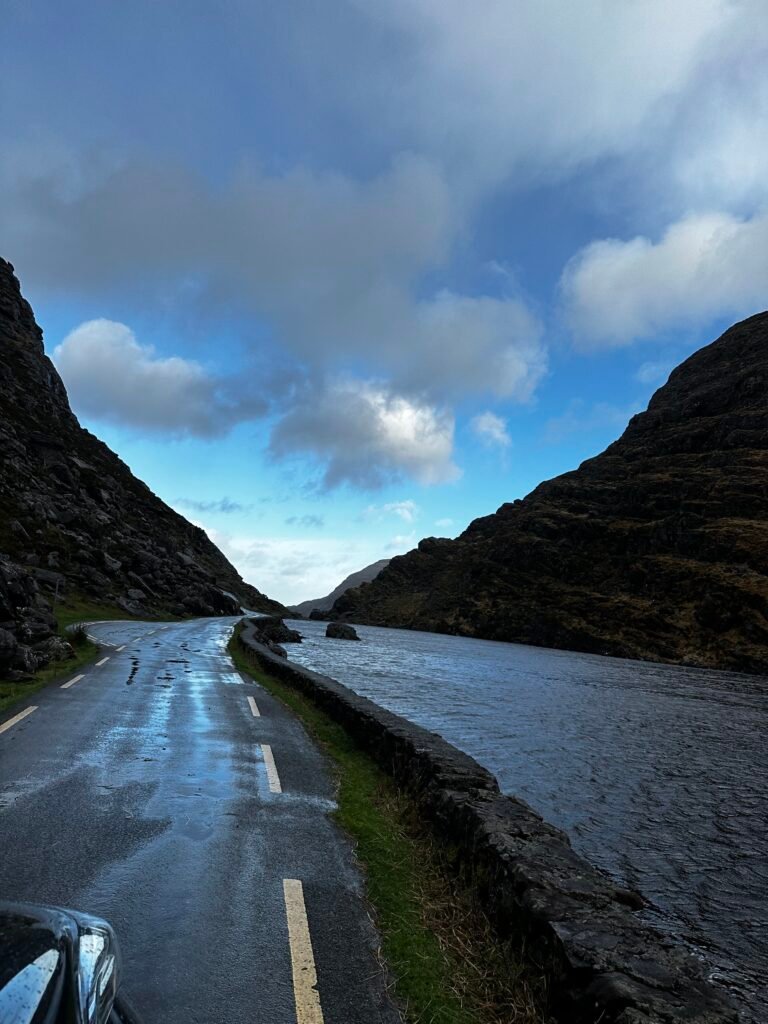
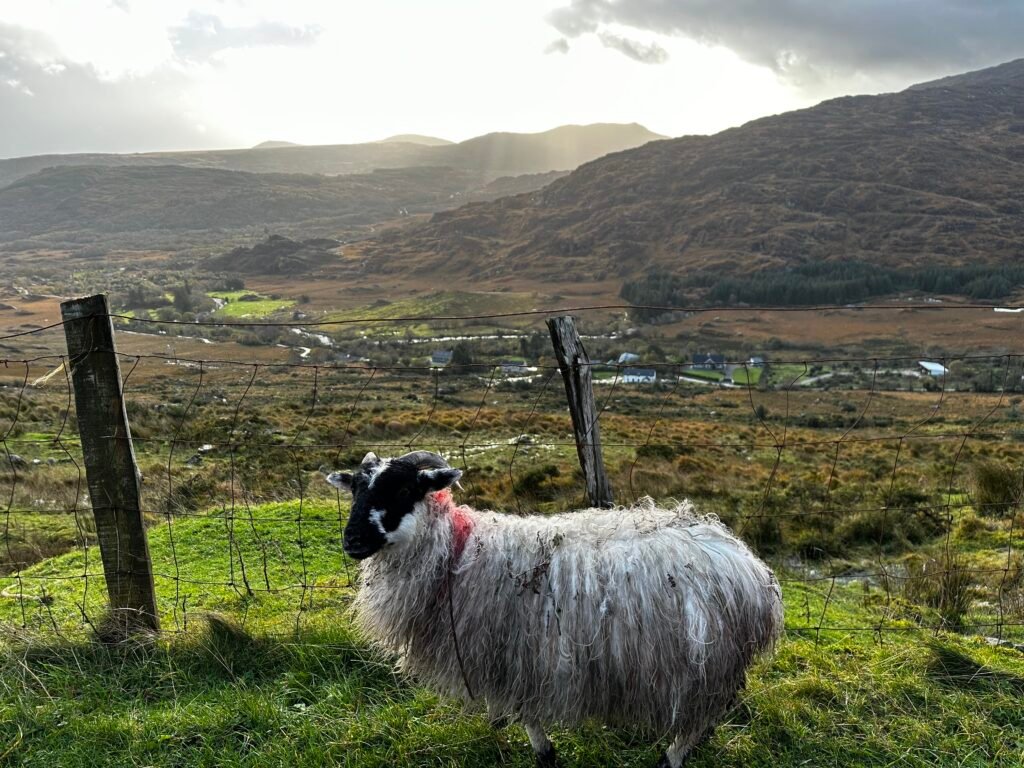
The main area we experienced was the Gap of Dunloe, a narrow mountain pass about 11 kilometers (7 miles) longcarved between the MacGillycuddy’s Reeks and Purple Mountain. Driving through it felt both awe-inspiring and tense due to the tight roads and steep surroundings, but it offered some of the closest contact with nature on our trip. Along the way, we saw goats and native Irish horses, commonly Irish Draught horses or Connemara ponies, which are traditional to the region. It’s a drive that feels remote, dramatic, and entirely worth it, and one we would gladly do again. Absolutely breathtaking.
#1 Rock of Cashel
St. Patricksrock, Cashel, Co. Tipperary, Ireland
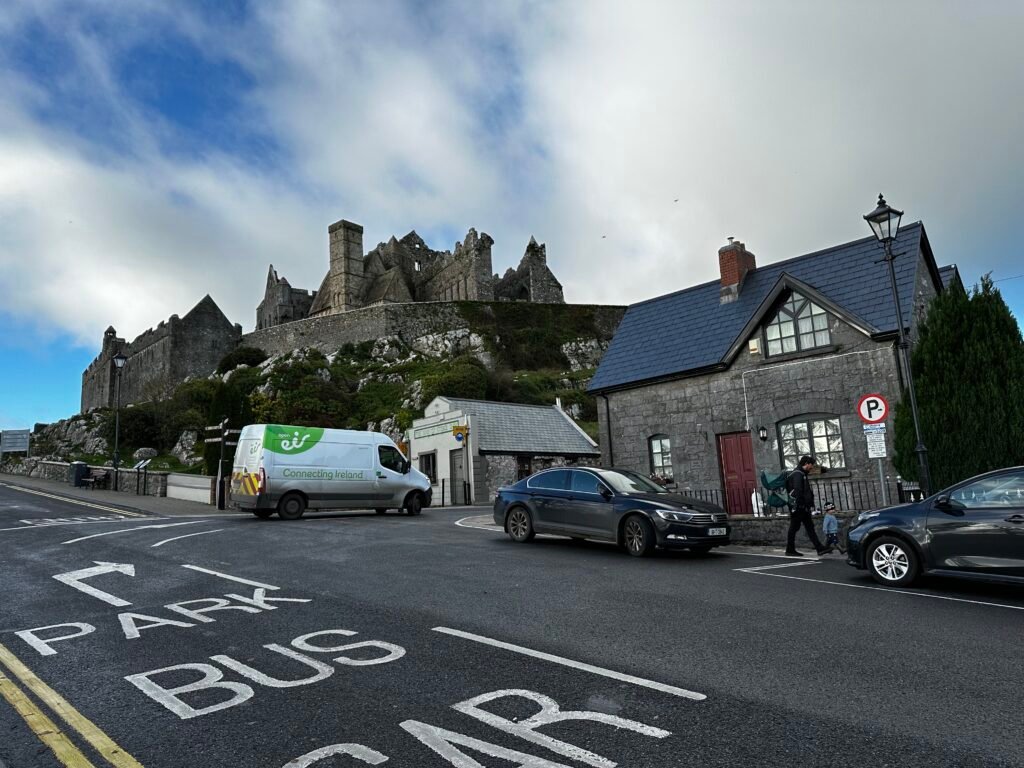
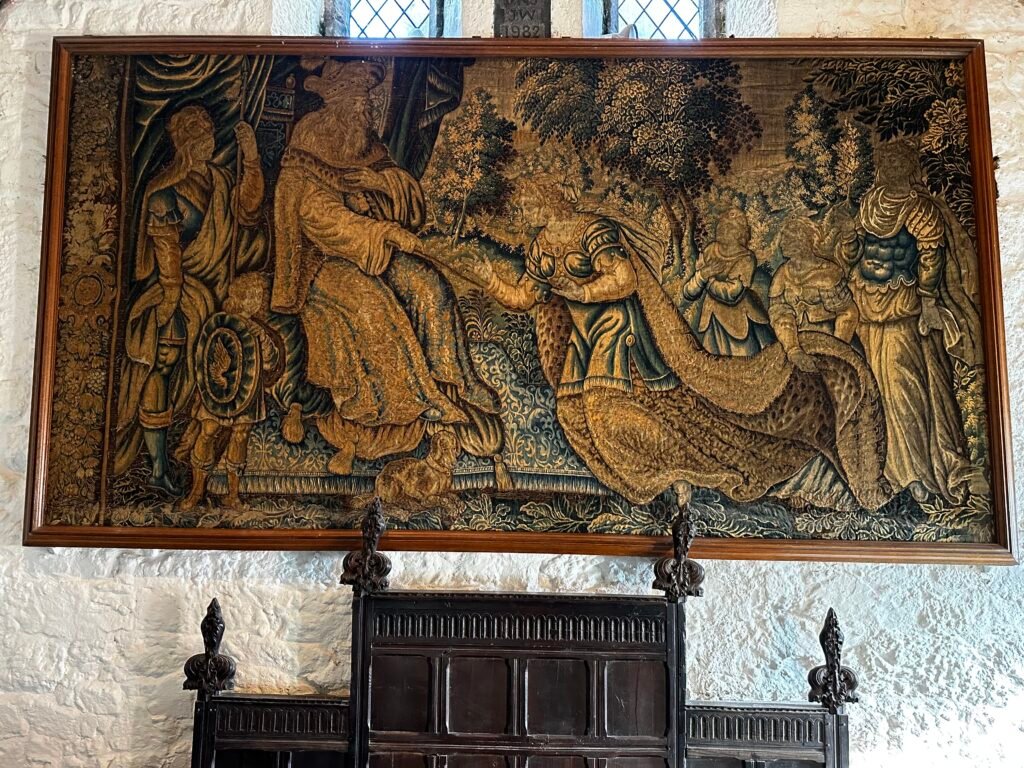
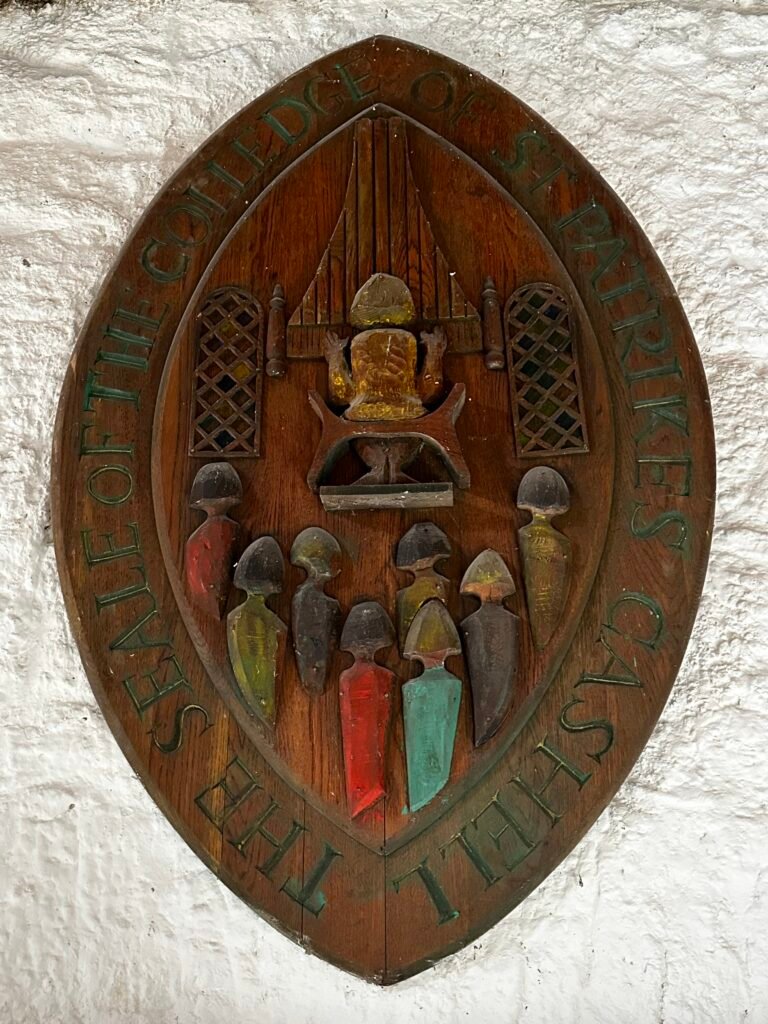
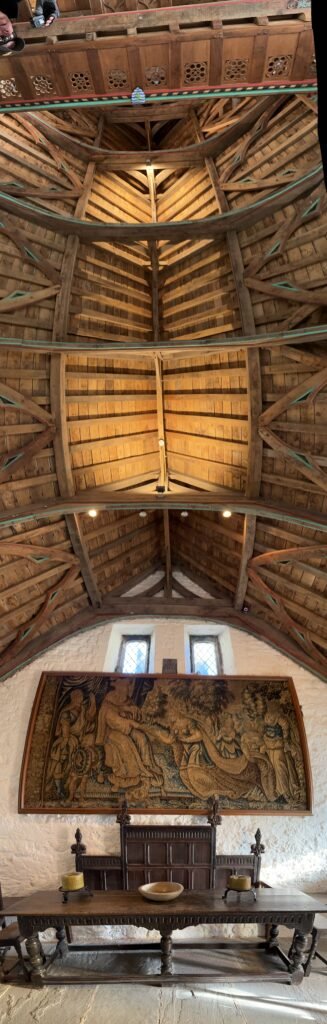
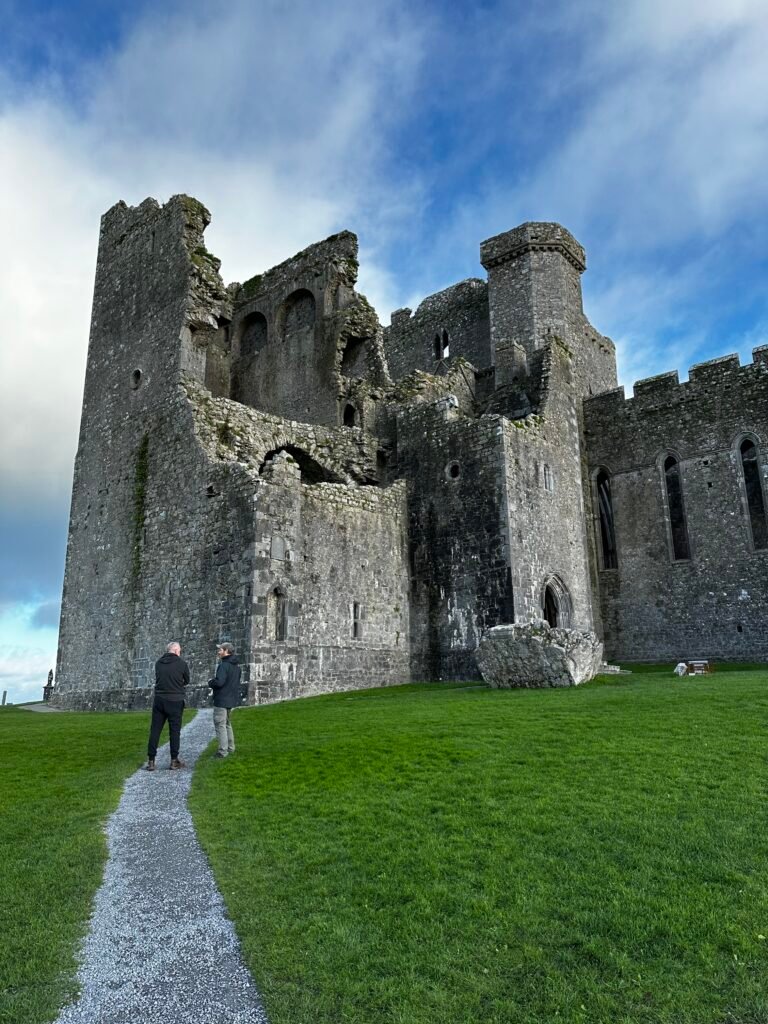
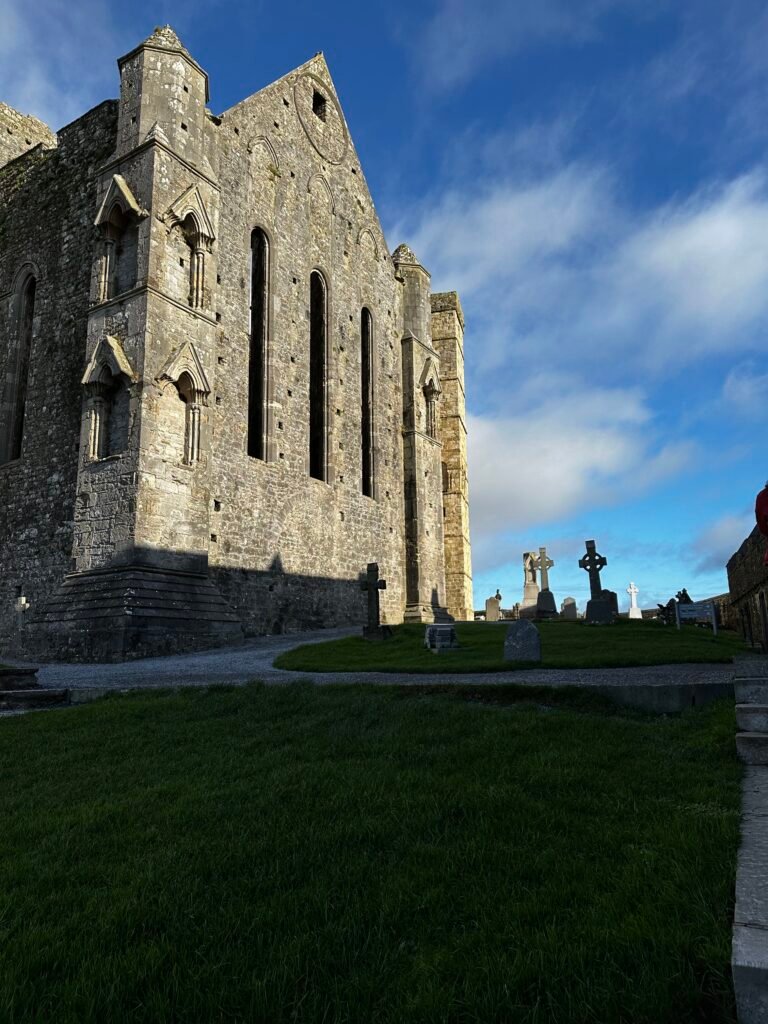
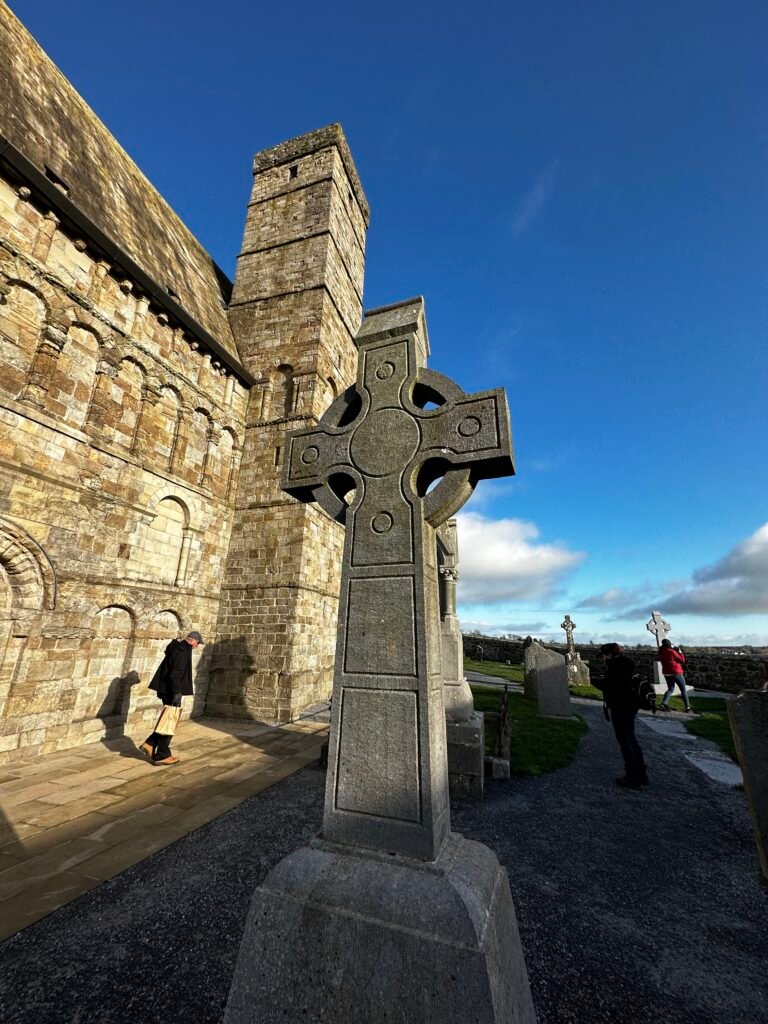
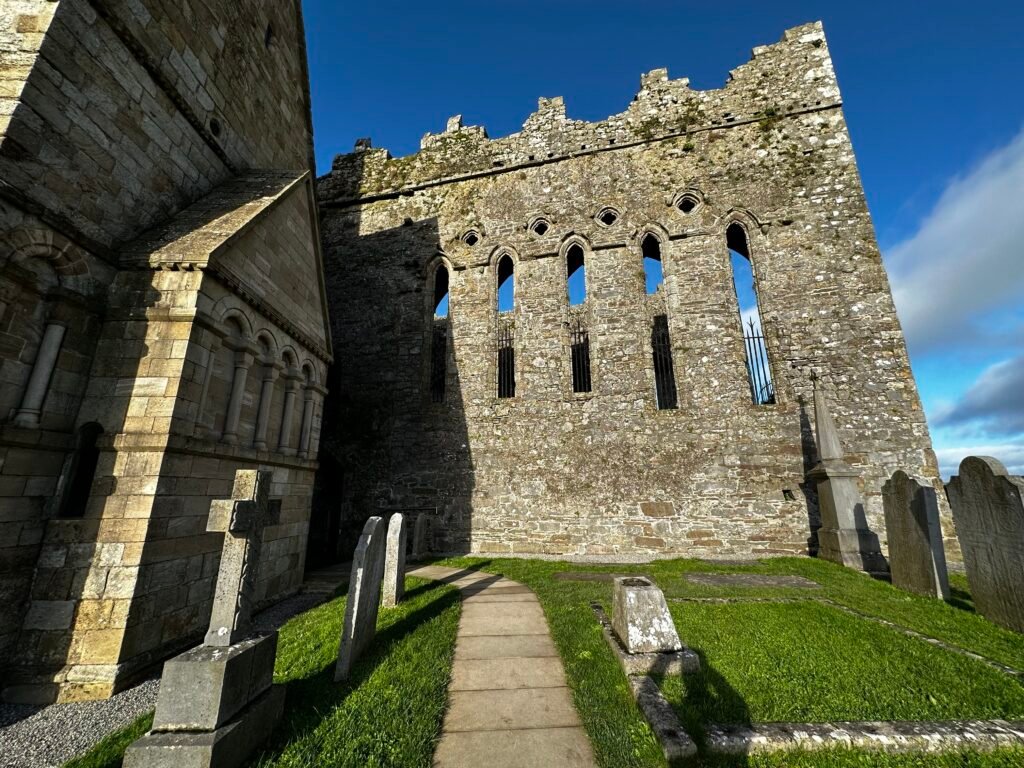
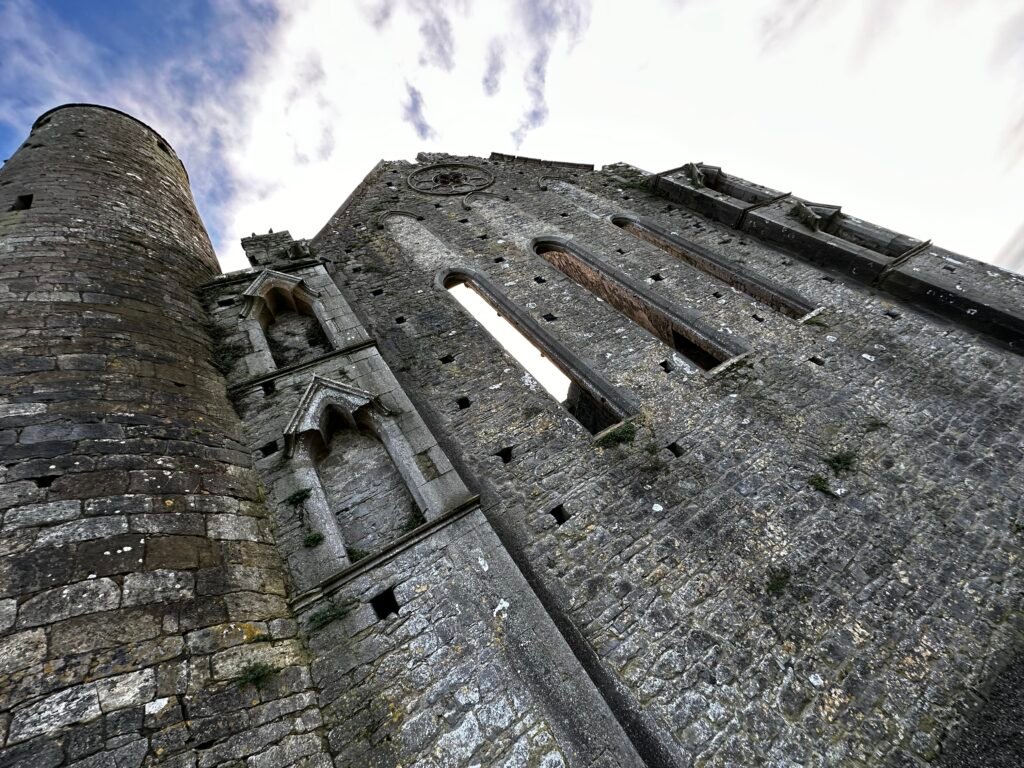
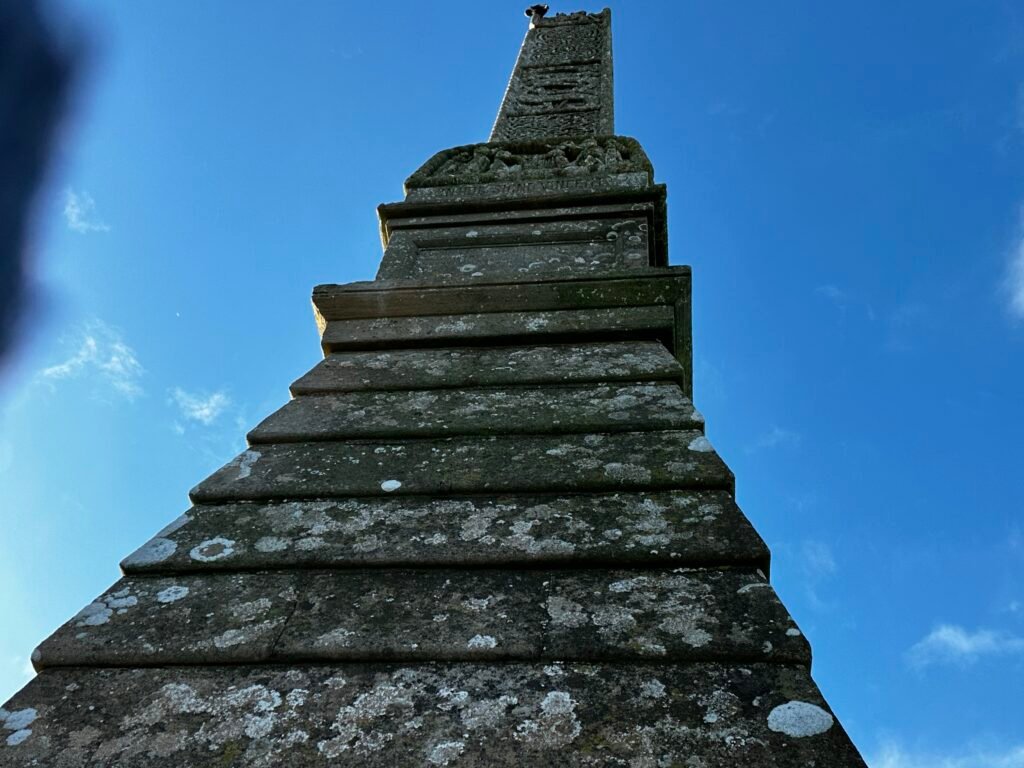
Rock of Cashel was our favorite sites to visit, rising directly above the town and blending naturally into the surrounding landscape. The location served as the seat of the Kings of Munster from the 4th century, before being granted to the Church in 1101, making it one of Ireland’s most important medieval sites.
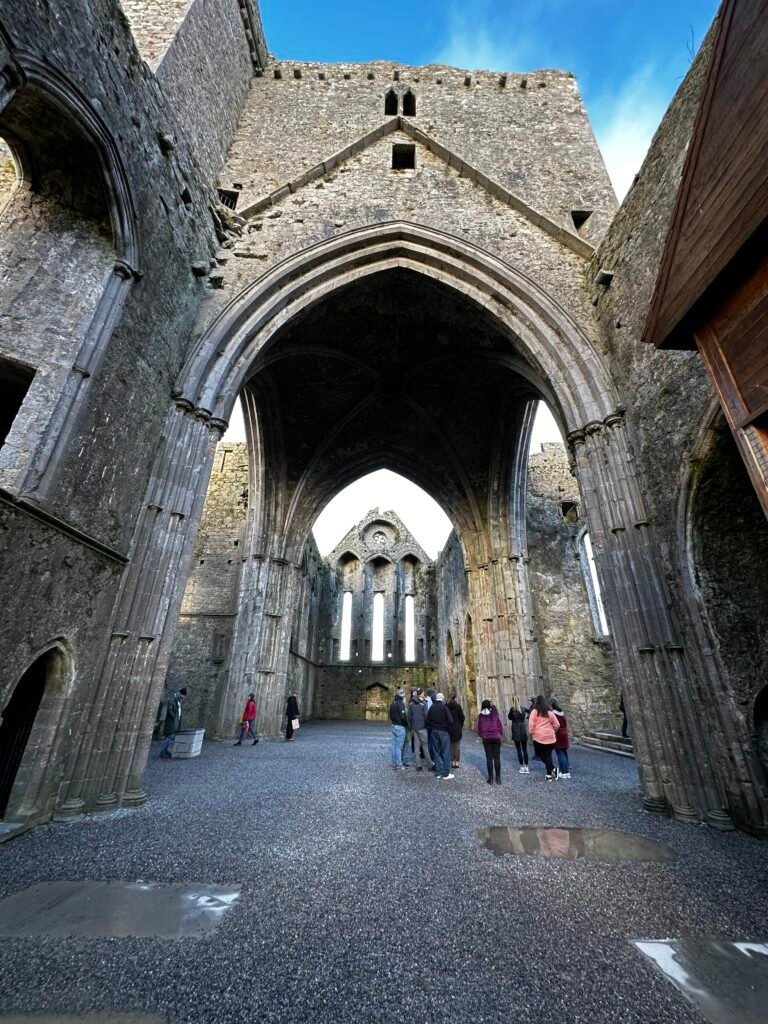
Inside the complex, portions of the interior are arranged to reflect how the space would have been used, with displays showing period furniture, religious art, and architectural details that help visualize daily life within the stronghold. These sections give context to the site’s role as both a royal residence and a major religious center.
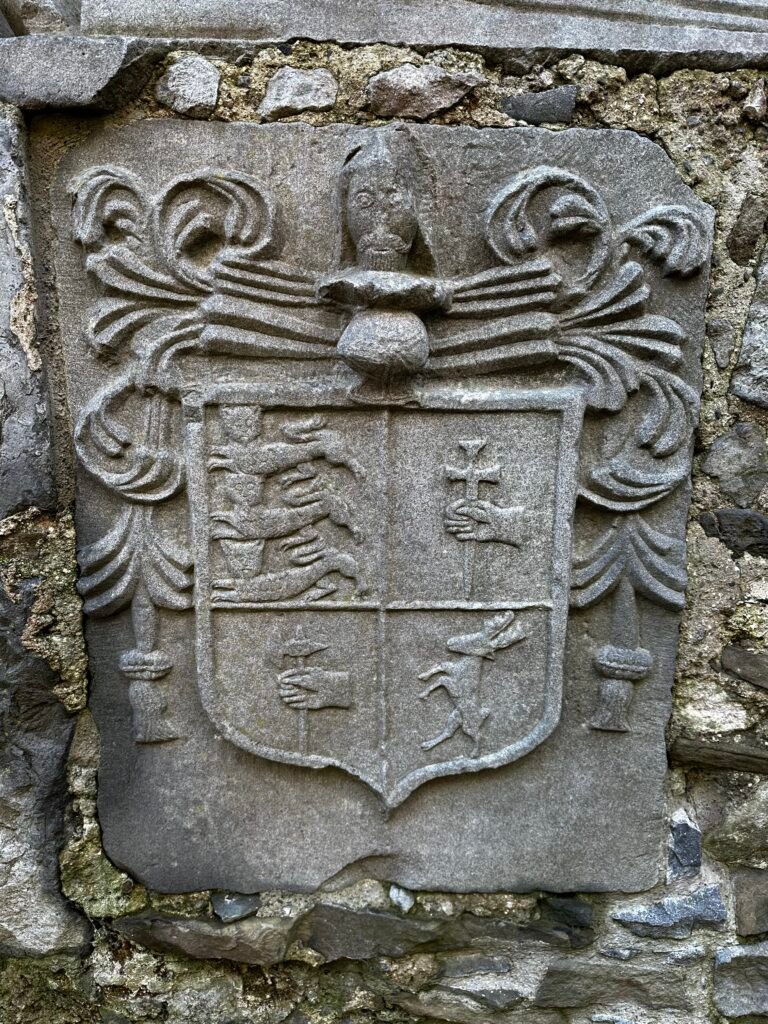
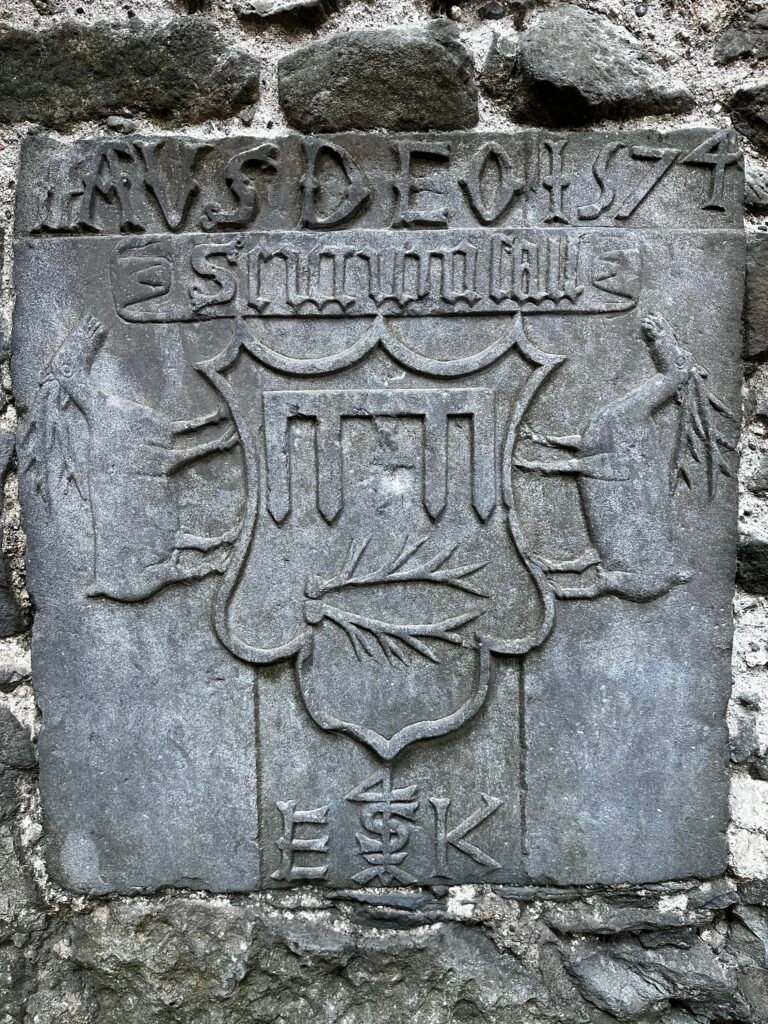
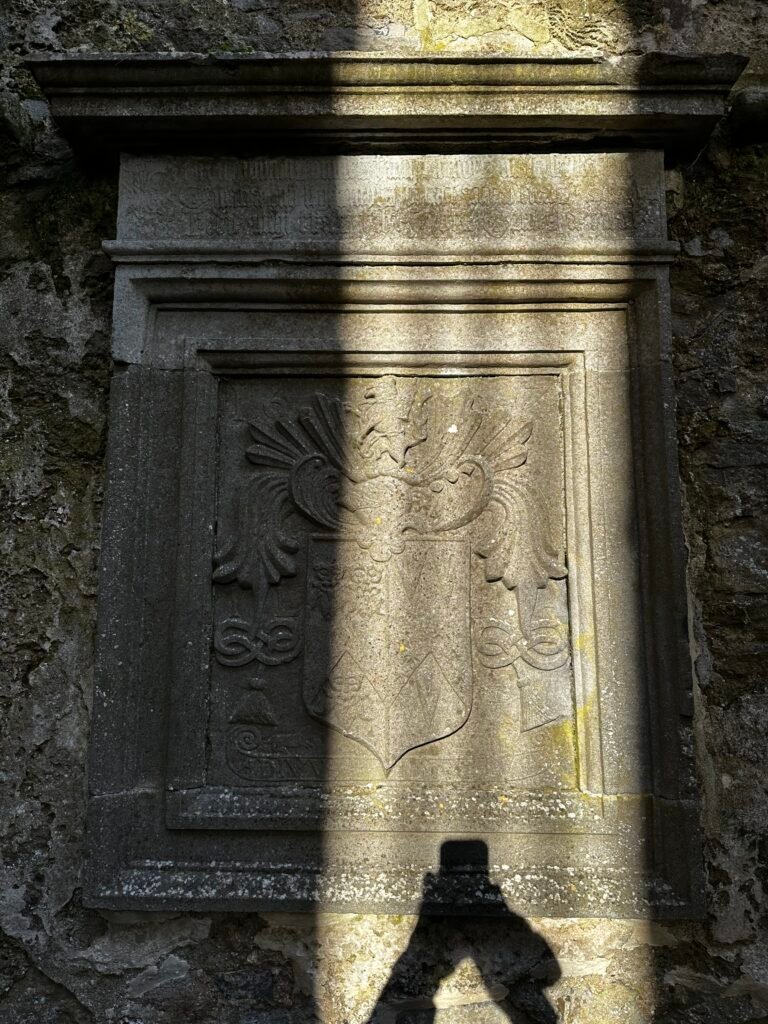
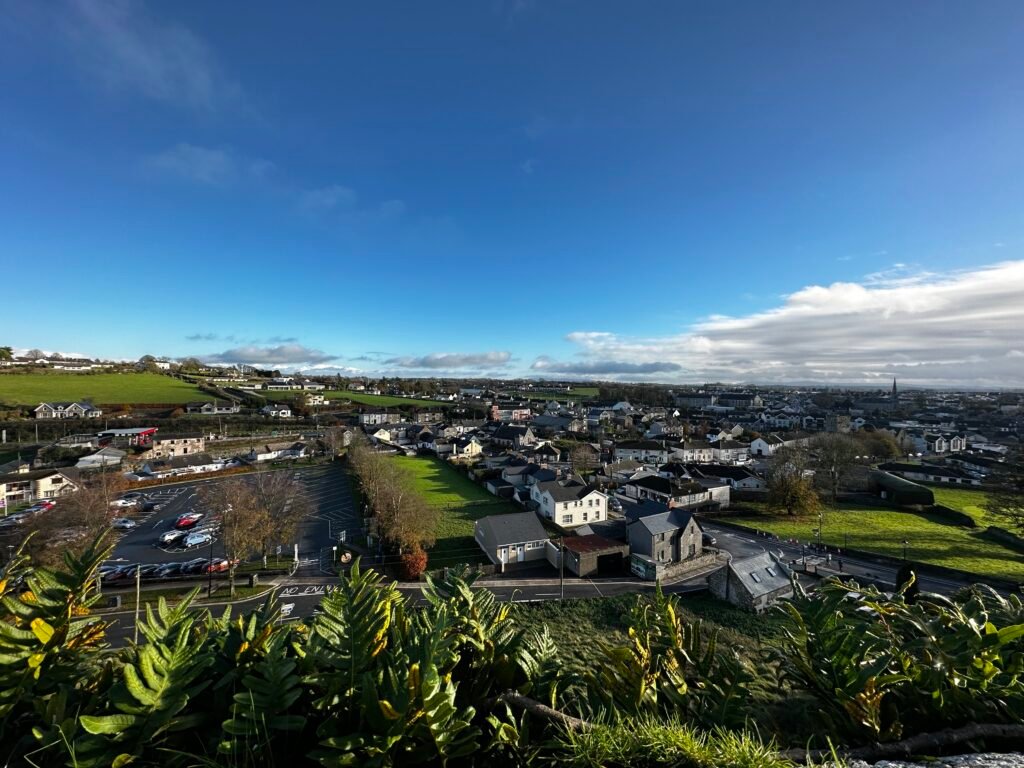
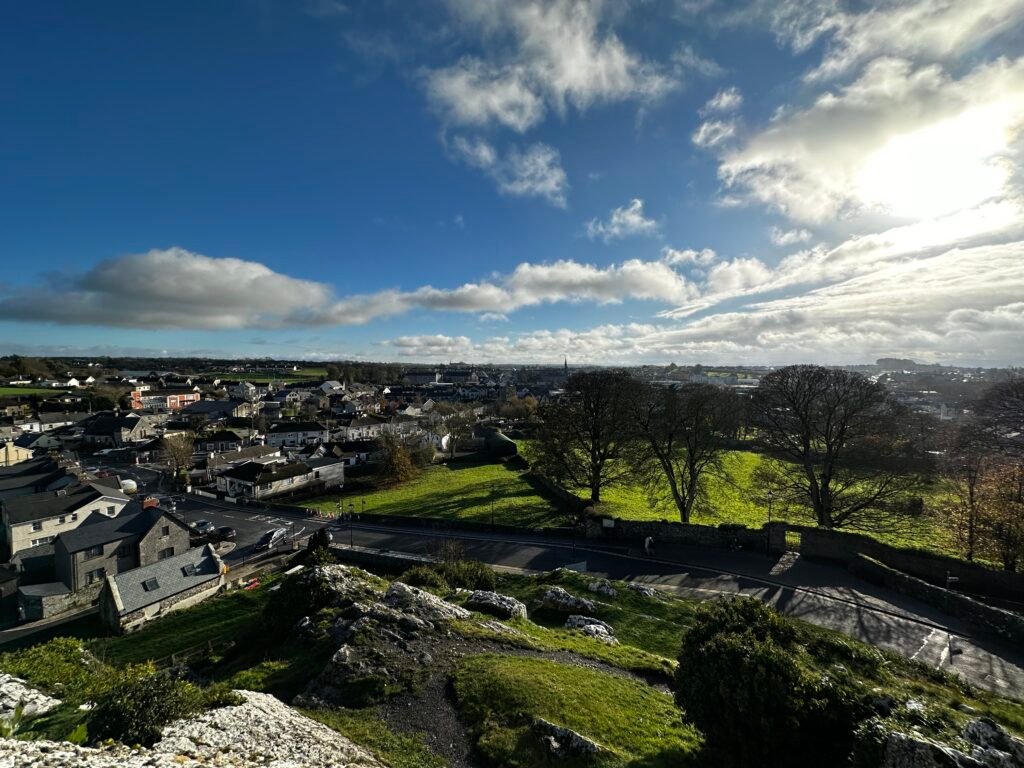
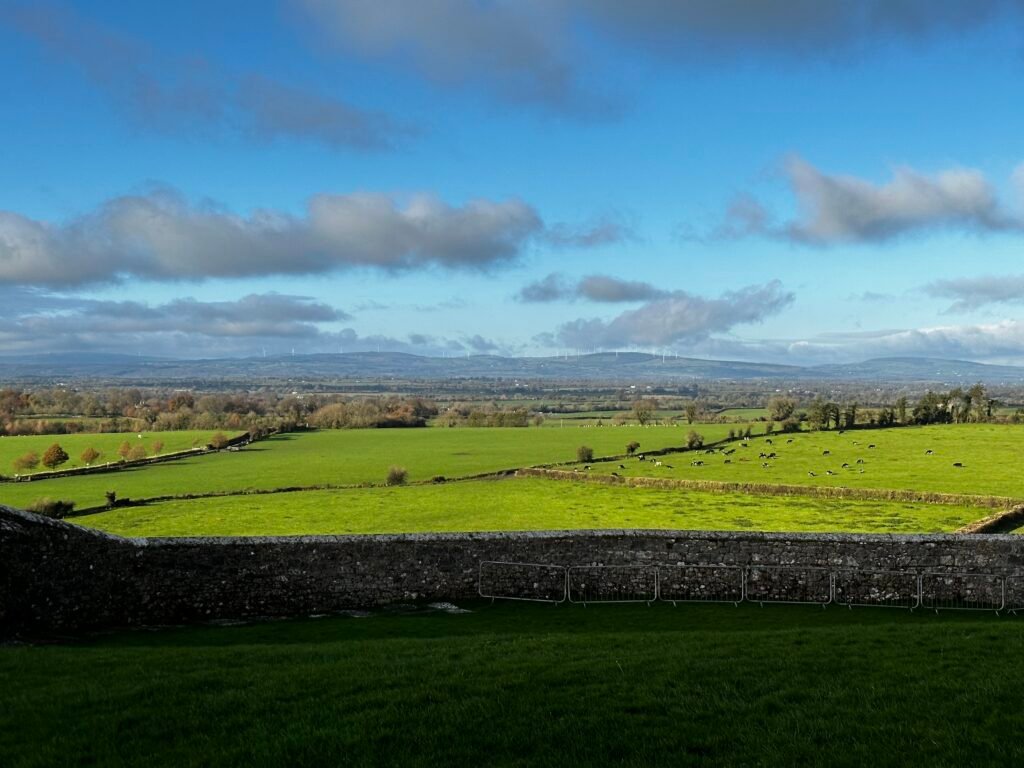
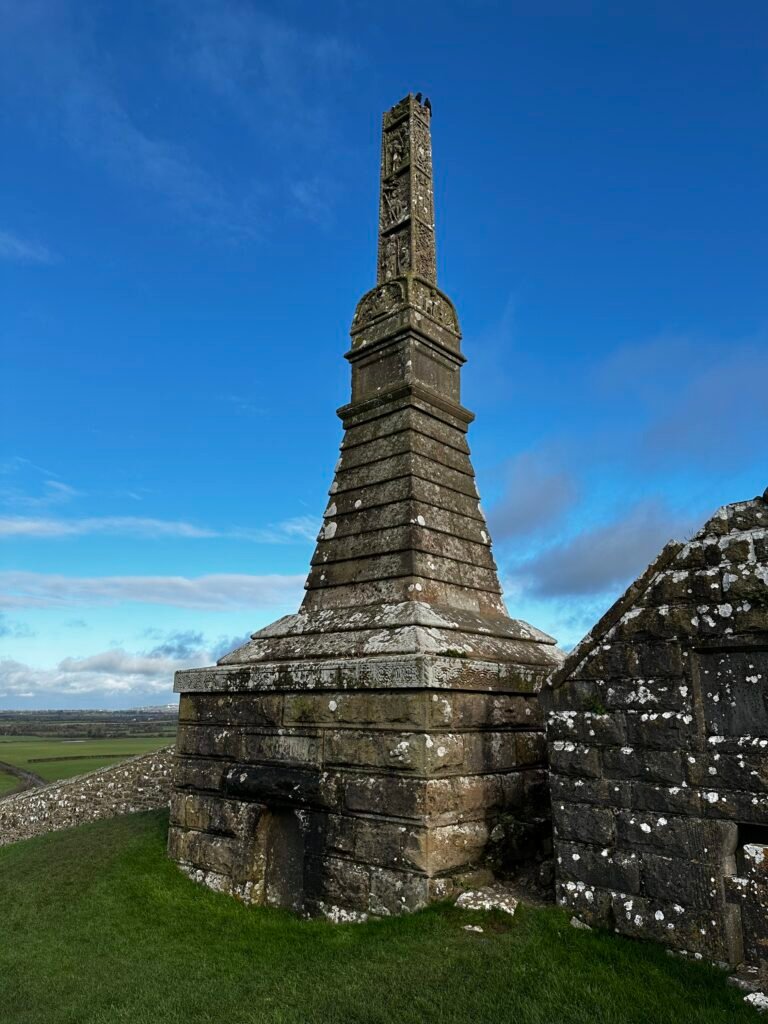
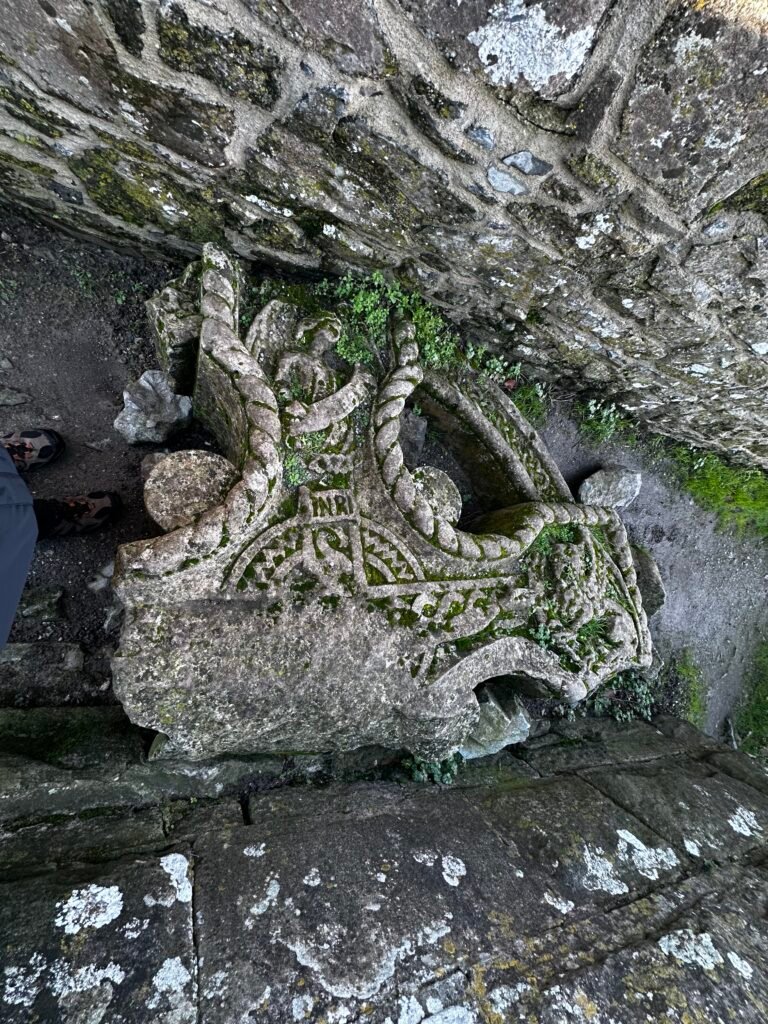
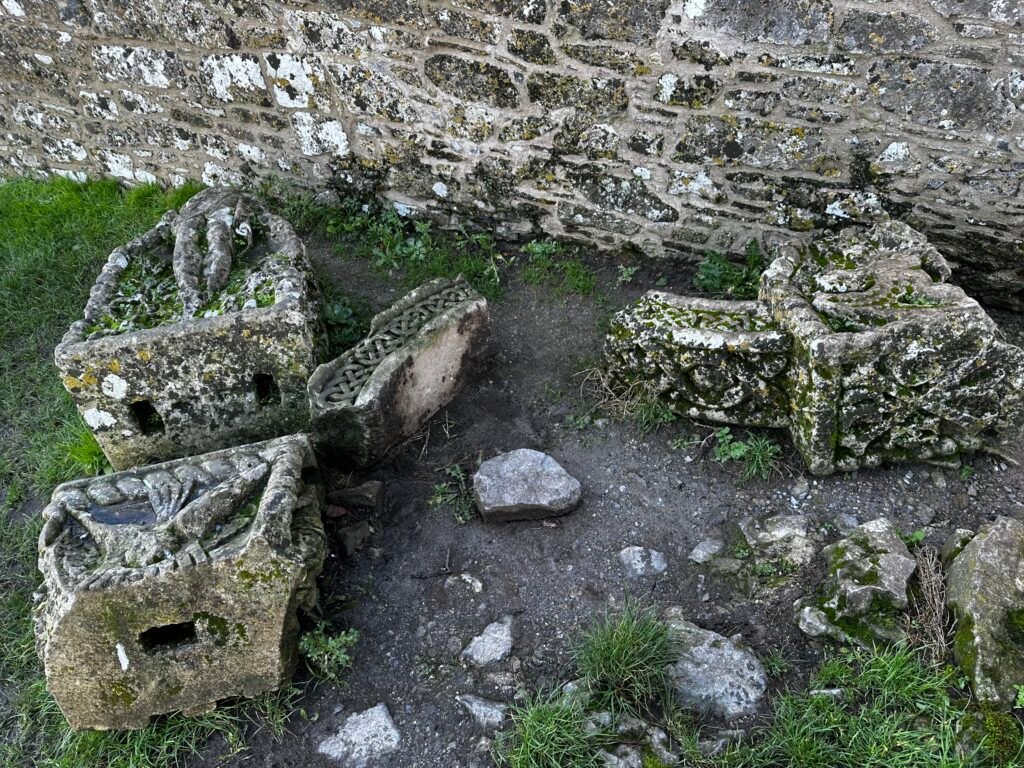
Beyond the interior, the ruins themselves are vast, including Cormac’s Chapel (built 1127–1134), a round tower, and the remains of a cathedral and halls, with plaques throughout explaining the original structures and their functions. Surrounding the complex are historic graveyards and tombstones, some worn and broken with age. Walking among them, the wind moves through the grass and stone, adding to the atmosphere. One tomb we noticed had a missing top, resting nearby behind a Celtic cross, damaged but still striking, making it easy to imagine how it once stood whole centuries ago.
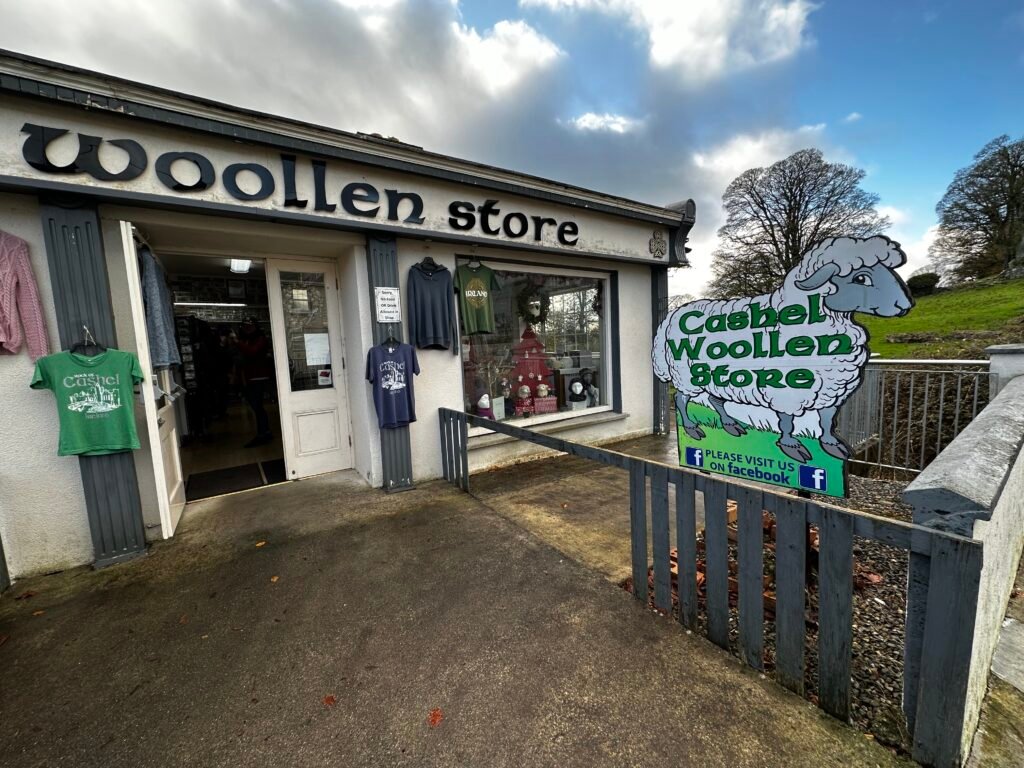
Bonus! The town of Cashel is an ideal stop for lunch and quick souvenir shopping, with small local stores clustered just below the Rock. We stopped at the woollen store, where we added a $1 bill to the wall, signed by us and Katie’s parents, joining years of notes left behind by visitors. A short walk further into town led us to Ladyswell Restaurant, a well-known local spot for traditional Irish food. It was especially meaningful as it’s one of Mr. Hart’s favorite places, having eaten there in the past, and it ended up being a great meal to round out our time in Cashel.

Leave a Reply