The Ultimate Tokyo Bucket List for First-Time Visitors

When we traveled to Tokyo, Japan, we made it a point to combine all of our interests into one well-rounded experience. We explored everything from massive shopping malls and lively neighborhoods to peaceful temples, scenic viewpoints, and iconic towers. Tokyo truly has something for every type of traveler, whether you love culture, food, or modern city life. Below are the top 10 places we personally saw and recommend seeing if you’re planning a trip to Tokyo. Excluding Tokyo Disney.
#10 Shibuya Crossing
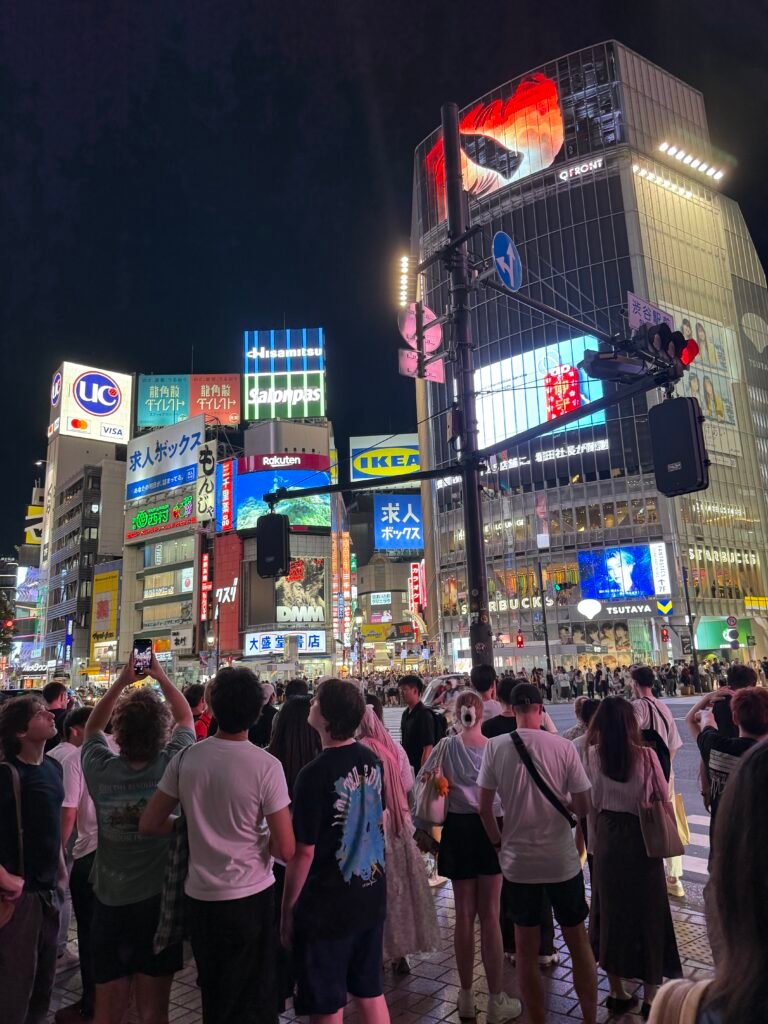
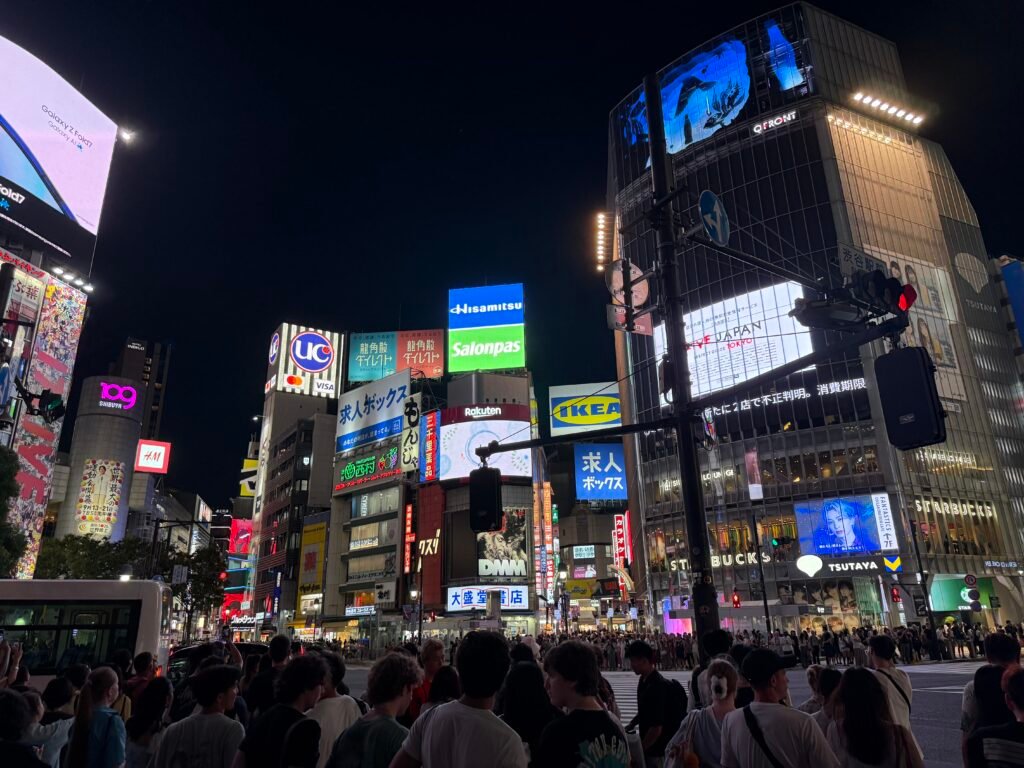
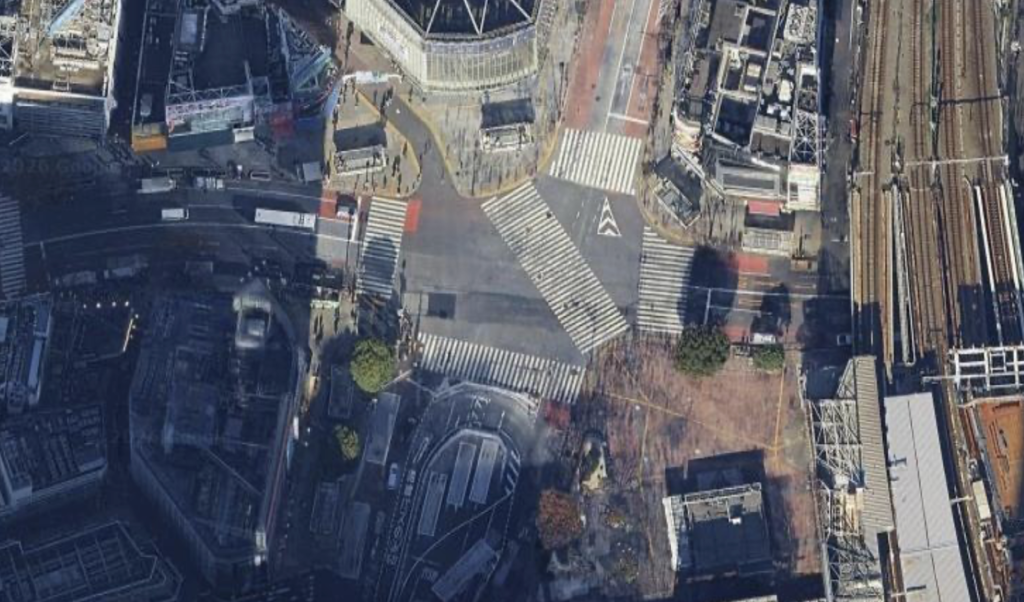
Image shows Shibuya Crossing at night.
The reason I’m putting Shibuya Crossing at the bottom of the list is because of just how crowded it was. We went at night, and it was nearly impossible to walk without bumping into someone. That said, it was still absolutely gorgeous to see, with all the neon lights lighting up the area and showing off just how iconic the crossing is. At night, the neighborhood really comes alive, with younger crowds flocking here for the bars, late-night restaurants, clubs, karaoke spots, arcades, and endless nightlife activities that keep the streets buzzing well into the early hours.
#9 Nakamise Shopping Street
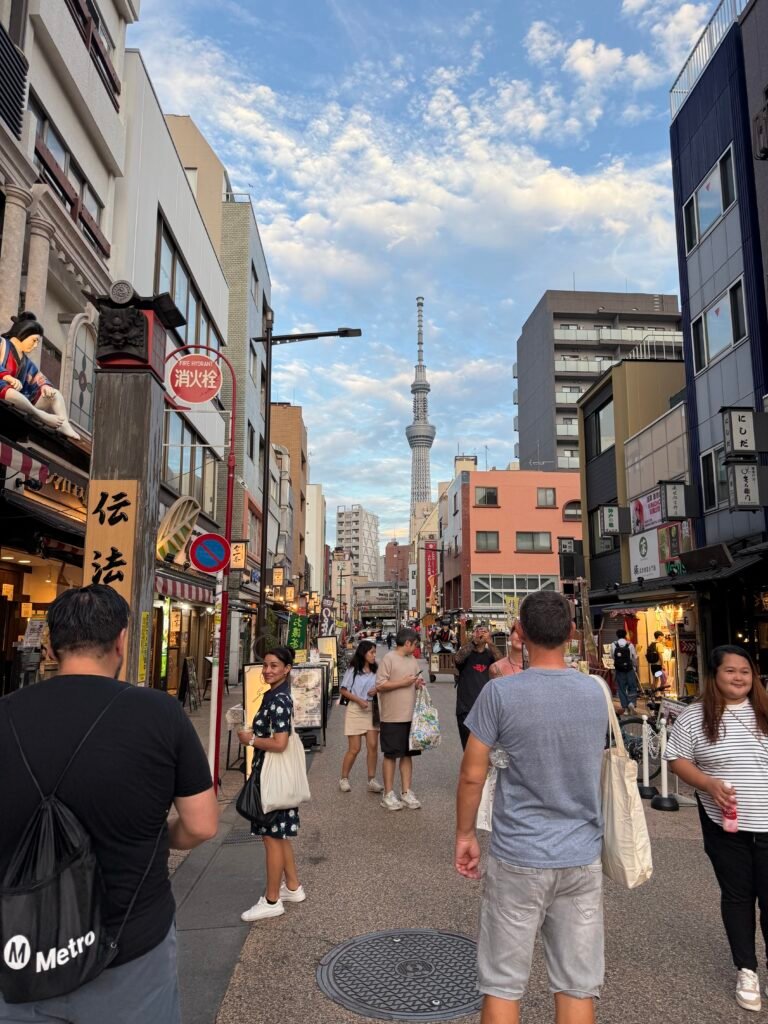
Image shows the view down Denboin Street (intersection)
Nakamise Shopping Street was just as busy as Shibuya Crossing, especially when it’s peak hours (when we visited).
It’s the famous walkway leading up to Senso-ji, and it’s packed shoulder-to-shoulder with people browsing, snacking, and stopping every few steps for photos.
What makes Nakamise so fun is the food vendor culture here. It’s basically one long line of little stalls selling classic Japanese street treats, so you’re constantly tempted by the smell of fresh sweets and warm snacks. You’ll see things like ningyo-yaki (tiny cake bites, often filled with red bean), senbei (rice crackers—sometimes grilled right in front of you), dango (chewy rice dumplings on a stick), taiyaki (fish-shaped pastries with fillings), matcha desserts, and seasonal specialties that change throughout the year. There are also stalls selling traditional souvenirs like fans, chopsticks, small charms, and cute trinkets, so even if you’re not hungry, there’s still a lot to browse.
Image shows the end of Denboin Street (intersection)
It’s crowded, but it’s one of those places where the chaos is part of the experience – just go slow, snack as you wander, and enjoy the energy leading up to the temple.

#8 Zojo-ji Temple
Image of Zojo-ji Temple with Tokyo Tower behind.
Zojo-ji Temple sits just outside of Tokyo Tower, and we actually first spotted it while looking out the windows from the tower itself.
This ended up being the very first temple we experienced up close in Japan, which made the moment even more meaningful.

As we approached the temple grounds, the contrast between the historic temple and the modern Tokyo Tower behind it was striking. Walking into the main hall, Daiden (Main Hall), the atmosphere instantly shifted. It was quiet, calm, and almost meditative compared to the city outside. Inside, we watched a monk praying, which felt incredibly humbling, like we had stepped into a moment of his everyday spiritual life before respectfully heading back out.


#7 Akihabara Shopping District
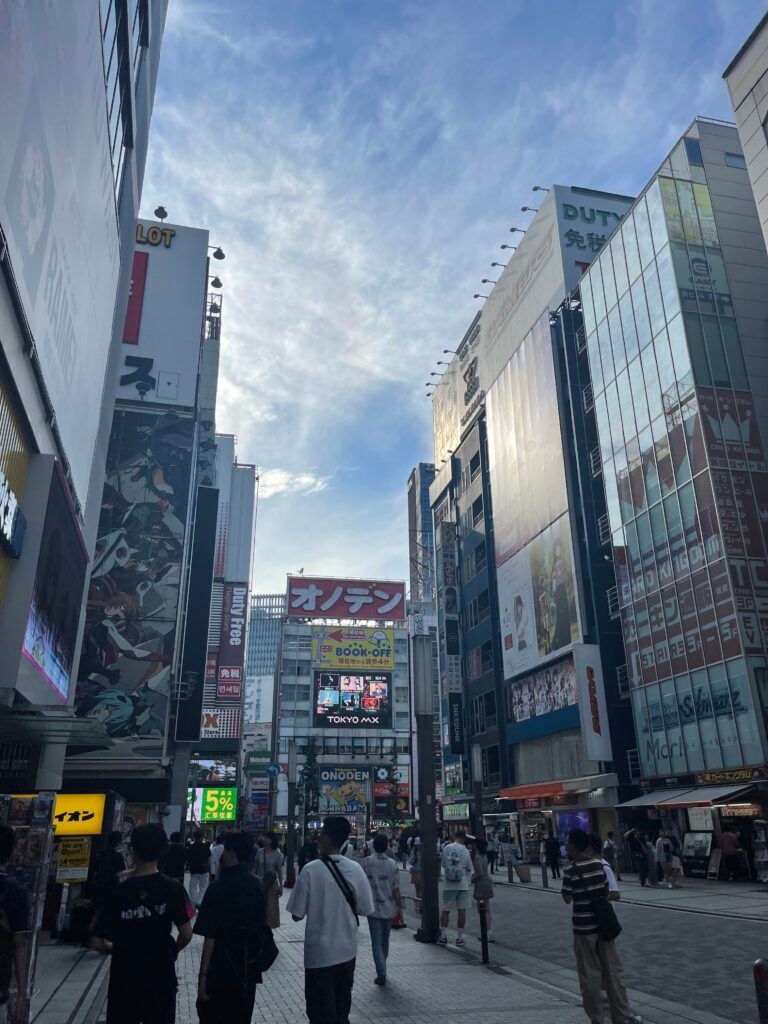
Image of a side road inside the Akihabara Shopping District.
Akihabara was easily one of the most fun places we explored when it came to shopping and just looking at items. The area is packed with bright signs, anime billboards, and themed storefronts, and every block feels like it has something new to discover.
We went into Don Quijote (the iconic penguin store), which was an experience on its own. The store had multiple floors and felt almost maze-like, with every level offering something different. One floor was filled with travel essentials and souvenirs, another with home goods and quirky gifts, and others packed with makeup, skincare, snacks, candy, drinks, and fun Japan-only items you don’t normally see back home. It’s the kind of place where you go in for one thing and walk out with a basket full of items.
This was also where we visited Animate for the first time, which was especially exciting for Katie since she’s a huge anime fan. Seeing Animate in person felt surreal after only knowing it online. The store was filled with manga, light novels, figures, posters, and character merchandise stacked floor to floor. Even though most of the novels were only in Japanese, it was still really cool to flip through them and see the massive variety of series and collectibles all in one place.
Overall, Akihabara felt electric and playful, especially if you love anime, gaming, or just browsing unique shops. It’s one of those neighborhoods where the fun isn’t just buying things, but soaking in the energy and seeing it all in person.
Just a heads-up: Akihabara is known for some non-PG shops and displays, so travelers with kids or anyone sensitive to adult-themed content may want to be mindful of where they wander, especially on upper floors and side streets (not a dangerous area – just hard to explain area lol).
#6 Senso-Ji Temple

Walking through the Hōzōmon Gate feels powerful and ceremonial. The massive structure is anchored by a huge red lantern hanging at its center, instantly signaling that you’re approaching something sacred. Inside the gate, towering guardian statues stand watch on either side, fierce and protective, meant to ward off evil and protect the Sensō-ji temple grounds.


Once you pass through the main gate, there’s a smaller building off to the right where you can take part in a traditional fortune ritual. Inside are wooden containers filled with sticks. You gently shake the container until one stick falls out, each marked with a number. That number corresponds to a drawer where you pull your written fortune. We both received good fortunes and kept them with us for good luck, which made the experience feel even more special and meaningful.
This was one of the top temples we were recommended to visit, and even though it’s located in one of the more touristy parts of the city, it’s absolutely worth seeing. Visiting Sensō-ji at night was especially memorable, when the crowds thinned, the lanterns glowed, and the temple took on a calmer, more magical atmosphere.
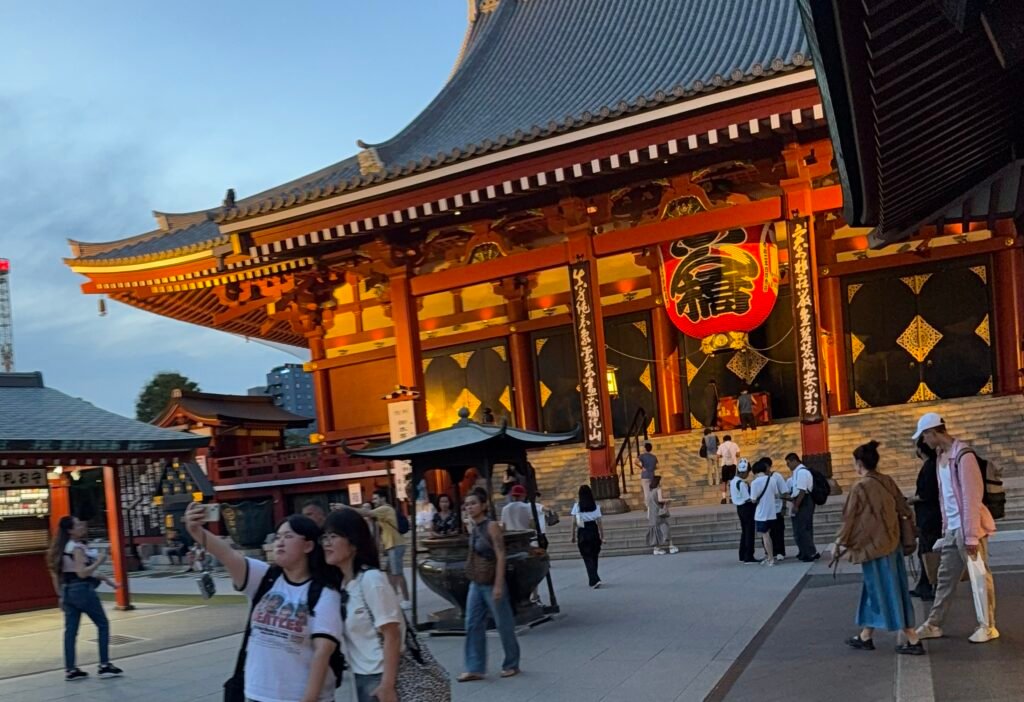
Bonus Activity! After exploring the temple and staying to watch the sunset, we walked over to Sukeroku Yume-Dori Street and continued down toward the dock. We spent time simply watching the city light up for the night, completely mesmerized as trains passed over the Sumida River Walk bridge. It was calm, beautiful, and the perfect way to end the day.
#5 Sunshine City

Image shows off Luffy, One-Piece statue inside Sunshine City.
Sunshine City is a massive 60-story complex packed with shops covering just about everything you could need. Inside, you’ll find stores for souvenirs, anime and pop culture favorites like One Piece and Studio Ghibli, character goods, lifestyle items, and plenty of fashion shops. There’s even a full postal service located inside, which makes sending souvenirs home super convenient. With such a wide variety of stores all in one place, it’s an easy and fun spot to spend a few hours shopping and exploring.
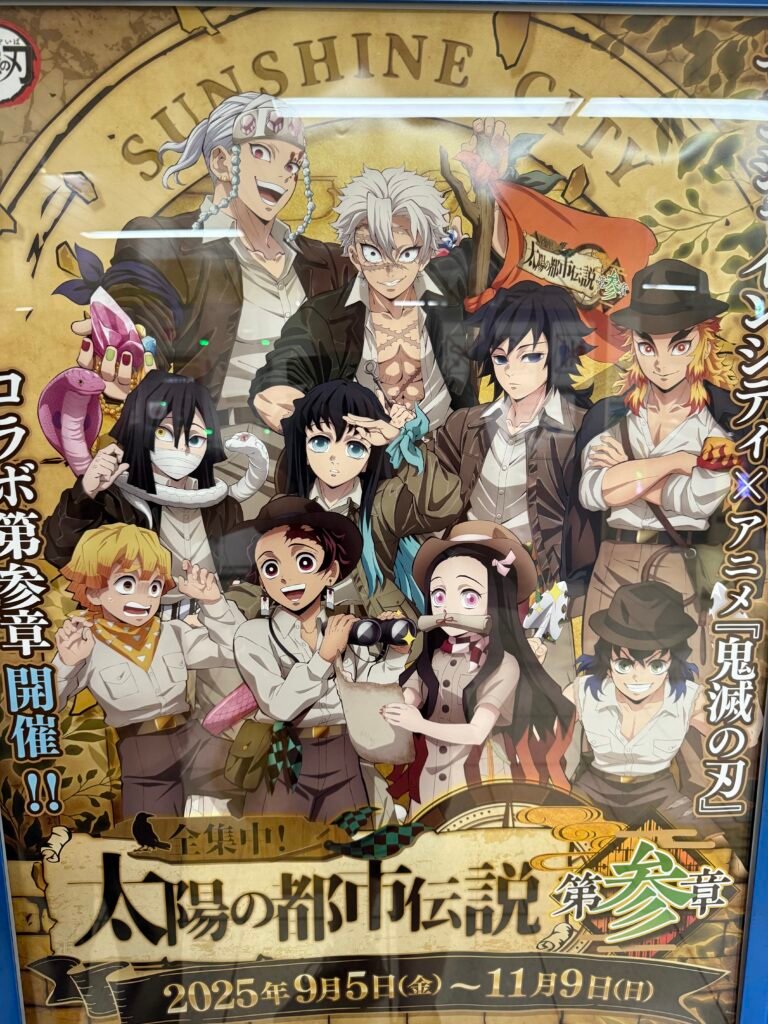


The food options are just as impressive as the shopping. The complex is filled with a wide mix of restaurants and casual dining spots, ranging from Japanese comfort food to international favorites, making it easy to find something no matter what you’re craving. Also, known for hosting pop-up cafés, which are huge in Japan. These are temporary, themed spots featuring limited-time menus, specialty baked goods, and unique drinks often inspired by anime, characters, or seasonal themes. It adds an extra layer of fun and makes every visit feel a little different, especially if you happen to catch a theme you love.
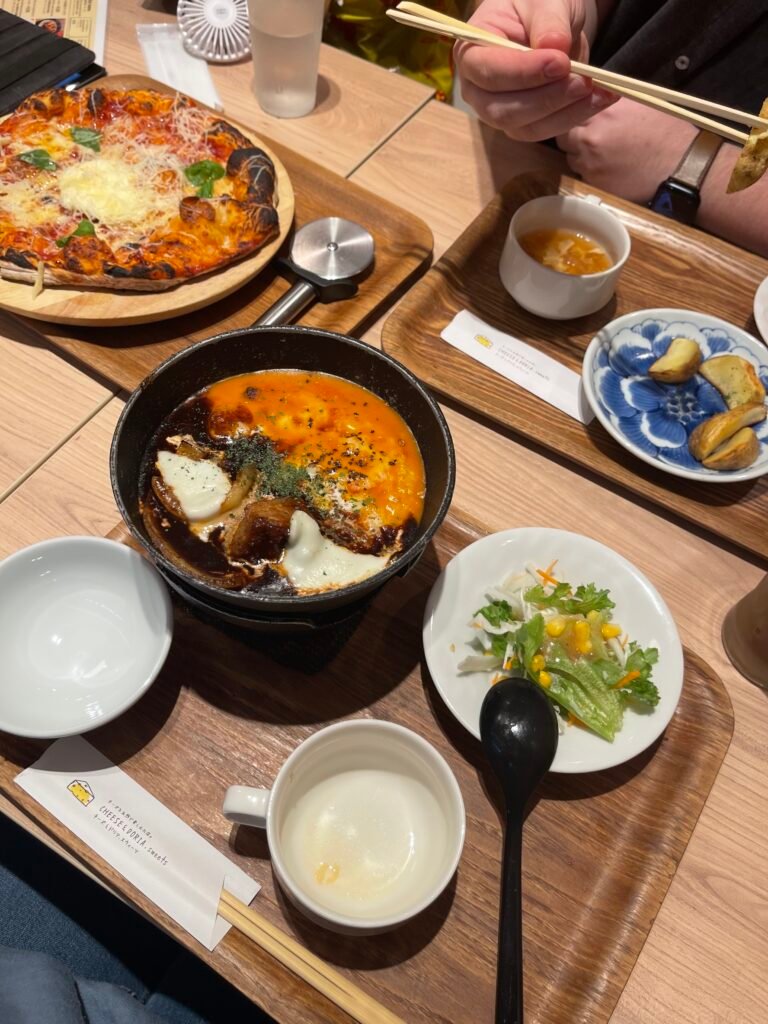
Image shows off our meal at Cheese & Doria Sweets.
We personally ate at Cheese & Doria Sweets, and it was a standout. The pizza was excellent, and their hot stone meals were especially memorable, arriving sizzling and full of flavor. It was the perfect place to sit down, recharge, and enjoy a warm, satisfying meal after exploring the mall. 10/10, we recommend eating here.
#4 Pokemon Center Tokyo DX
Image shows off a Snorlax with Pikachu & Mewtwo statue at the entrance of the Pokemon Center.
Growing up, we both played Pokémon games. My favorite was Diamond & Pearl, while Katie’s was Silver & Gold. Visiting this spot felt especially nostalgic, with a cute store filled with Pokémon plushies from every generation and game. This is also where you’ll find the Pokémon Café, making it a must-see for any Pokémon fan.

The Pokémon Center captures just how deeply Pokémon is woven into everyday life in Japan. It’s not just a store to the city. It’s a place where nostalgia, creativity, and fun come together, whether you grew up playing the games or are discovering Pokémon for the first time. Walking through it feels like stepping into a shared childhood memory, and in a city as fast-paced as Tokyo, it’s a space that brings people together through something joyful and familiar. GOTTA CATCH EM’ ALL!
#3 Imperial Palace
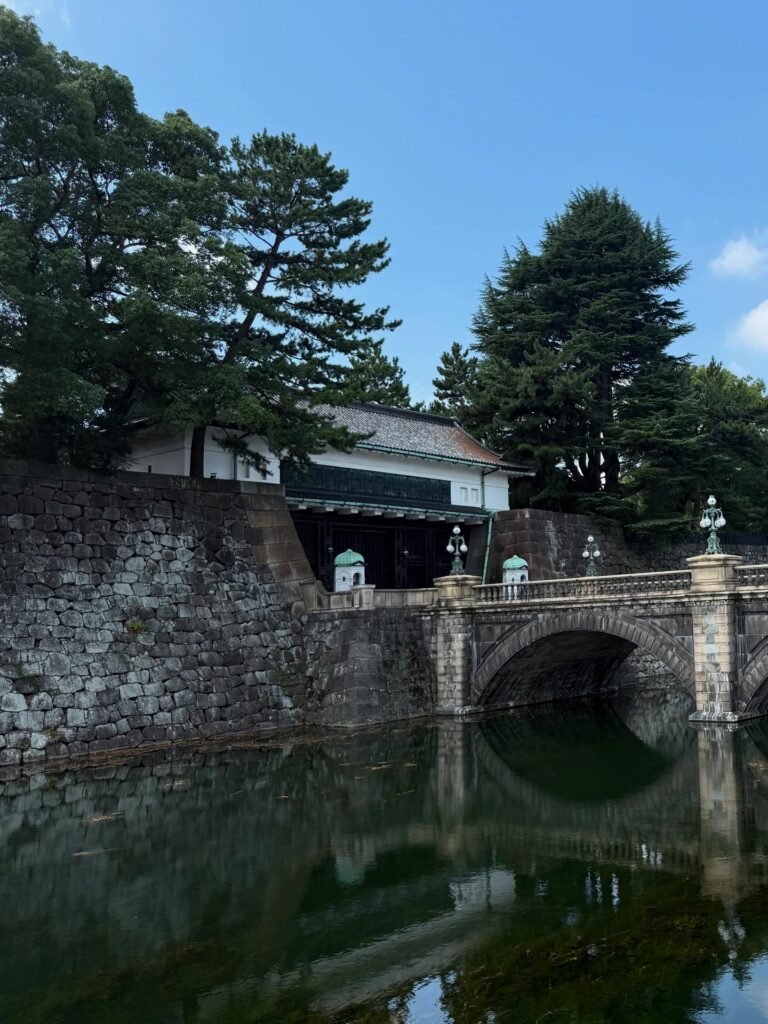
Image shows the Seimon Ishibashi gate.
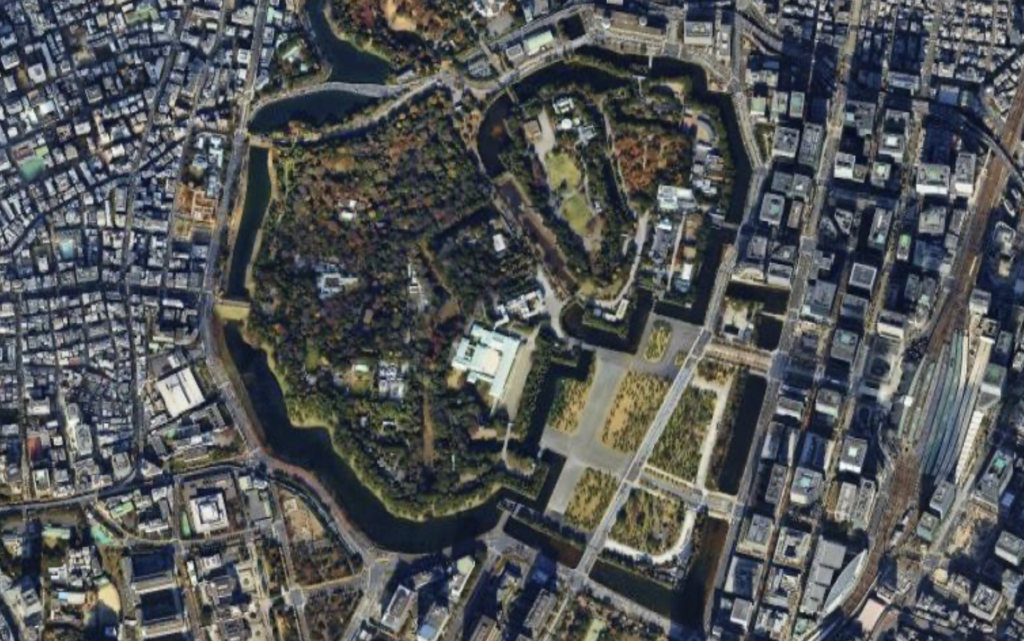
The first place we visited was the Imperial Palace grounds, and it immediately set the tone for the trip. The trees, gardens, and walking paths are immaculately maintained, with every bush and stretch of greenery cared for to perfection. The palace sits on an expansive 1,150 acres, making it one of the largest green spaces in central Tokyo, and it quietly showcases Japan’s sense of order, history, and strength.
Spread across the grounds are several significant structures, each with its own purpose and history. The Seimon Ishibashi and Nijubashi bridges are the iconic stone bridges leading toward the inner palace and are some of the most photographed spots on the grounds. Fushimi Yagura and Fujimi Yagura are traditional watchtowers that once helped protect the palace, standing as reminders of Japan’s feudal past. Gates like Kikyomon Gate mark historic entrances into the inner areas, while the East Gardens are open to the public and feature landscaped lawns, seasonal flowers, and remnants of Edo Castle’s original foundations.
Walking through the grounds feels calm and powerful at the same time. The sheer scale of the land, combined with the careful preservation of nature and history, offers a quiet but striking glimpse into Japan’s imperial legacy.
#2 Tokyo Tower
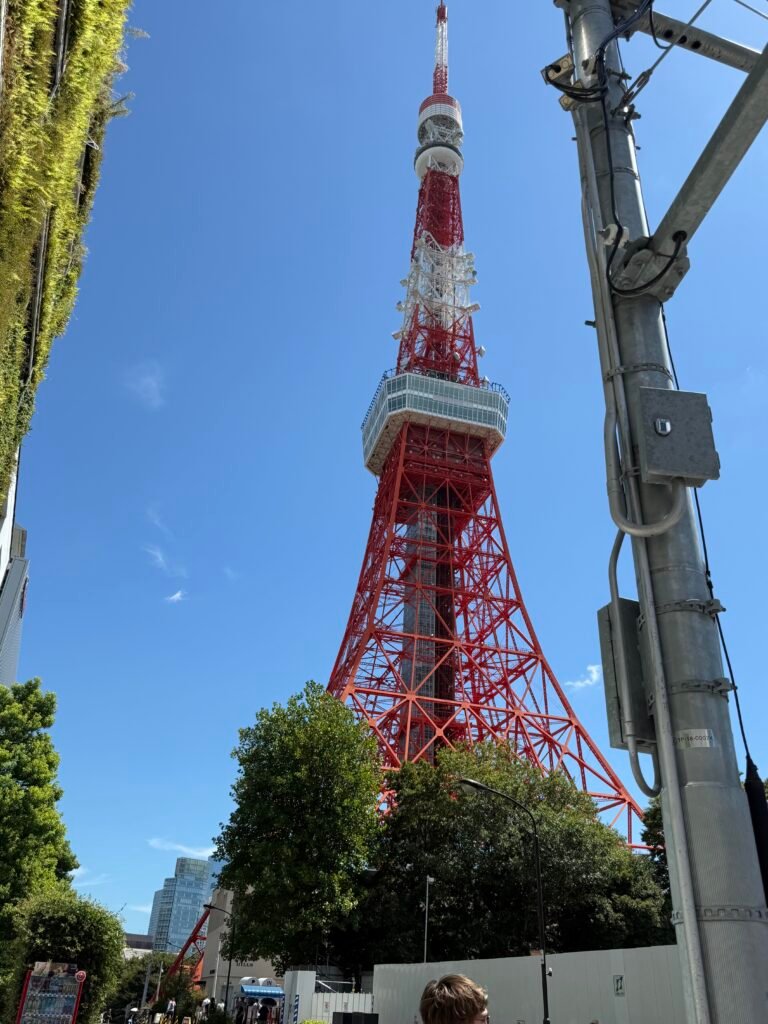
This one ranks so high for us personally because of the incredible city views. Being able to see Tokyo from all angles, learn the history of the tower itself, and somehow discover my now all-time favorite dessert snack, Tokyo Bananas, made it even more special. We even found them back home later and still try to keep them stocked whenever we can. Growing up, you always hear about this tower, but seeing it in person is truly next level. The staff were incredibly polite, cheerful, and helpful, which instantly put a smile on my face. Inside, there are shops on the lower levels and a few cute cafés where we grabbed ice cream and, of course, another coffee.
Quick History Summarized: Tokyo Tower was completed in 1958 as a symbol of Japan’s postwar recovery and rapid modernization. Inspired by the Eiffel Tower but built taller, at the time, it was designed to represent hope, resilience, and economic growth. Beyond being a landmark, the tower has played an important practical role as a broadcasting tower for television and radio signals across the Tokyo region. Today, while newer towers handle most broadcasting, it remains a beloved cultural icon, representing both Japan’s history and its enduring spirit.
#1 Studio Ghibli Museum
Image shows exterior entrance of the Studio Ghibli Museum.
Although the Studio Ghibli Museum is about 50 minutes from central Tokyo by metro, it was our number one must-see during the trip. Located northwest of the city, the museum sits in a quiet neighborhood beside a beautiful nature park filled with walking trails and open public spaces. We loved seeing locals out exercising and enjoying the greenery. Even before you step inside, the exterior of the museum reflects the imagination of its creator.

The interior of the museum feels warm, whimsical, and intentionally maze-like. Curved hallways, narrow staircases, and unexpected turns encourage you to wander freely rather than follow a set route. Soft, earthy colors, textured walls, and natural light give the space a cozy, storybook feel. Stained glass windows featuring characters and scenes from Ghibli films glow throughout the building, while wooden beams, iron railings, and tiled floors add to the handcrafted charm.
Another highlight is the private film screening room, where exclusive short films created by Studio Ghibli are shown throughout the day. These films can only be seen inside the museum and rotate periodically, making the experience feel extra special. The small theater adds to the intimate, magical feeling of the museum and gives visitors a rare glimpse into stories that exist nowhere else. Note, photos are not allowed to be taken inside, so we have no official photography to show.
Image shows the front of the Straw Hat Cafe.
On the first level outside, you’ll also find the Straw Hat Café, a cozy themed café inspired by My Neighbor Totoro. It’s a great spot to slow down and enjoy simple cup of coffee, sandwiches, and desserts that feel just as thoughtful as the rest of the museum. The café fits seamlessly into the atmosphere, making it feel like a natural extension of the experience rather than a typical museum café.
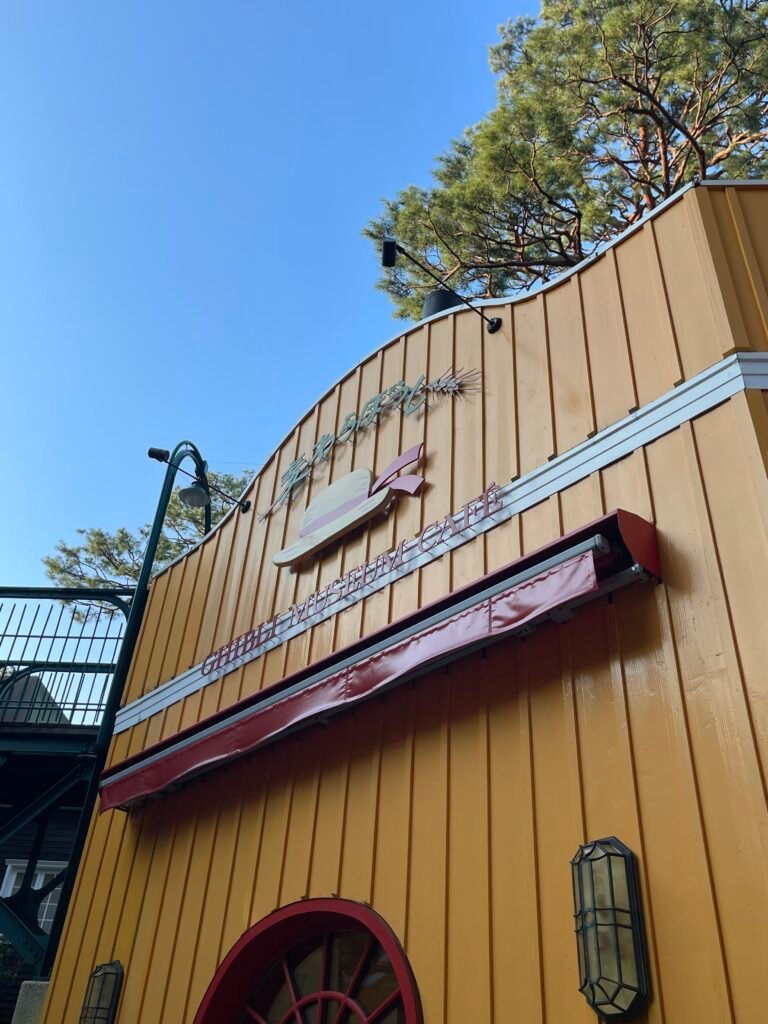
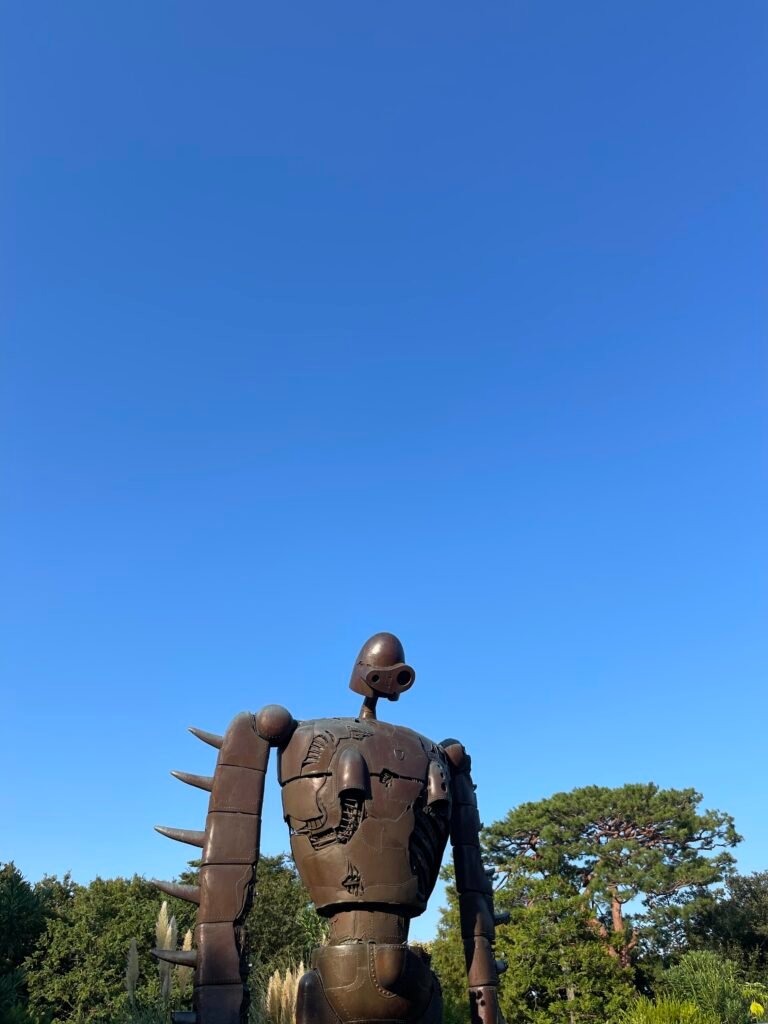
Image shows the Robot Solider with the sky above.
High above it all, atop the museum, accessible only by a spiral metal staircase, stands the iconic Robot Soldier from Castle in the Sky. Weathered and covered in greenery, the statue blends nature and machinery in true Ghibli fashion. Set in a quiet rooftop garden, it feels like a peaceful guardian watching over the museum and is one of the most unforgettable moments of the visit.
Overall, seeing this in person felt surreal and was the perfect cherry on top of the experience. Taking the metro away from the towering city buildings and into quieter, more “countryside-like areas” gave us a deeper sense of what Japan is really like. The nature, calm atmosphere, and warmth of the local community felt even stronger there.
Leave a Reply