What we learnt after visiting Tokyo, Japan
The Good
One of the best things we experienced in Japan was the culture, the people, and how seamlessly everything feels connected, from technology to nature.
Culture & people: Japanese culture is deeply woven into everyday life, especially in the cities. There’s a strong sense of respect, order, and consideration for others that you feel almost immediately. People are polite, patient, and welcoming, often greeting you with a smile. If you make an effort to follow local customs, respect shared spaces, and even attempt the language in a sincere way, that respect is clearly returned. Small actions matter here, and the culture places real value on harmony, courtesy, and awareness of those around you.
People’s etiquette in Tokyo was incredibly thoughtful and respectful. On public transit, we often saw young people and men stand up so women and elderly passengers could sit. Small acts like this were common and made the city feel polite, calm, and considerate.


City, technology & nature: Tokyo is designed in a way that feels surprisingly balanced. Modern skyscrapers rise around green parks and historic temples, but it never feels overwhelming or chaotic. Stepping into a park or temple often feels like leaving the city entirely, as if you’ve wandered to its outskirts. Inside the temples, monks quietly worship while locals stop in throughout the day to bow, pray, and give thanks, creating a calm, reflective space that exists right alongside the fast pace of city life.


The Bad and the Ugly
One of the biggest downsides we noticed was the density of the city (around high tourist and population density locations), which can feel extremely overwhelming at times, especially during peak commuting hours. The metro and train system gets intensely crowded, with people packed together shoulder to shoulder, very much like a can of sardines. This is largely because the vast majority of the population relies on public transportation to get to and from work.
Tokyo is known for its strict work culture and punctuality, which adds pressure to the daily commute. Being even a few minutes late can have serious consequences, so during rush hour, everyone is moving with urgency and purpose. Peak metro times are typically 7:00–9:30 AM, 11:30 AM–1:30 PM, and 5:00–7:30 PM, and during these windows, the trains can be especially intense.
We experienced moments where we were lightly and accidentally shoved as people rushed to board or exit trains. It wasn’t aggressive, just the reality of trying to move large crowds through tight spaces efficiently. As tourists, being in the way during these times is honestly on us. If you’re visiting Japan for the first time, it’s best to avoid the metro during peak hours if you can. Once you’re more familiar with how the system works, including boarding etiquette, exits, and using tools like Google Maps, navigating these busy periods becomes much easier.
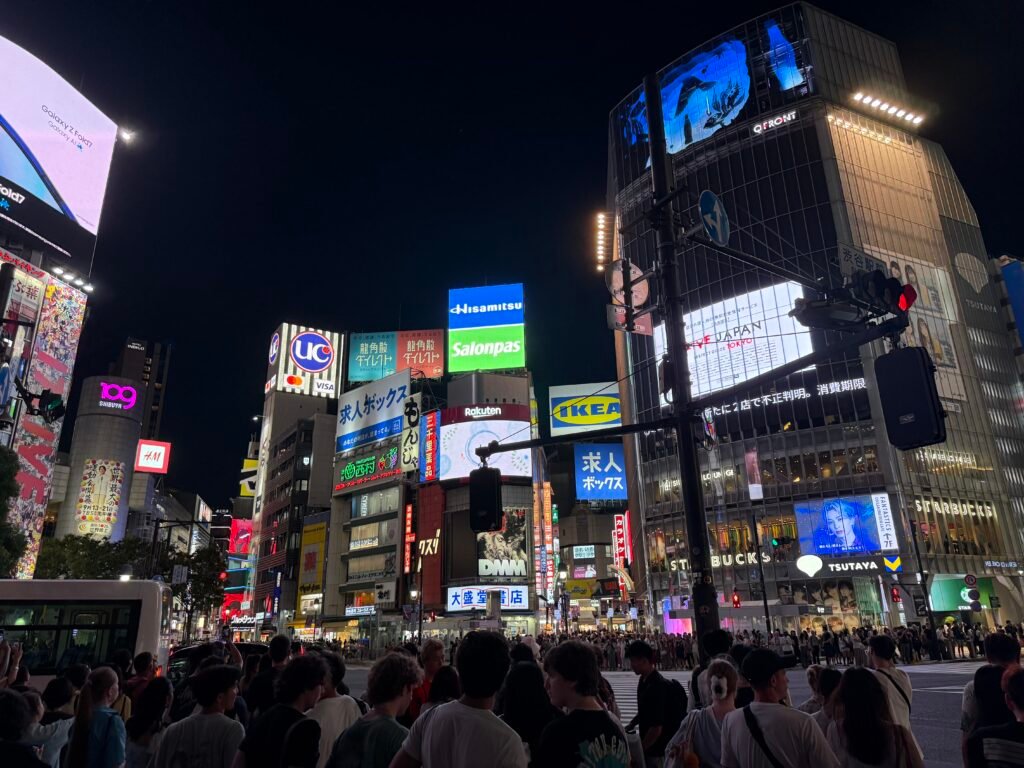
When it comes to how busy certain places can be, walking traffic in key tourist areas is a major factor to keep in mind. Popular spots naturally attract constant foot traffic, but some locations feel especially intense. Shibuya Crossing was by far the most crowded area we experienced. We went around 8 PM on a weekday in September, which is considered one of the lower tourist seasons, and it was still overwhelmingly busy. The sheer number of people moving in every direction made walking slow and difficult, and this was made worse by tourists stopping in the middle of the crossing to take photos and videos. We tried our best to simply walk straight across and keep moving, but as you can see from the video below, it was a little busy.
To Keep in Mind
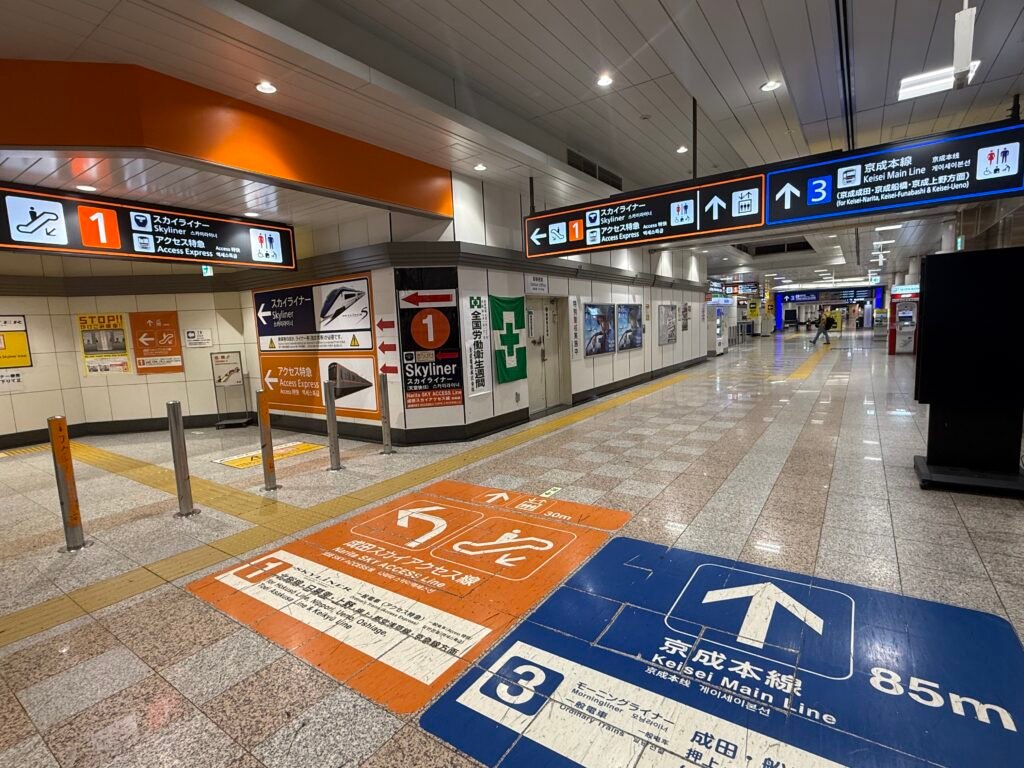
Image shows the NRT airport train terminal during non-peak hours (6 AM)
That all being said, during non-peak hours, the stations and top locations can be surprisingly calm, often barely occupied, and very easy to navigate. It’s just finding the perfect time.
If you’re traveling to Tokyo for the first time and feeling nervous about rush hours and crowded streets, try to plan your days around non-peak times when possible. Avoid trains between 7:00–9:30 AM, 11:30 AM–1:30 PM, and 5:00–7:30 PM, especially at major stations. Walk with purpose, stay aware of your surroundings, and avoid stopping in busy pathways. Tokyo also has extensive underground walkways connecting stations, shops, and neighborhoods, which are great alternatives for moving through the city more calmly. Using Google Maps and allowing extra time can make navigating Tokyo feel much less stressful.
Overall, Japan became one of my personal favorite places we’ve ever traveled to, and it’s a destination that has truly stayed with me. The experiences, the culture, and the feeling of being there continue to live in my thoughts long after leaving. We barely scratched the surface, especially outside of Tokyo, and it only made us want to come back even more. We hope to return someday to slow down, learn more, and explore other regions of the country that we didn’t get the chance to see this time.
Leave a Reply