
When you go to Japan, there is one thing you absolutely have to get, and that is a Japan transportation card, also known as an IC card. It might sound simple, but this small card will make your entire trip so much easier. While it is mainly used for trains and buses, it can also be used at convenience stores, vending machines, and even some restaurants. You will end up using it multiple times a day.
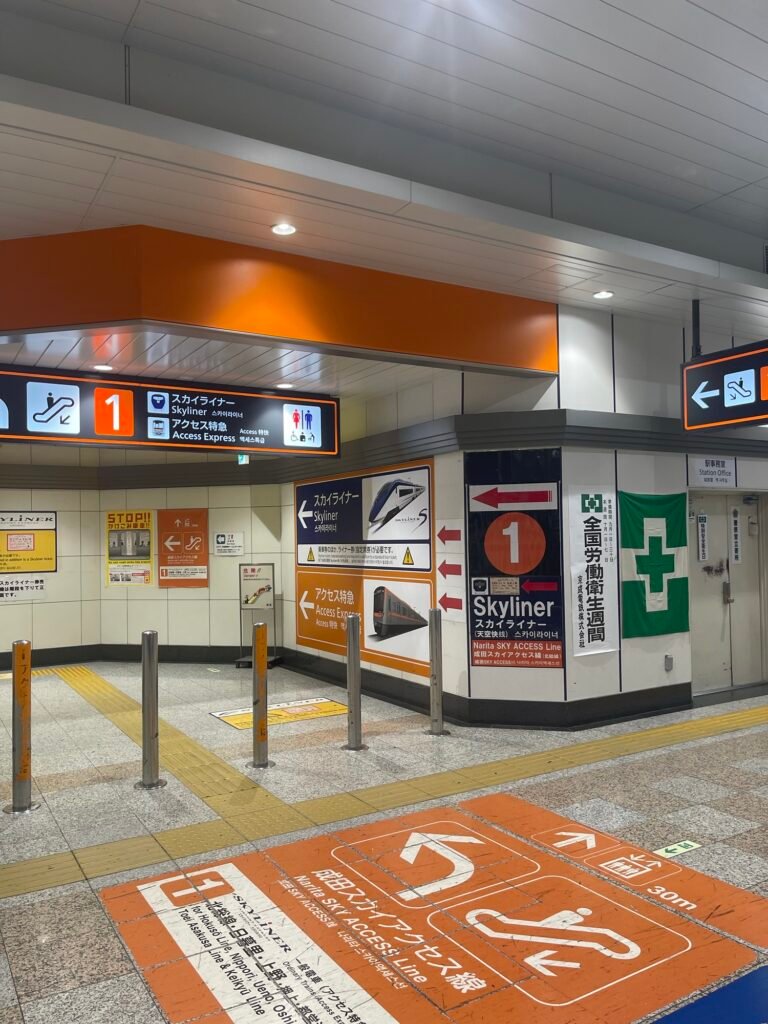
There are two main transportation cards travelers will hear about when planning a trip to Japan: Pasmo and Suica.
The PASMO card is issued by private railway and subway companies in the Tokyo area. Recently, Pasmo integrated with Apple Wallet, making it incredibly easy to use. You can add it directly to your phone and even set it up before you leave for your trip. This is a great option if you want a fully digital experience and prefer using your phone instead of carrying a physical card.
The other option is Suica, which is issued by JR East, the main rail company that operates many of the major train lines in Tokyo and eastern Japan. For visitors, there is a special version called the Welcome Suica. It works just like a regular Suica card but is designed specifically for tourists. It does not require a deposit and is valid for a limited time, which makes it ideal for short trips.
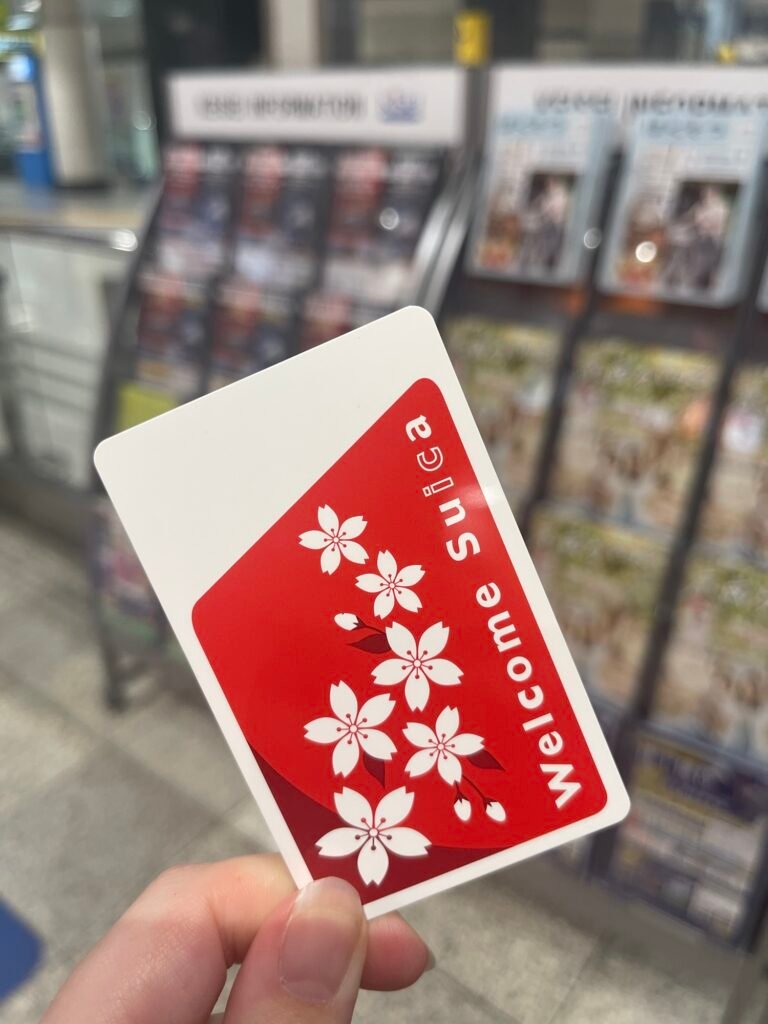
Holding my Welcome Suica card in Japan, one of the easiest ways for travelers to use trains, subways, vending machines, and shops throughout the country.
When my husband and I traveled to Japan for our wedding trip, we flew into Narita International Airport. After landing, we went straight to the train area, where there were multiple booths and machines to purchase transportation cards. I really wanted a physical card as a keepsake, so I used one of the machines to buy a Welcome Suica card. Within minutes, we were ready to hop on the train and start exploring Japan.
Using Your IC Card for More Than Transportation
One of the biggest surprises for many travelers is that your Japan transportation card is not just for trains. These cards work like a prepaid payment card and are accepted all over Japan for everyday purchases.
You can use your IC card at:
Vending machines Convenience stores like 7-Eleven, FamilyMart, and Lawson Airport shops and kiosks Some cafés, casual restaurants, and souvenir shops
If a location accepts IC card payments, you will usually see a symbol showing Suica, Pasmo, or other IC cards near the register or vending machine. When you see that symbol, you can simply tap your card or phone to pay.
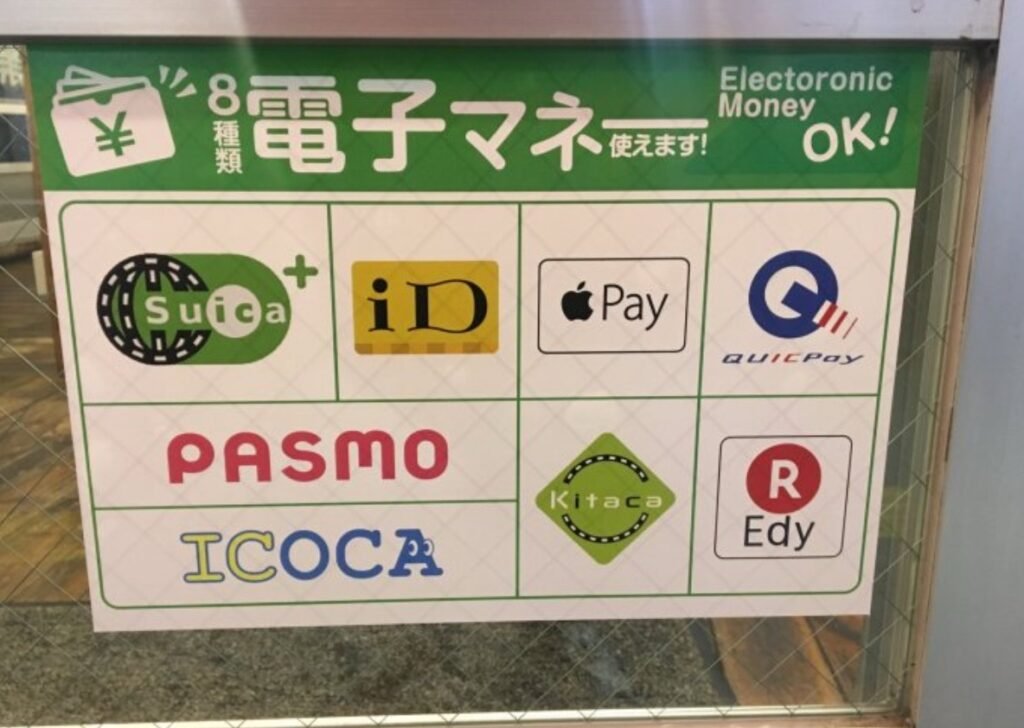
Look for the IC card payment symbols like Suica and Pasmo at vending machines, convenience stores, and shop registers across Japan.
Pros and Cons of Each Transportation Card
Pasmo (Digital)
Pros:
Can be added to your phone before your trip No physical card to lose Easy to reload digitally
Cons:
Requires a compatible smartphone No physical souvenir
Welcome Suica (Physical)
Pros:
Easy to buy at airports and major stations No deposit required Fun physical keepsake from your trip
Cons:
The card does expire Any remaining balance cannot be refunded or transferred
A Personal Tip About Welcome Suica Expiration
One important thing to know about the Welcome Suica card is that it does expire. If you try to save it for your next trip to Japan, it will not work, and there is no way to get the remaining money back once it expires.
When I first got the card, I didn’t realize this. Luckily, I didn’t have that much money left on it by the end of our trip. The good news is that you can use the card for much more than just transportation.
Before heading home, I used my Welcome Suica card at the airport to buy breakfast, picked up a manga as a souvenir, and grabbed a few bottles of water from the vending machines. It was such an easy way to use up the remaining balance instead of letting it go to waste.
Another helpful thing to know is that if you don’t have enough money left on the card to cover a purchase, you can still use it. For example, if you only have ¥50 left on your card but the item costs ¥100, you can use the card first and then pay the remaining amount with cash or another payment method. That way, you can truly use every last yen on the card and leave with a souvenir instead of unused balance.
Which Transportation Card Should You Choose?
If you prefer convenience and want everything stored on your phone, Pasmo is a great option. It is easy to set up, simple to reload, and works seamlessly for transportation and everyday purchases.
If you like having a physical card or want something easy to grab as soon as you land, Welcome Suica is perfect. Just make sure to use up the balance before you leave Japan so nothing goes to waste.
No matter which option you choose, having a Japan IC transportation card will make navigating trains, subways, and daily purchases smoother and far less stressful. It is one of the best travel tips for Japan and something I recommend to every first-time visitor.
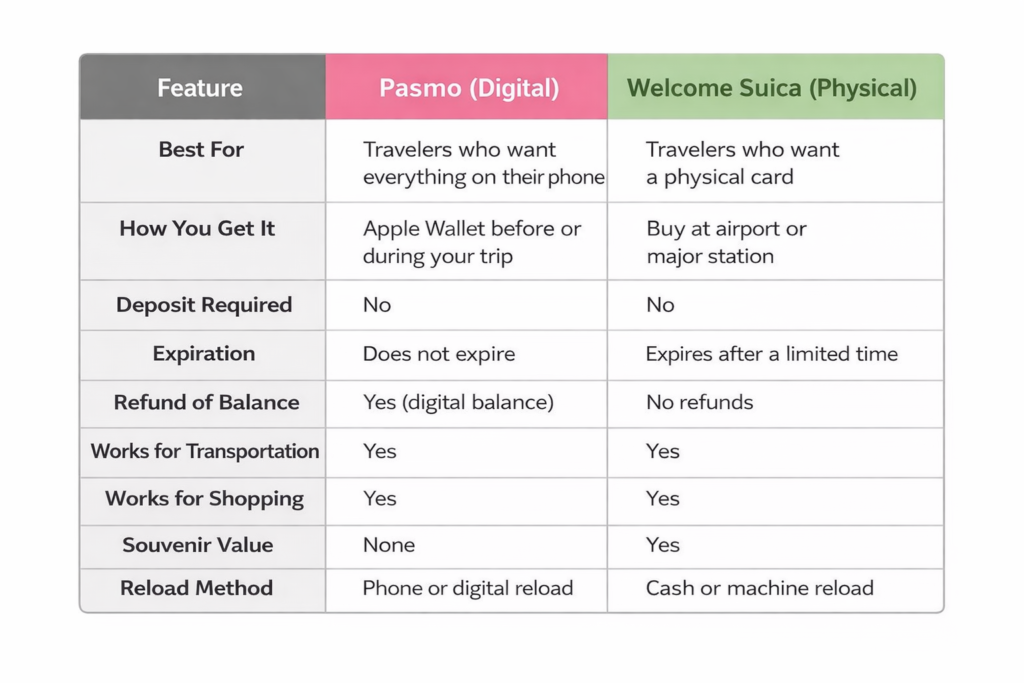
Suica vs Pasmo comparison chart showing the differences between Japan transportation cards, including expiration, refunds, and how to use each card for travel and shopping.

Leave a Reply