
One of the most common questions I get about traveling to South Korea is: how much should you actually budget for two weeks?
I recently shared a YouTube video breaking down our real costs from traveling to South Korea for two weeks, and I wanted to turn that information into a blog post so you can either watch the video or read the full breakdown here.
👉 Watch the full video here:
Below is our honest, real-life budget based on traveling from Florida, including flights, hotels, food, transportation, and extras.
Our Total Budget for Two Weeks in South Korea
For a two-week trip to South Korea, I recommend budgeting around $5,000 total when traveling from Florida. About half of that budget went toward flights, which is often the biggest expense.
This number can vary depending on where you’re flying from, the time of year, and how flexible you are with travel dates, but this gives you a solid, realistic starting point.
✈️ Flights to South Korea
Our round-trip flights from Florida cost $2,500.
Flight prices to South Korea vary a lot depending on location and flexibility. I highly recommend using tools like Skyscanner and being flexible with dates when possible. Even shifting your trip by a few days can sometimes save hundreds of dollars.
Flights will almost always be the largest line item in your Korea travel budget.
🏨 Accommodation Costs
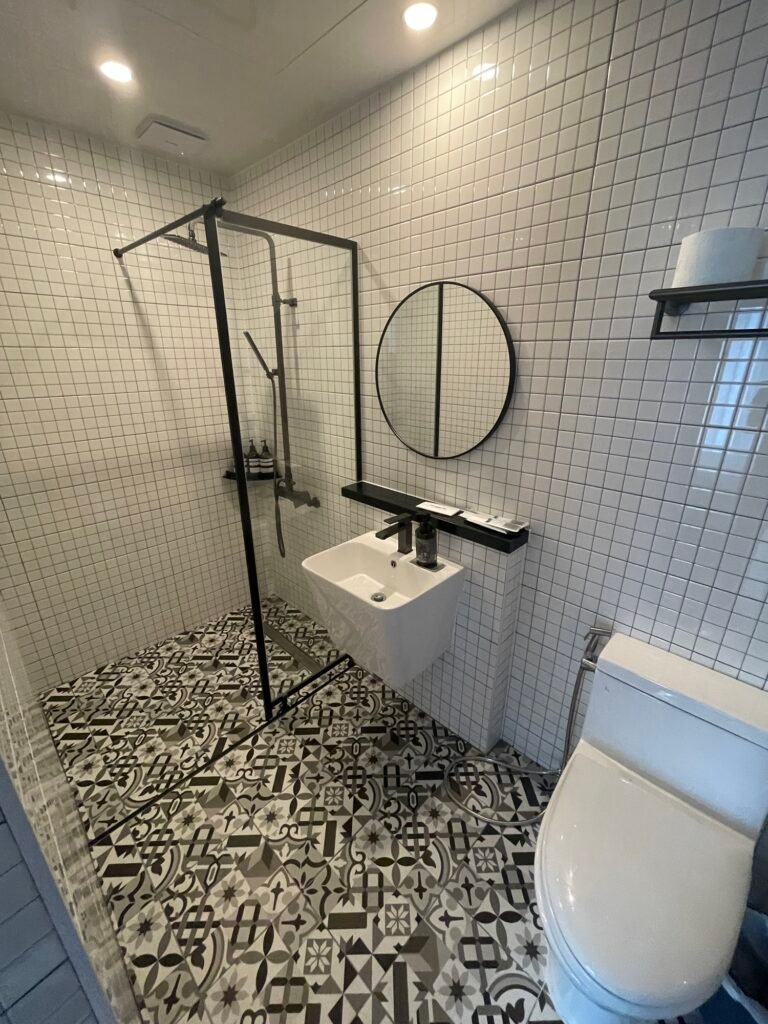
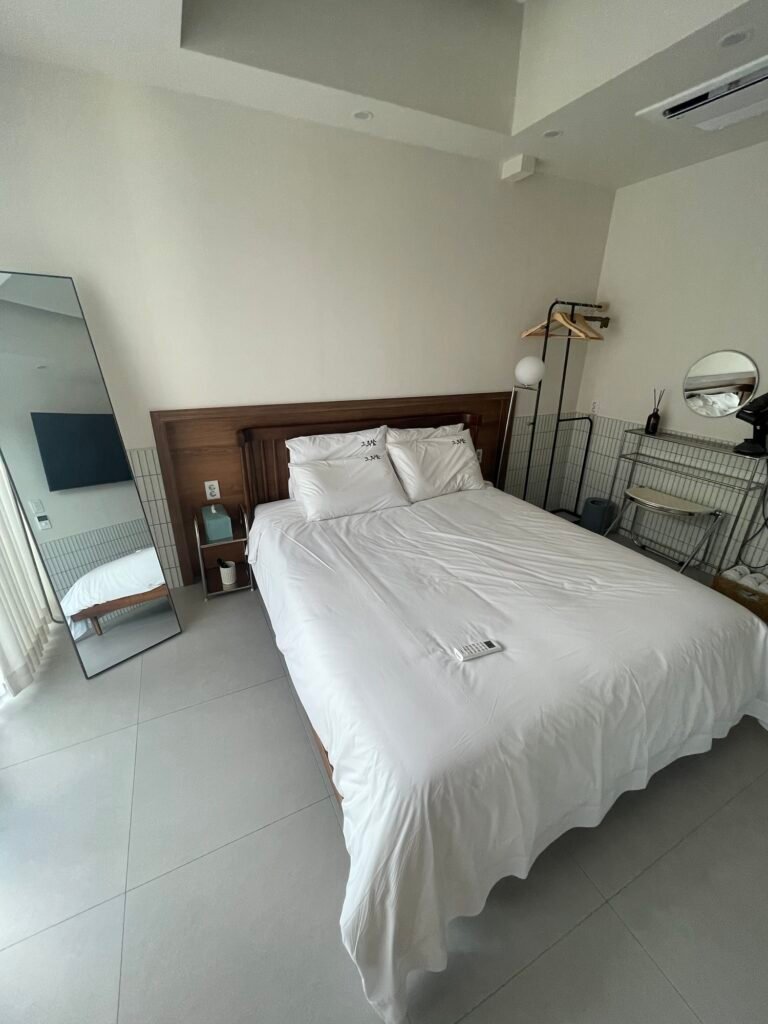
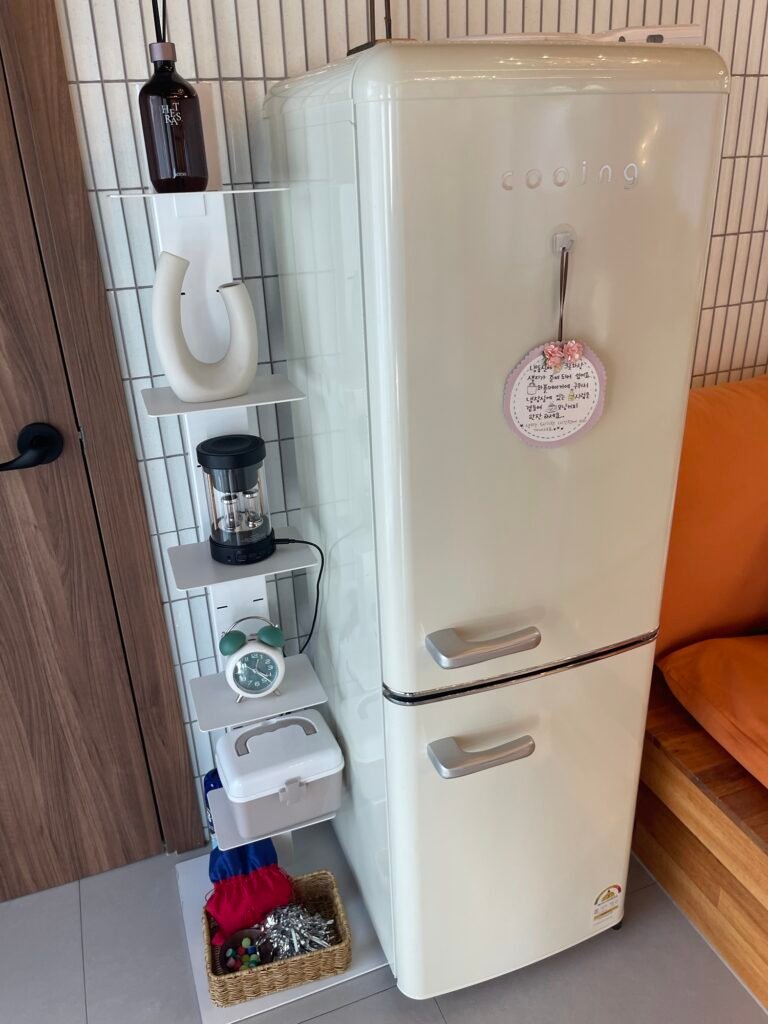
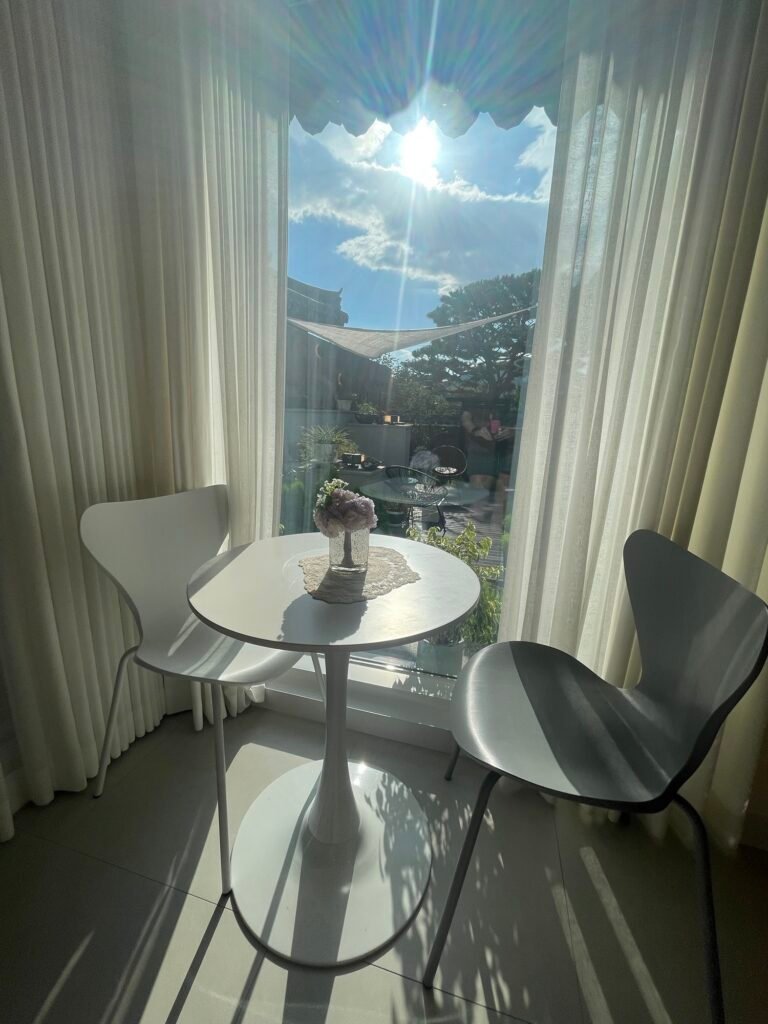
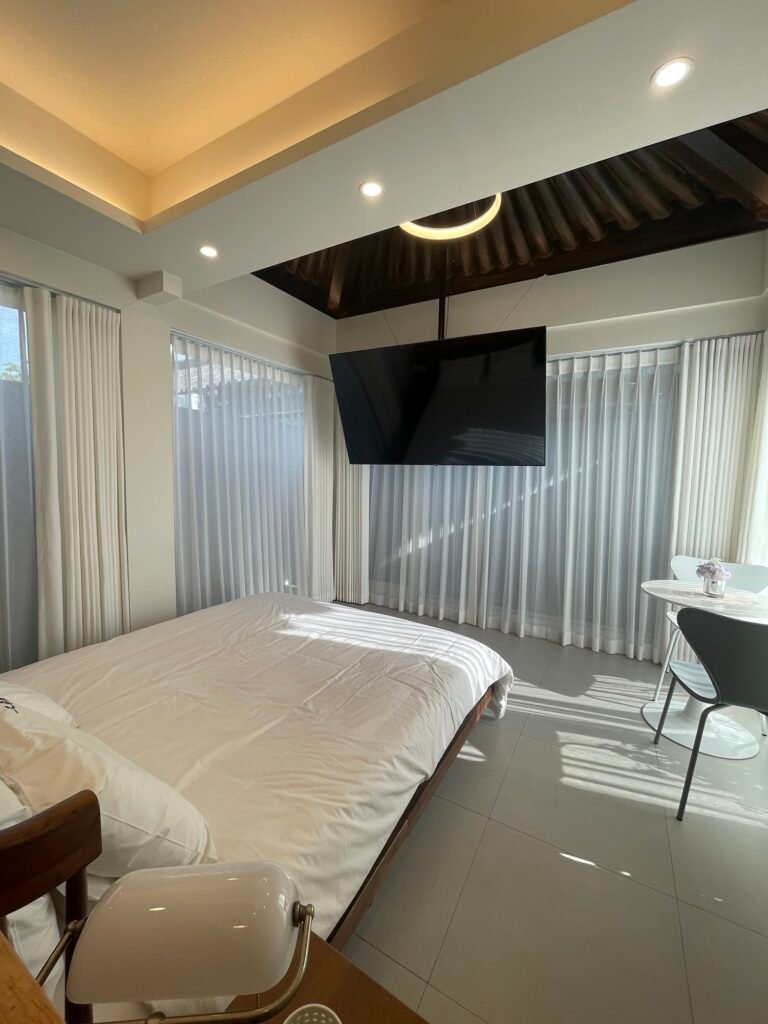
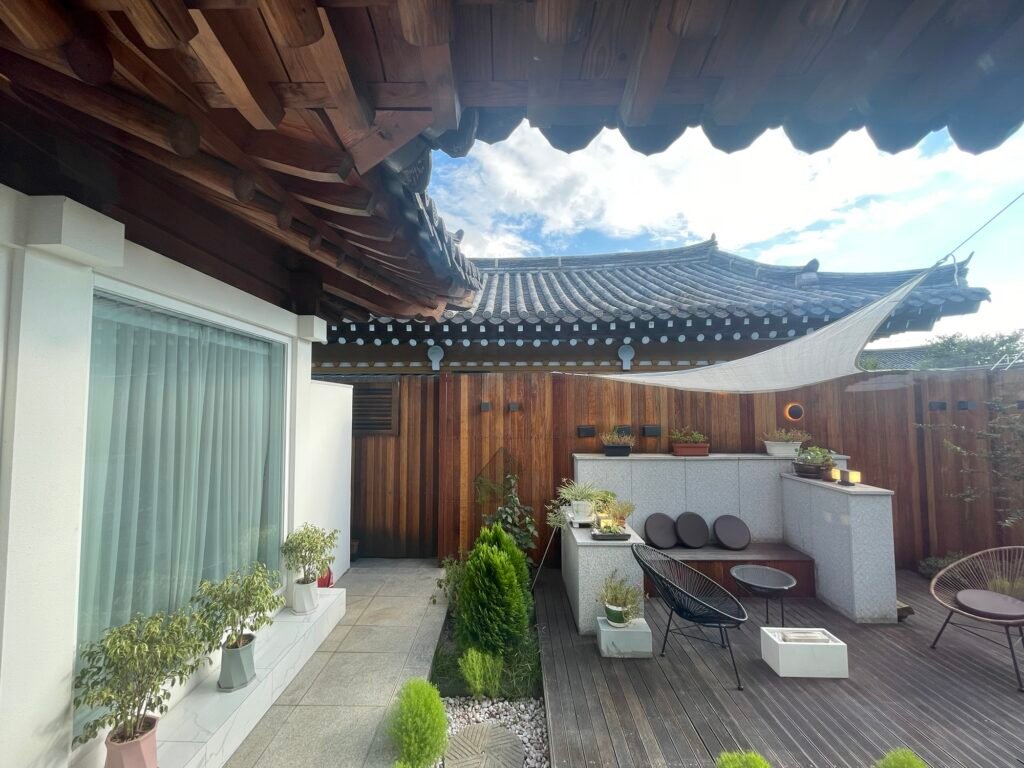
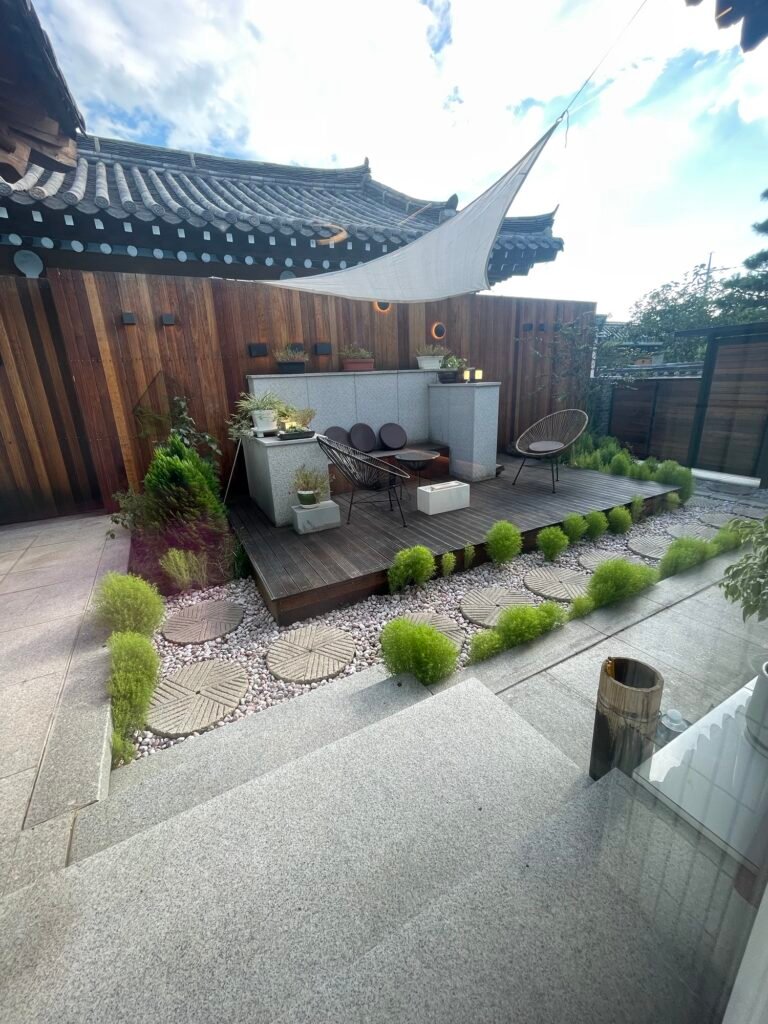
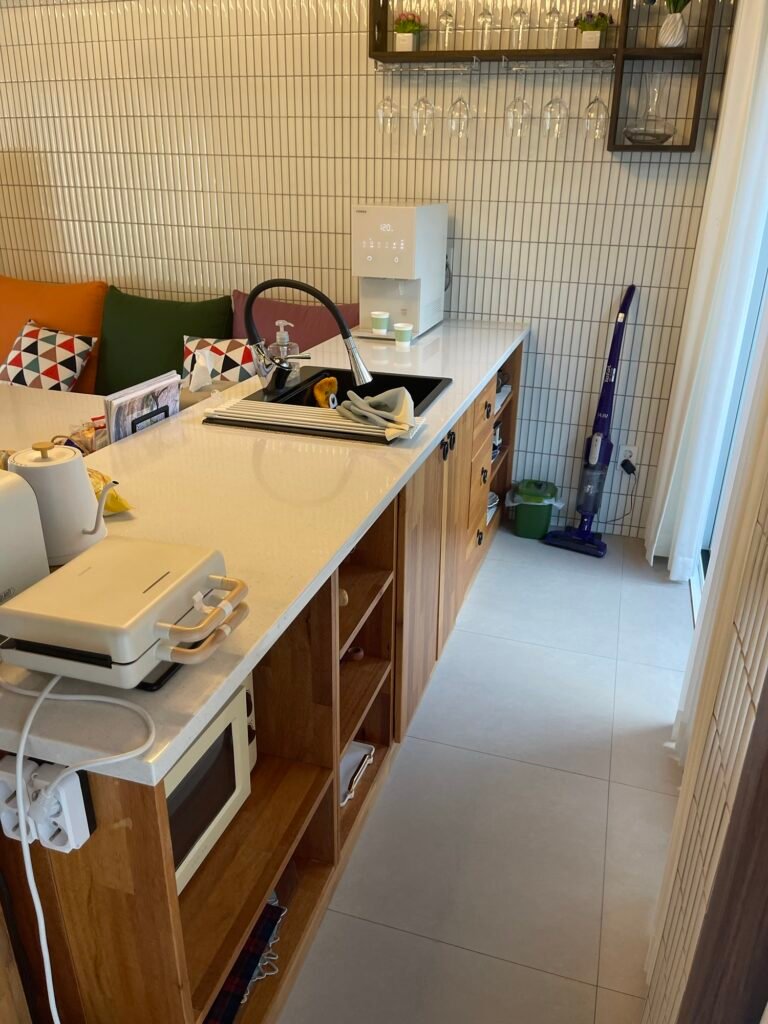
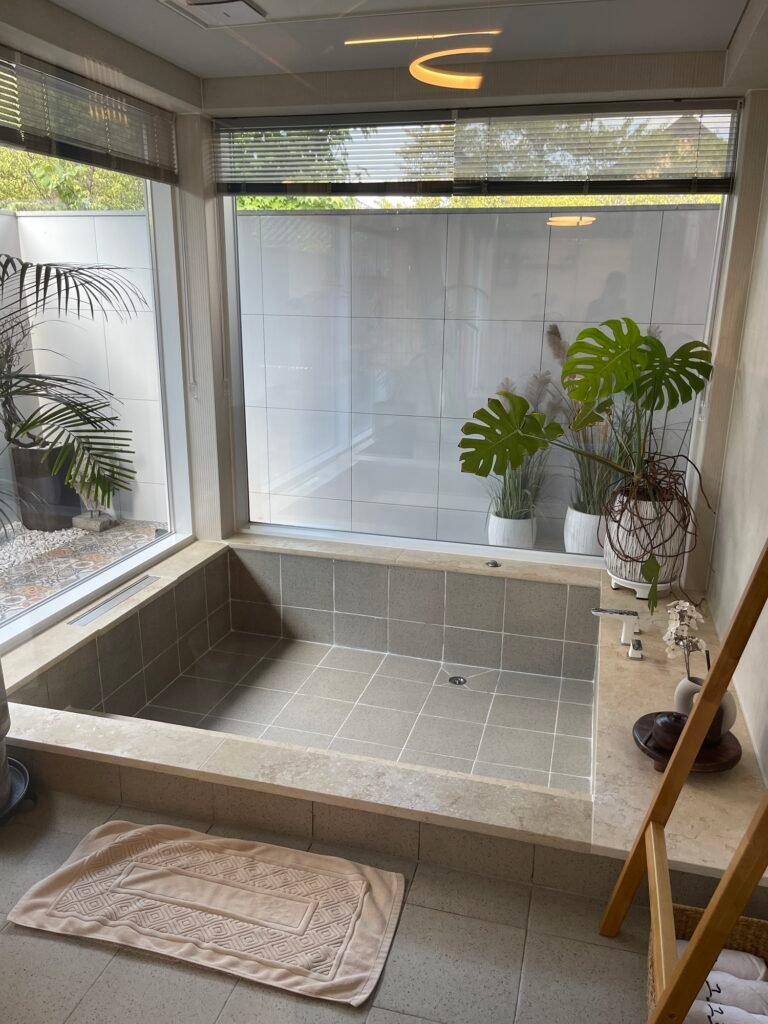
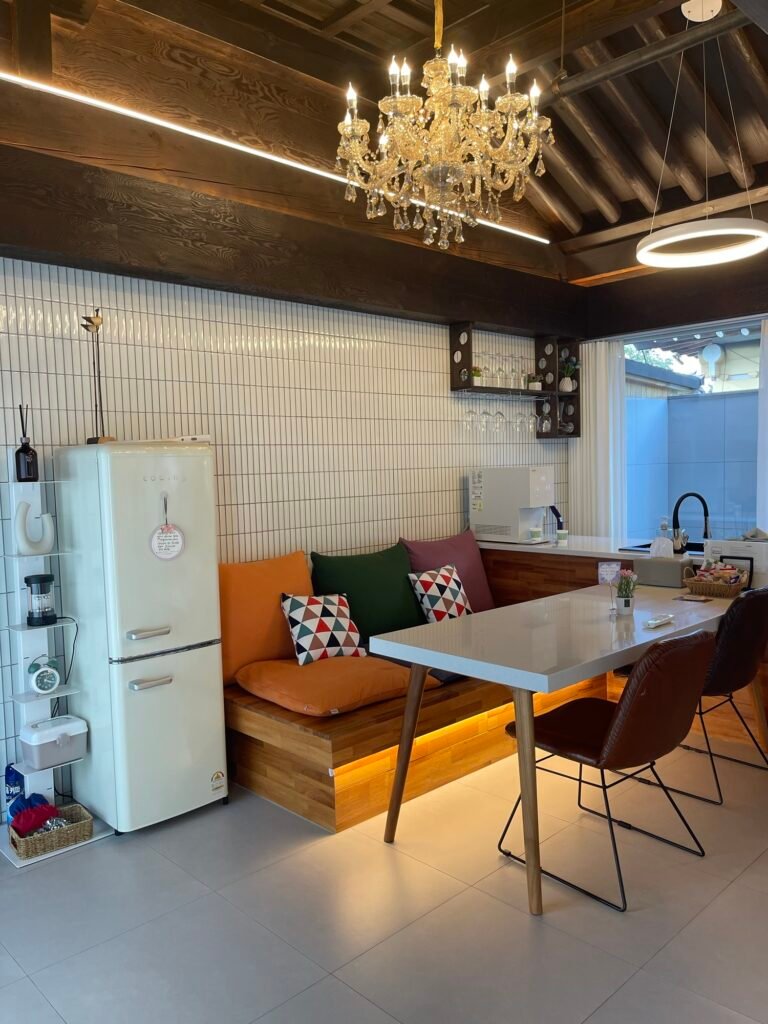
For accommodations, we averaged about $100 per night.
My biggest tip is to book a hotel for your first and last nights of the trip. This makes airport transfers much easier, especially after long flights. For the rest of the trip, we stayed in Airbnbs, which were more affordable and had a cozy, home-like feel.
This mix worked really well for us and kept lodging costs reasonable without sacrificing comfort.

🍱 Food and Drink Budget
On average, we spent about $30 per day on food and non-alcoholic drinks.
Casual dining and street food in South Korea is very affordable. Many meals cost $3–$6, especially if you eat local food or grab quick bites.
We also used convenience stores like CU frequently, especially for breakfast. Many cafés open later in the morning, so convenience stores are a great budget-friendly option.

🚆 Transportation Costs
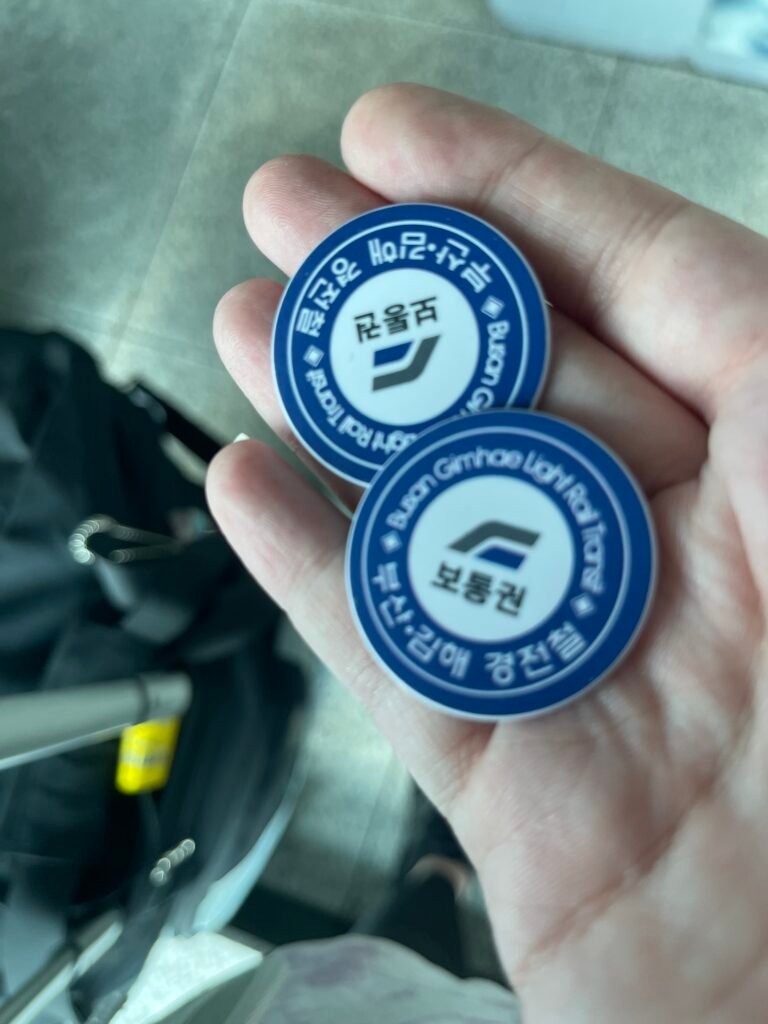
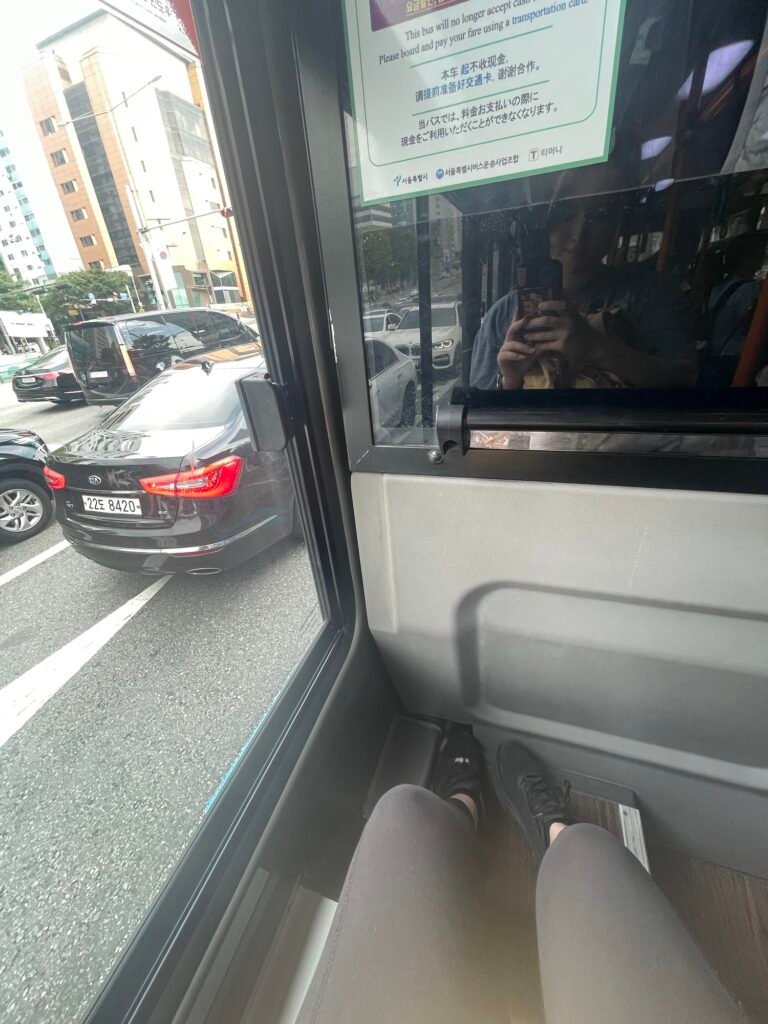
For daily transportation, we budgeted $3–$6 per day using a T-Money card or CU card for buses and subways.
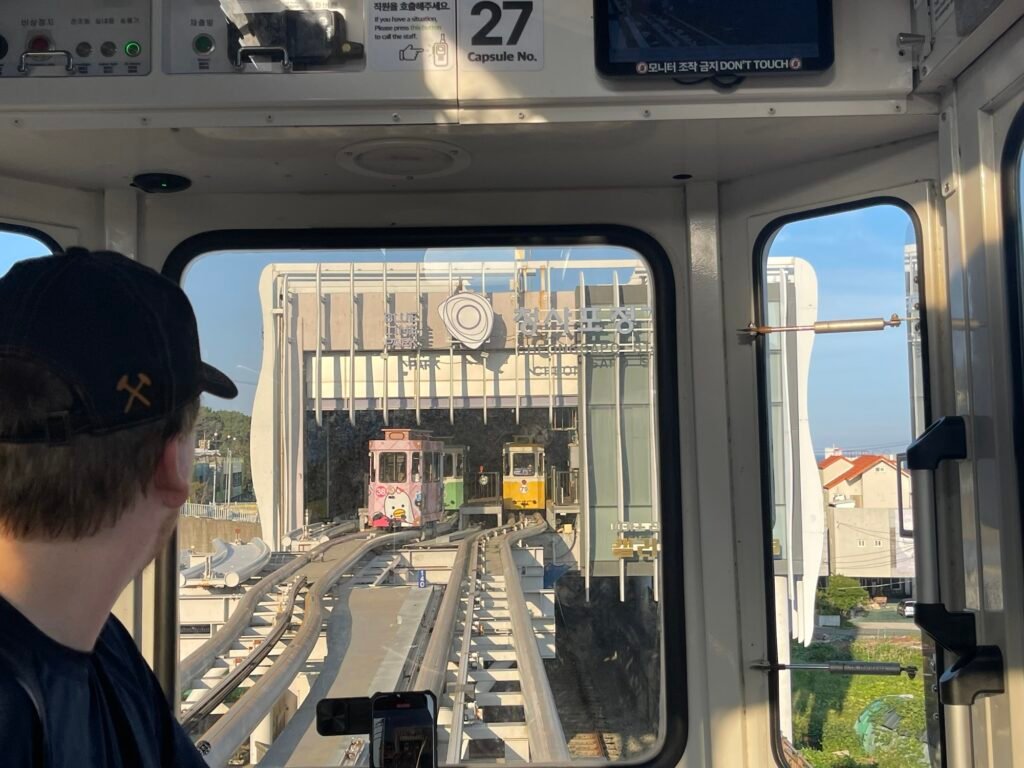
Public transportation in South Korea is clean, reliable, and inexpensive, especially within cities like Seoul.
For longer distances between cities, KTX high-speed trains typically cost $40–$60 one way, depending on the route. These trains are fast and very worth it if you’re traveling between major cities.

📶 Internet Access
Having internet access is essential for navigation, tickets, and translations.
We highly recommend budgeting $3–$5 per day for either a pocket Wi-Fi rental or an eSIM. This made getting around and planning on the go much easier.
🛍️ Extras, Activities, and Souvenirs
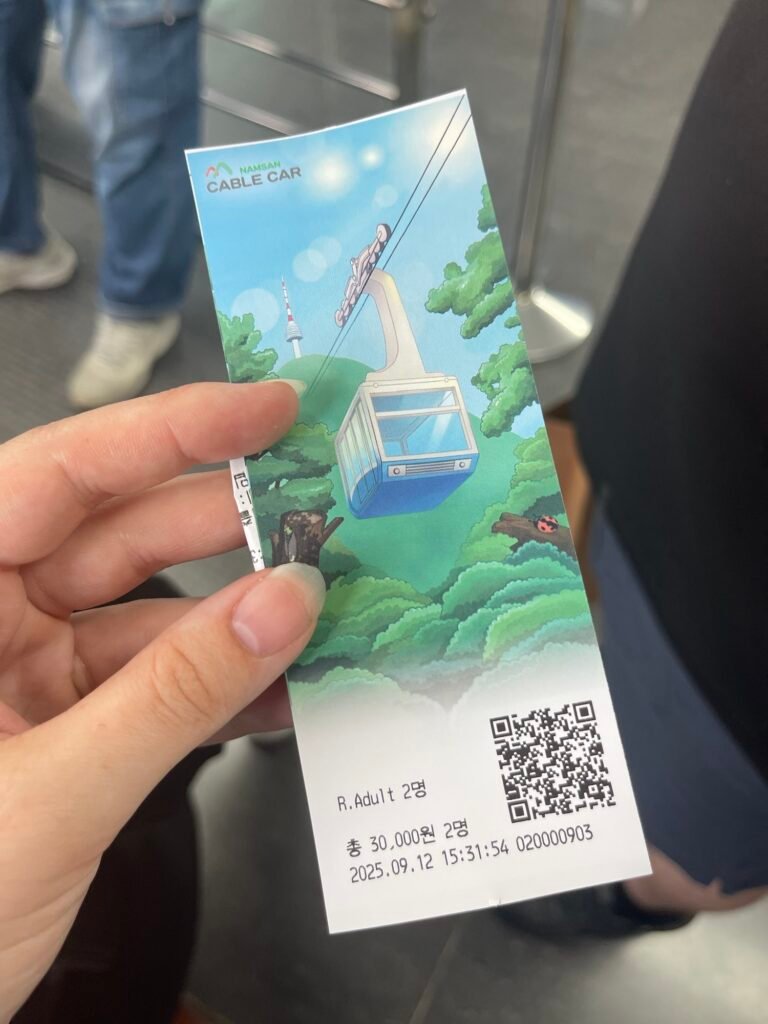
Initially, I budgeted $700 for extras like activities, souvenirs, and shopping. In reality, we only spent about $300.
For most travelers, I recommend budgeting $200–$300 for extras, adjusting upward if you plan to shop heavily for skincare, makeup, or fashion.


💰 Our Realistic Two-Week South Korea Budget Summary
Here’s a quick overview of our actual spending:
Flights: $2,500 Accommodations: ~$100 per night Food and drinks: ~$30 per day Transportation: $3–$6 per day KTX trains (when needed): $40–$60 one way Internet access: $3–$5 per day Extras and souvenirs: ~$300
👉 Recommended total budget: Around $5,000 for two weeks
Tips to Save Money in South Korea
Be flexible with flight dates Mix hotels and Airbnbs Use public transportation instead of taxis Eat local food and street food Shop mindfully and budget extras ahead of time
South Korea can be surprisingly affordable, especially when you plan ahead and know what to expect.
Final Thoughts
Knowing how much to budget for a two-week trip to South Korea makes planning so much easier and far less stressful. With the right balance of comfort and flexibility, it’s possible to have an amazing experience without overspending.
If you want to hear more details and context around these numbers, make sure to watch the full YouTube video linked above, and feel free to save this post while planning your trip.