Traveling to South Korea for the first time is exciting, eye-opening, and sometimes a little overwhelming—in the best way. The country blends ultra-modern cities with deep traditions, and while it’s incredibly traveler-friendly, there are a few things that aren’t obvious until you’re already there.
This guide covers everything we wish we knew before our first trip—from WiFi and money to transportation, packing smart, and navigating cities with the right apps.
Getting a WiFi Pocket at the Airport
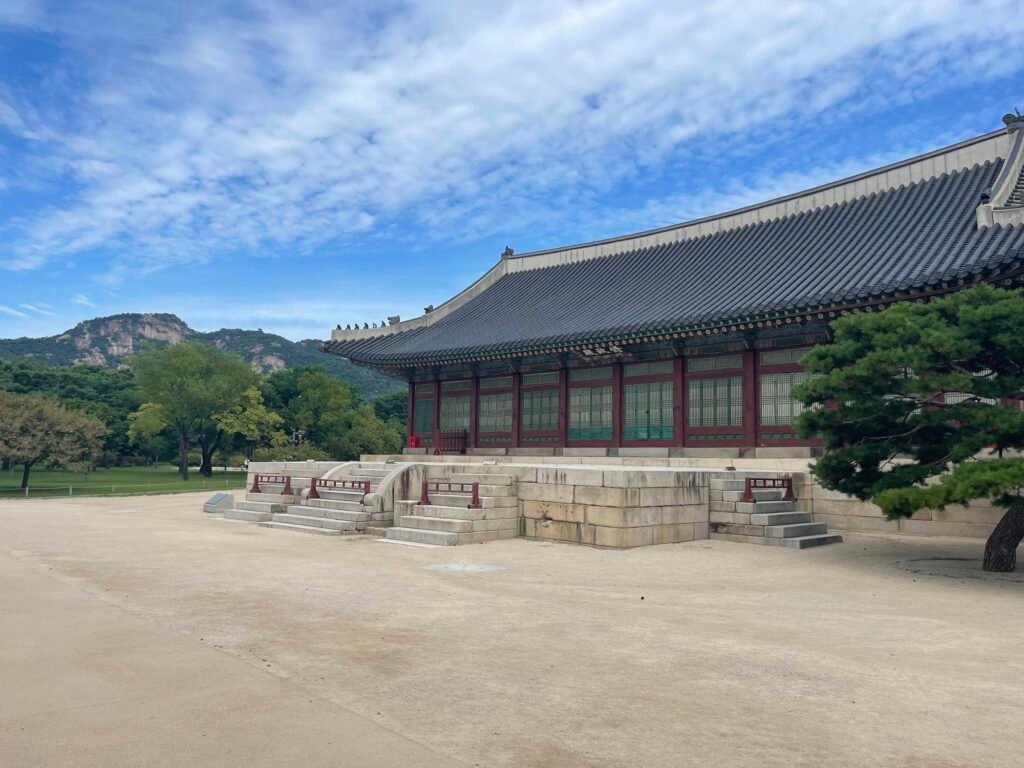
One of the first things you’ll want after landing is reliable internet. While free WiFi exists in many places, you’ll need data immediately for navigation, transportation apps, translations, and hotel directions.
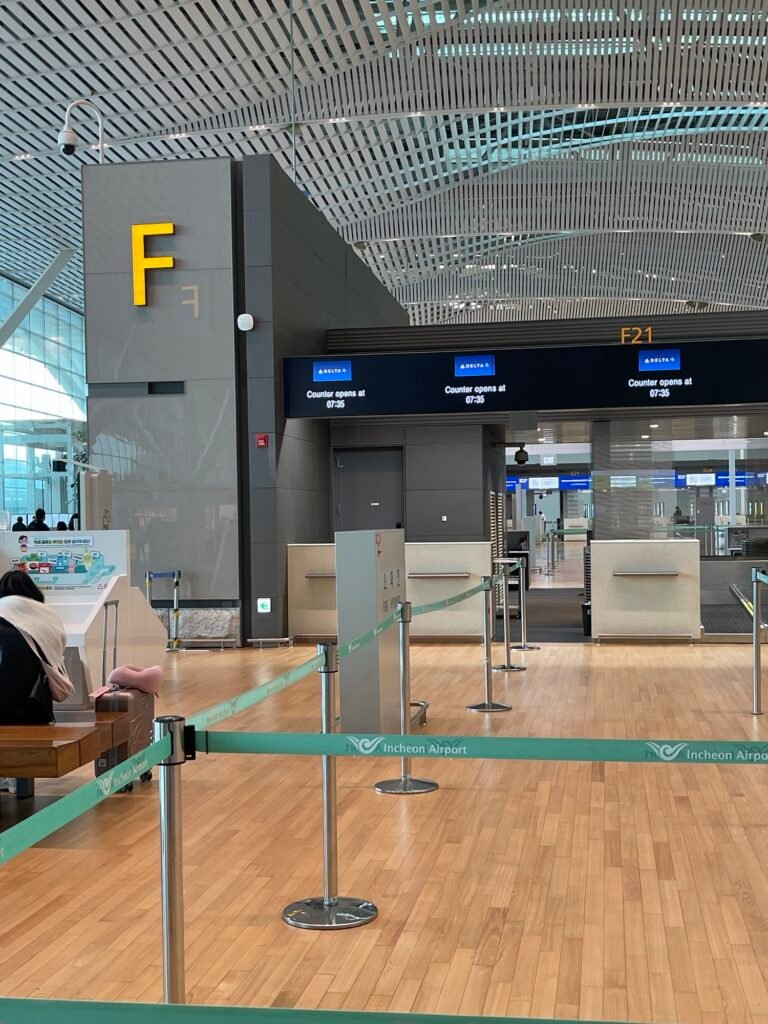
Pocket WiFi counters are easy to find at the airport, usually right after customs. Pickup and return are quick, and the connection is reliable throughout the country.
Why we recommend pocket WiFi:
Strong coverage, even outside major cities Connects multiple devices No SIM card swapping Works instantly upon arrival
Booking in advance is usually cheaper and saves time at the airport.
Money Exchange: Airport vs Local Banks (Plus the Wise Card)
South Korea still relies on cash more than many travelers expect, especially for street food, markets, and smaller shops.
Exchanging a small amount of money at the airport is convenient, but local banks typically offer better exchange rates once you’re in the city. Always bring your passport when exchanging money at a bank.
We also recommend using a Wise card. It works like a debit card, offers excellent exchange rates, and allows you to withdraw cash from Korean ATMs while tracking your spending easily.
Tip: Keep some cash on you at all times. Not every place accepts cards.
Getting a Public Transportation Card (We Used the CU Card)
Public transportation in South Korea is efficient, clean, and affordable, but you’ll need a transportation card to use it easily.
We purchased our card at CU, one of the most common convenience stores in the country. These cards can be used on subways, buses, and even taxis, and can be reloaded with cash at convenience stores or stations.
Having a transportation card saves time, money, and stress, especially during busy travel days.
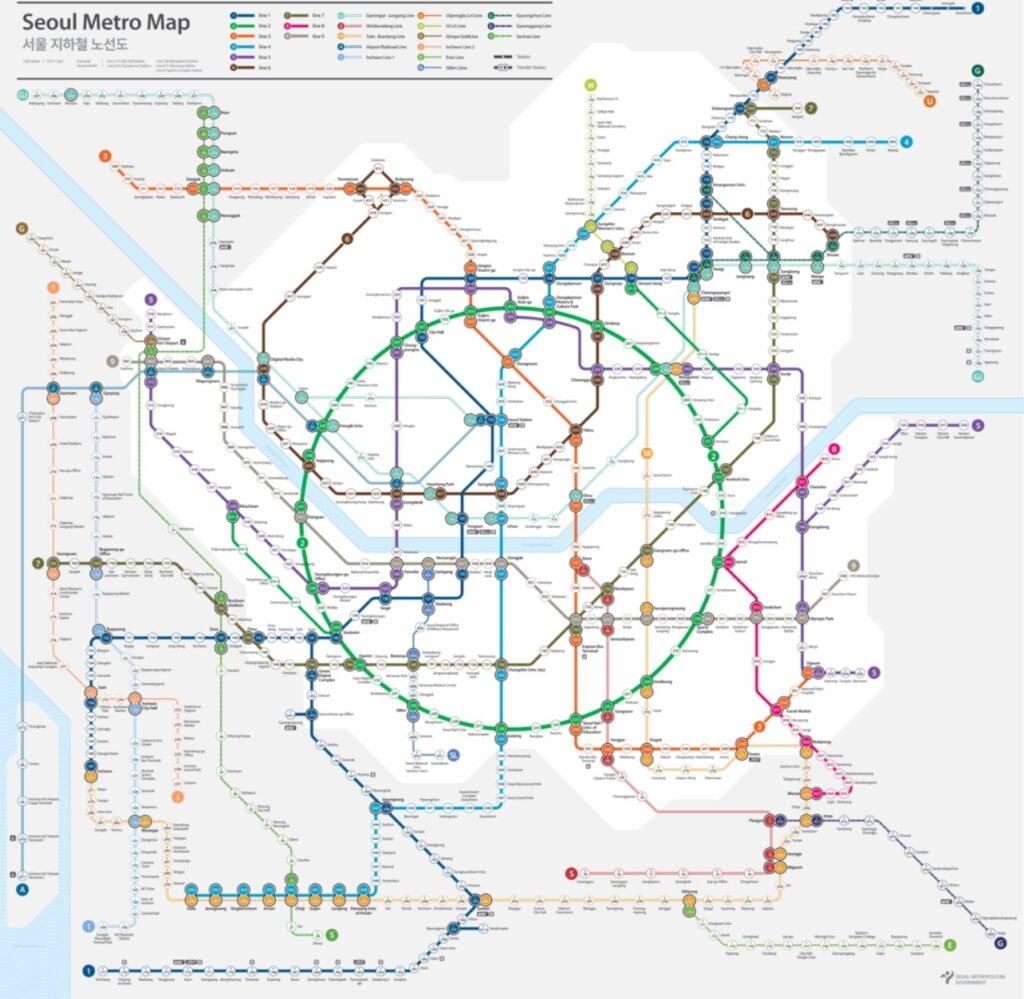
Getting Around & Using Naver Maps
Getting around South Korea is straightforward once you know which navigation tools to use. One important thing first-time travelers should know is that Google Maps does not work the same way in South Korea as it does in other countries. While it can show locations, it often struggles with walking directions, transit routes, and accurate timing.
Instead, locals rely on Naver Maps, and we highly recommend downloading it before your trip.
Naver Maps provides:
Accurate walking directions Real-time subway and bus routes Clearly labeled subway exits Precise bus stop locations Routes through underground walkways and side streets
We used Naver Maps daily, especially when walking between subway stations, finding cafés, and navigating busy neighborhoods. It works well in English, and you don’t need to speak Korean to use it effectively.
Google Maps can still be useful for saving locations or reading reviews, but for actual navigation, Naver Maps will make your trip significantly smoother.
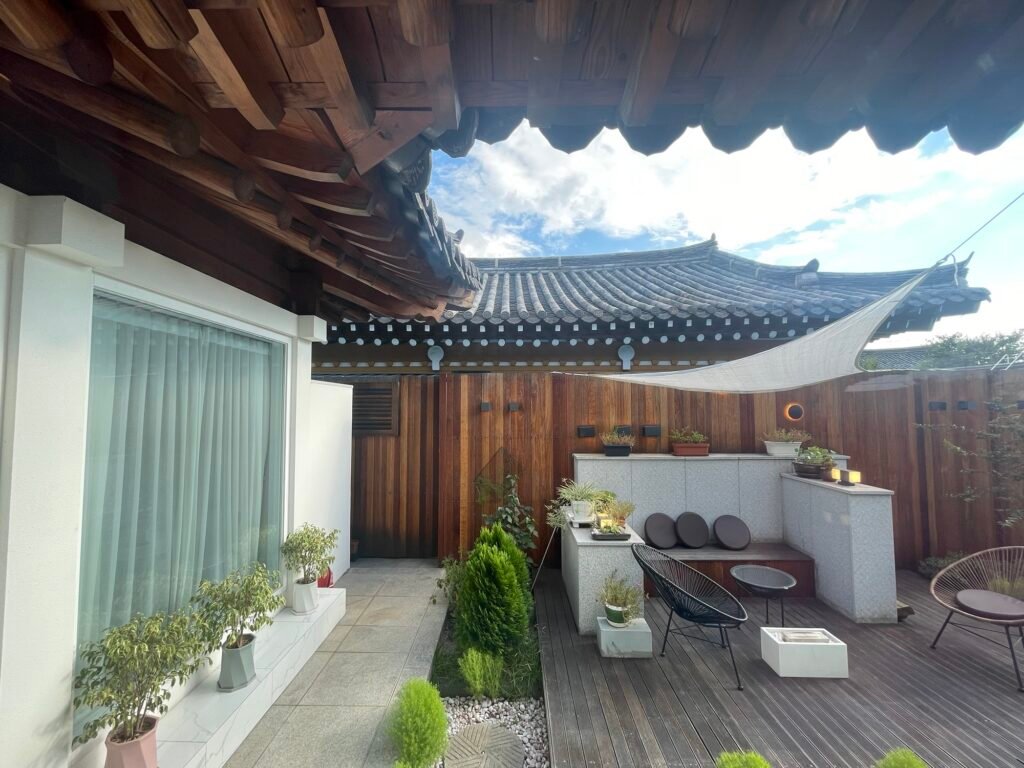
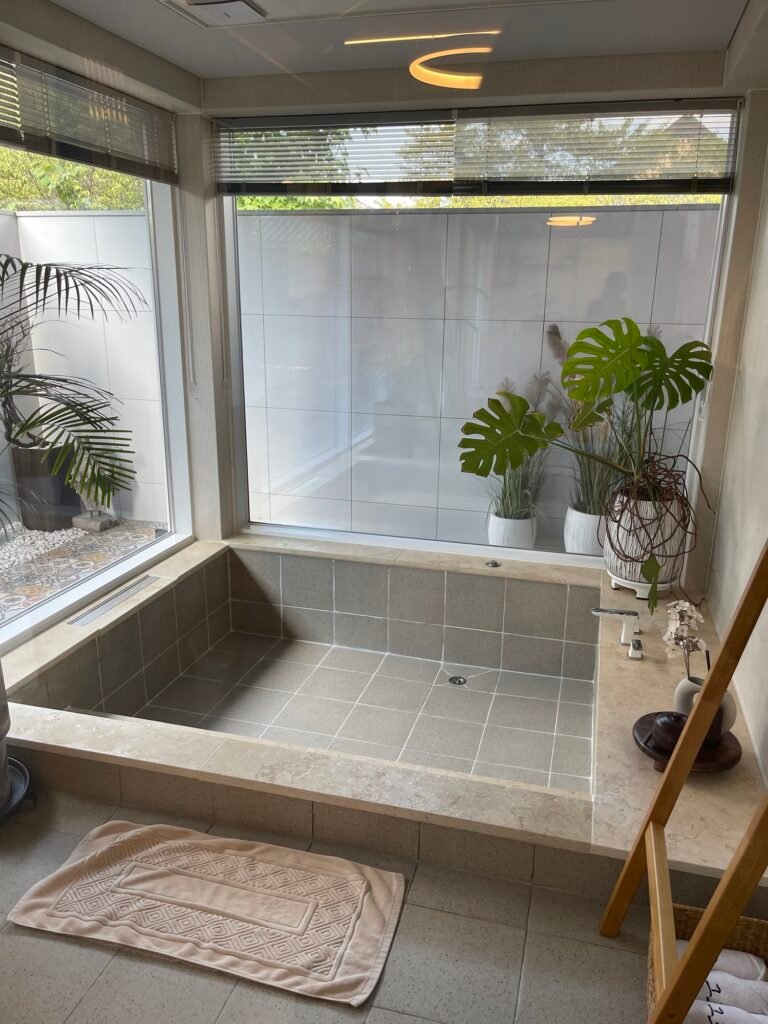
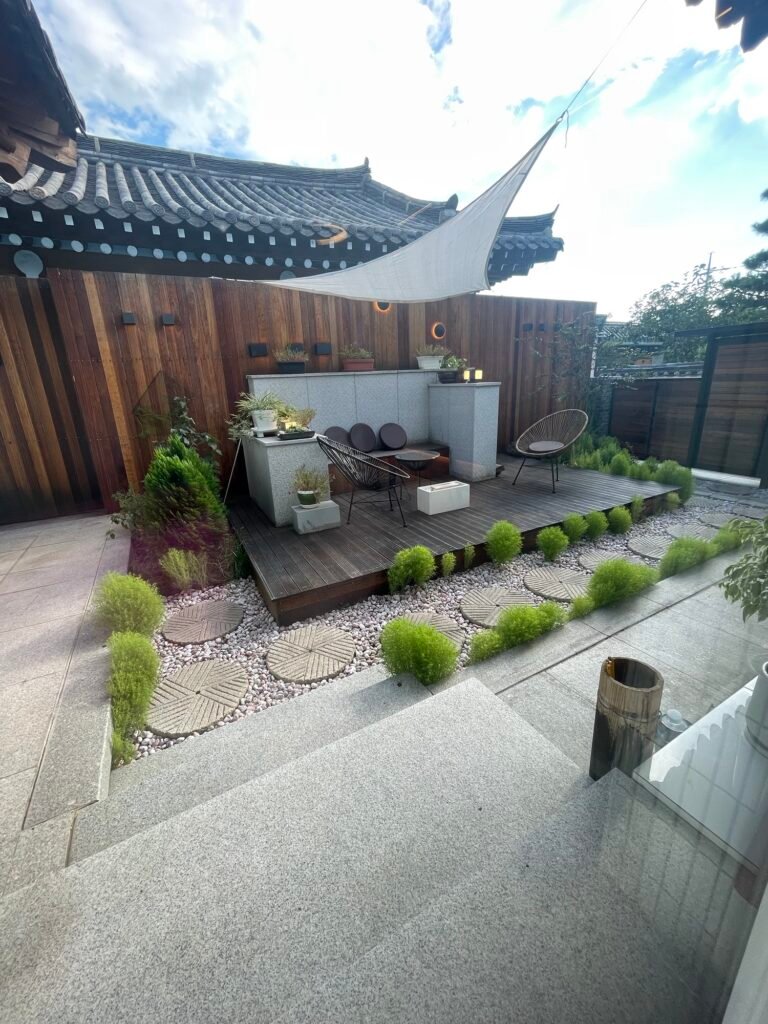
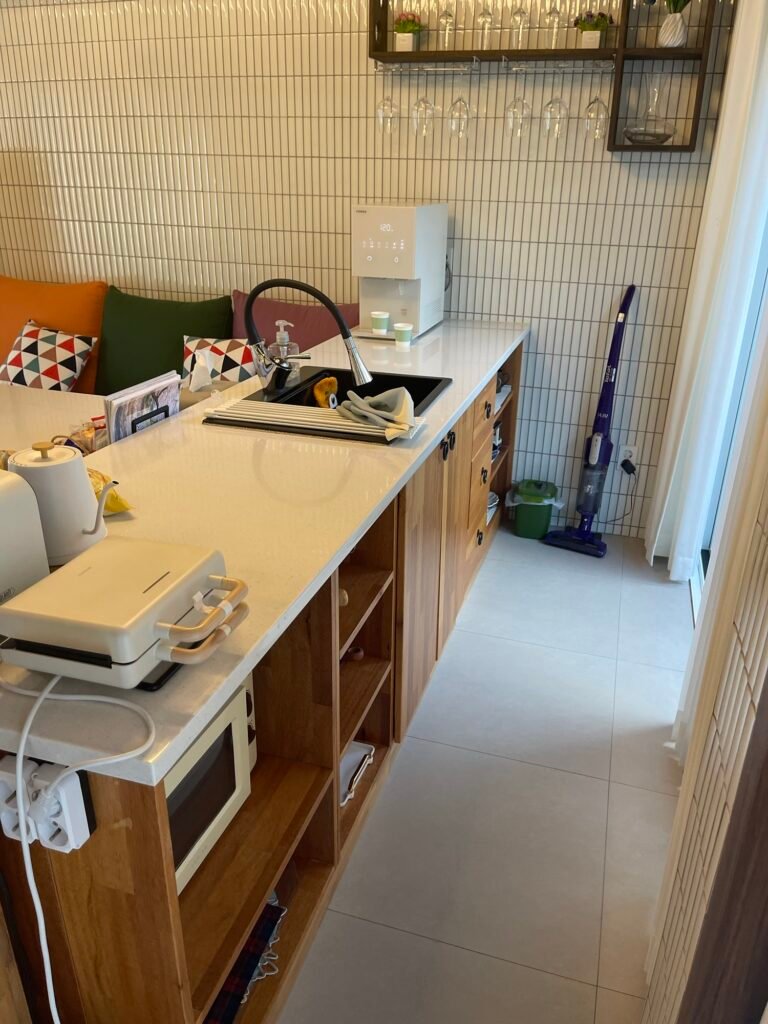
Hotels vs Airbnbs in South Korea
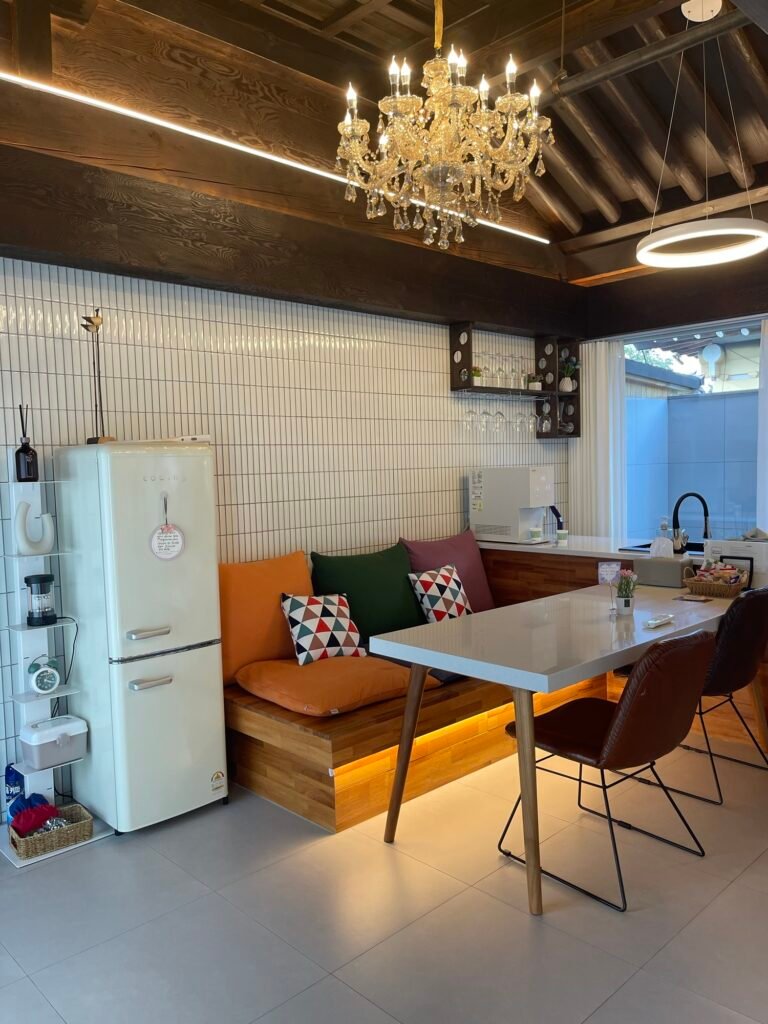
Choosing between hotels and Airbnbs depends on your travel style, but for first-time visitors, hotels are often the easier option.
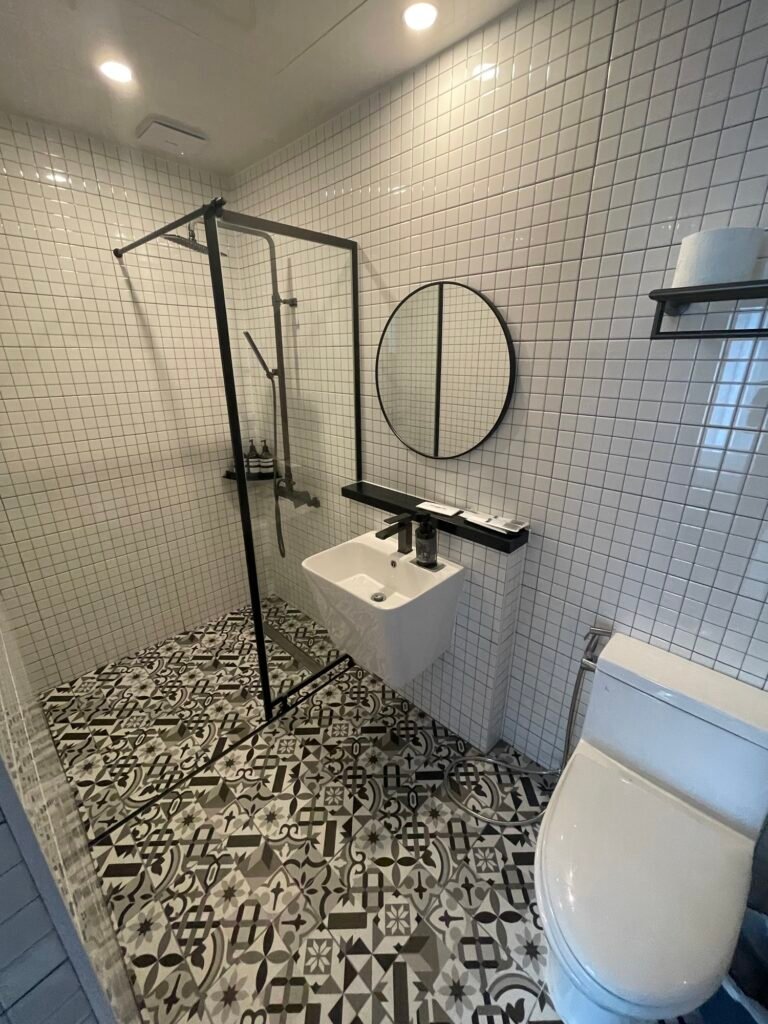
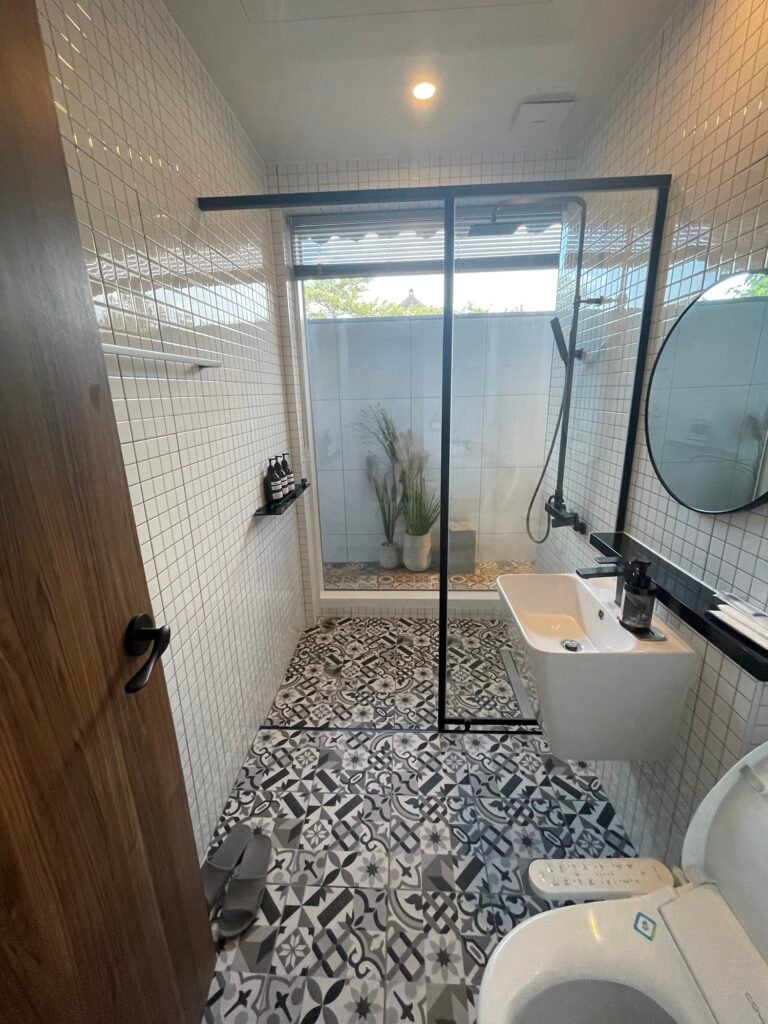
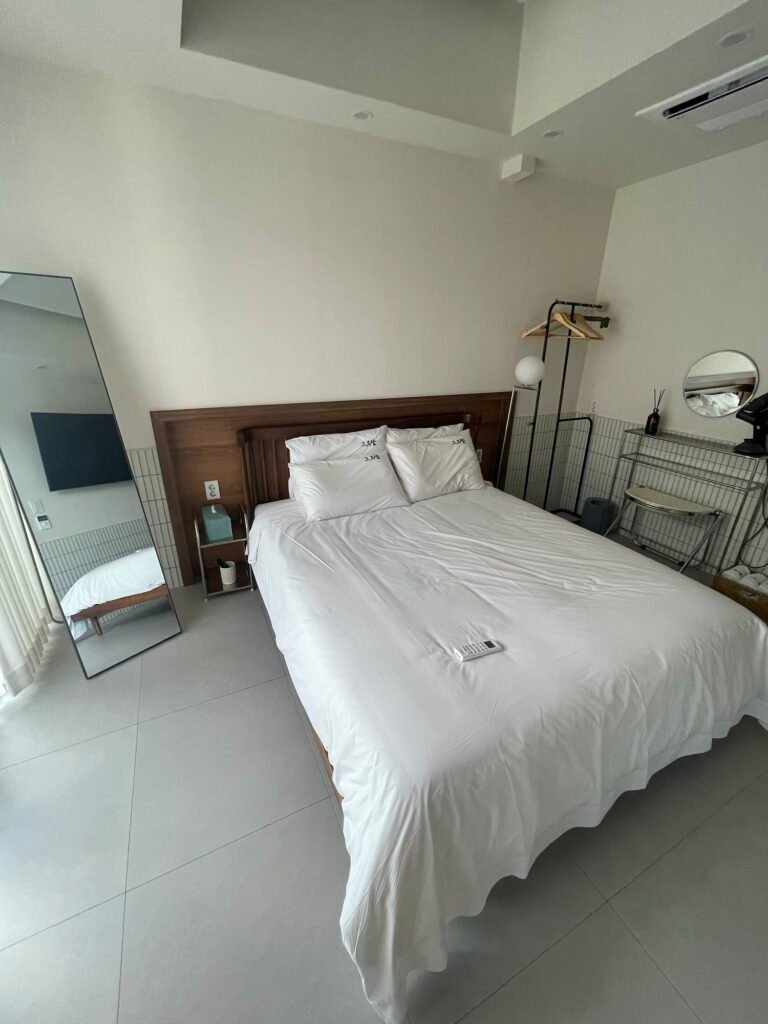
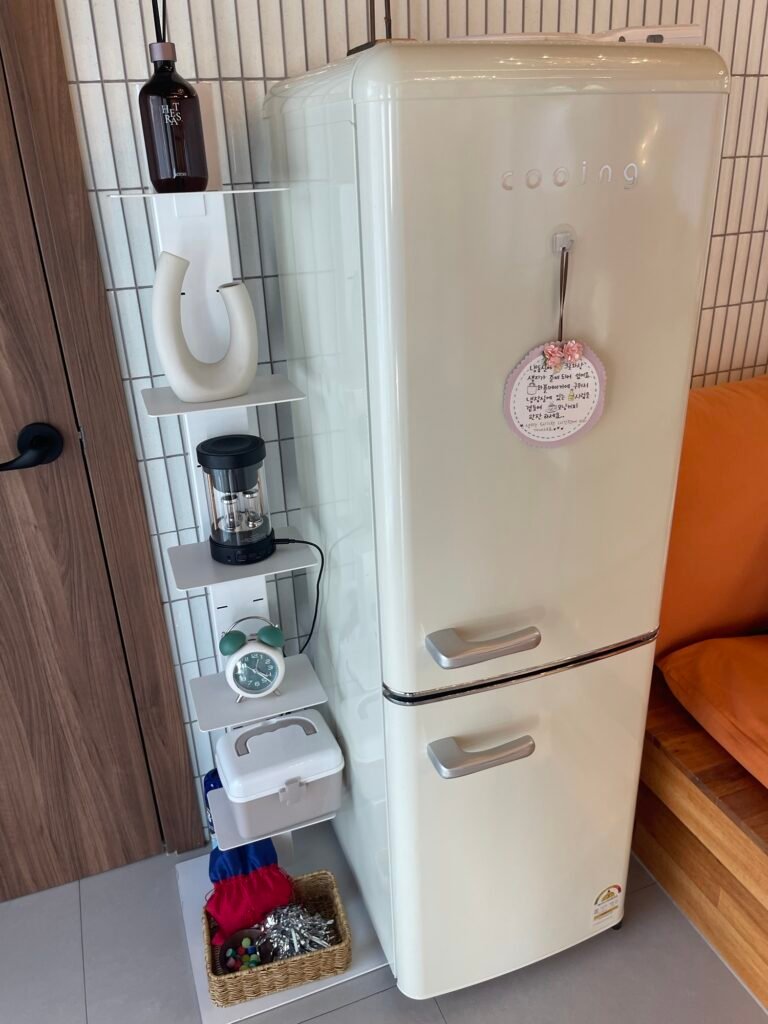
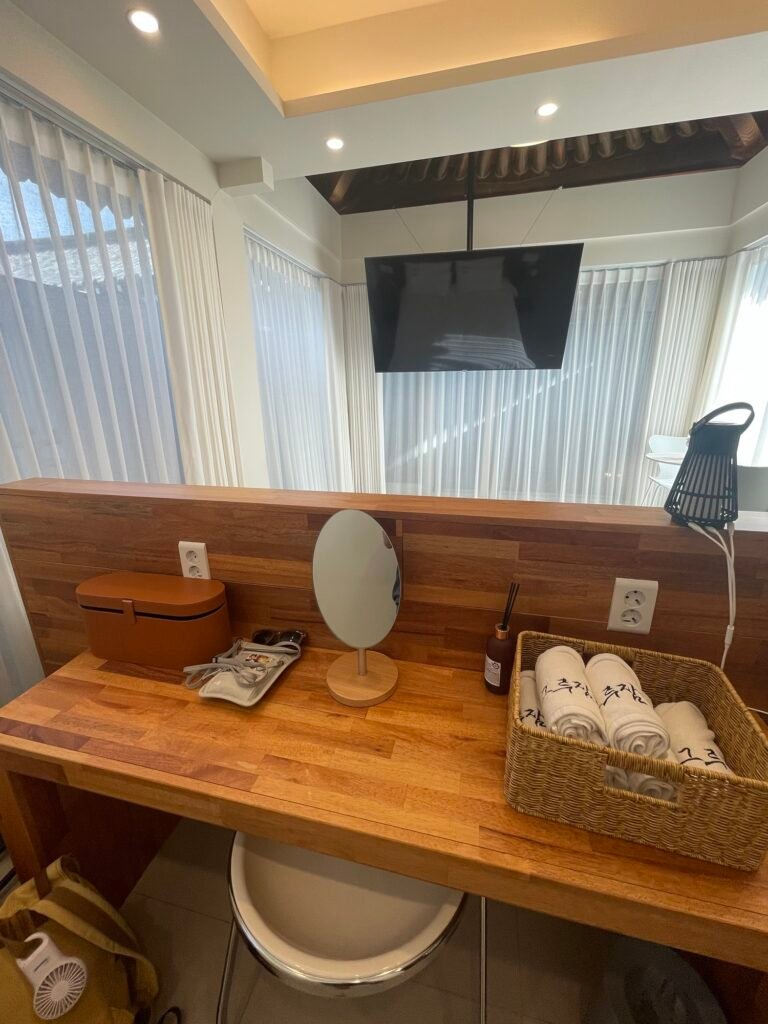
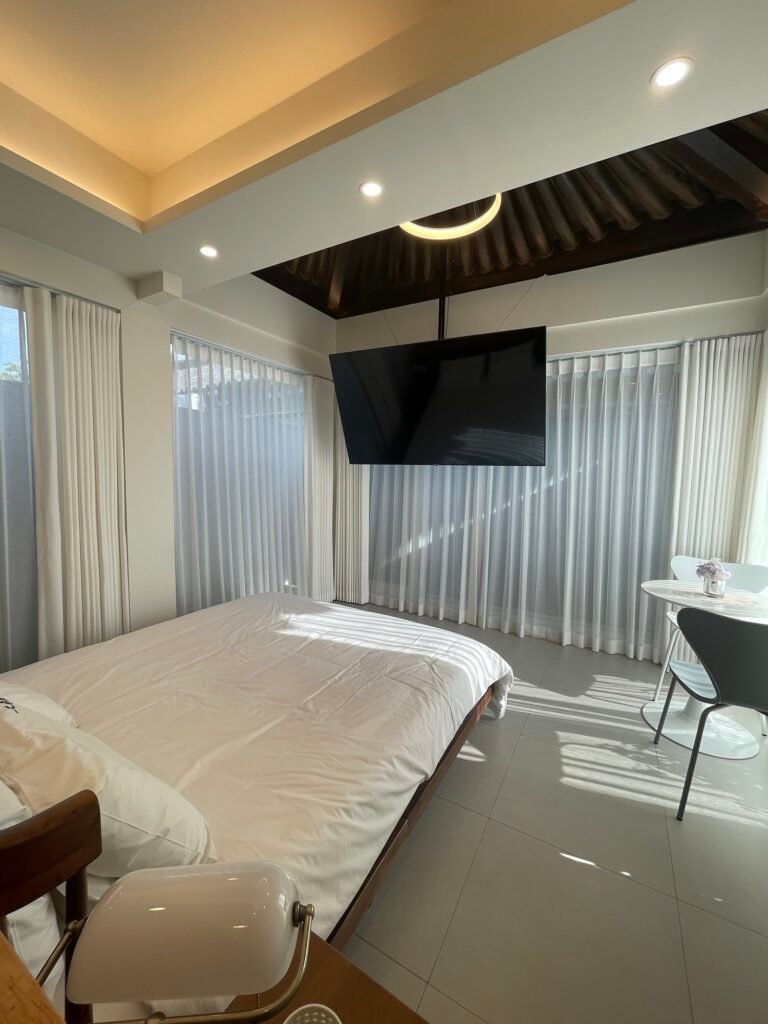
Hotels usually offer English-speaking staff, clear check-in procedures, and luggage storage. Rooms can be smaller than what travelers from the U.S. are used to, but the convenience often outweighs the size.
Airbnbs can provide more space and access to a washing machine, which is common in Korean apartments. However, check-in instructions can be complicated, trash sorting rules can be strict, and luggage storage is rarely available before or after your stay.
For a first trip, hotels tend to be less stressful and can have airport transportation.


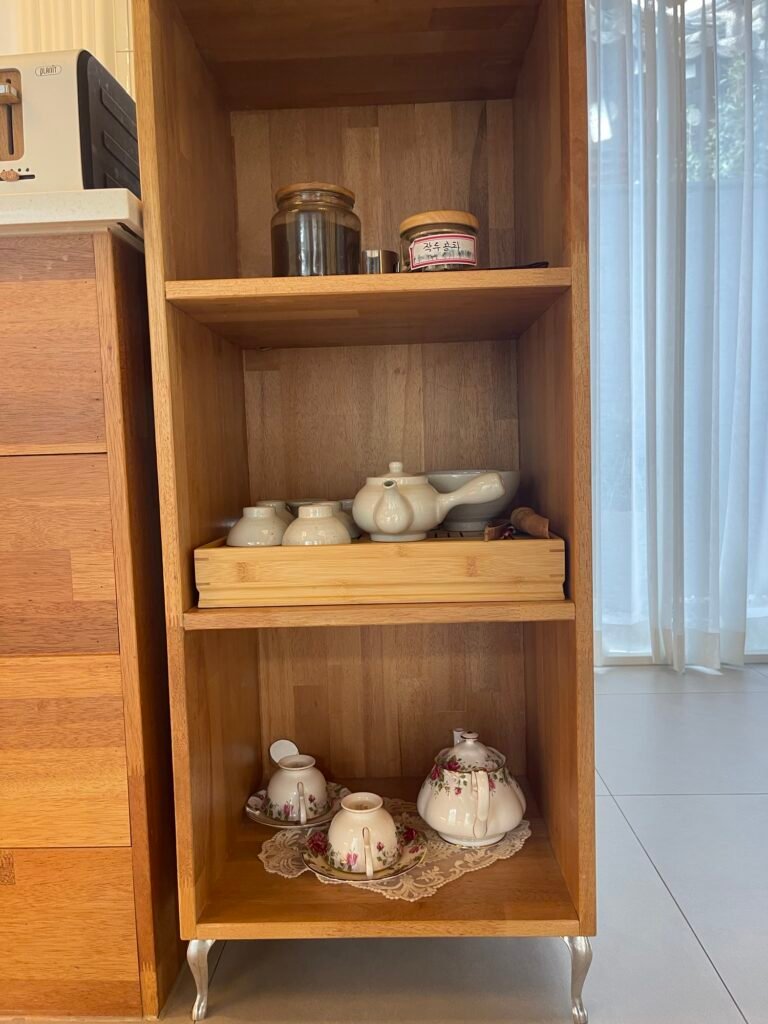
What to Pack for South Korea
Packing smart is essential for a comfortable trip.
Essentials we recommend:
Comfortable walking shoes Portable charger Lightweight layers A pack of travel tissues
One thing many travelers don’t expect is that some public bathrooms, especially in older areas, don’t provide toilet paper. Keeping travel tissues with you can be a lifesaver.
Don’t Pack Heavy: Luggage Tips You’ll Be Glad You Followed
South Korea’s cities are not ideal for large, heavy suitcases.
Many sidewalks are made of stone, streets can be hilly, and subway stations often involve stairs. Elevators exist, but they aren’t always conveniently located.
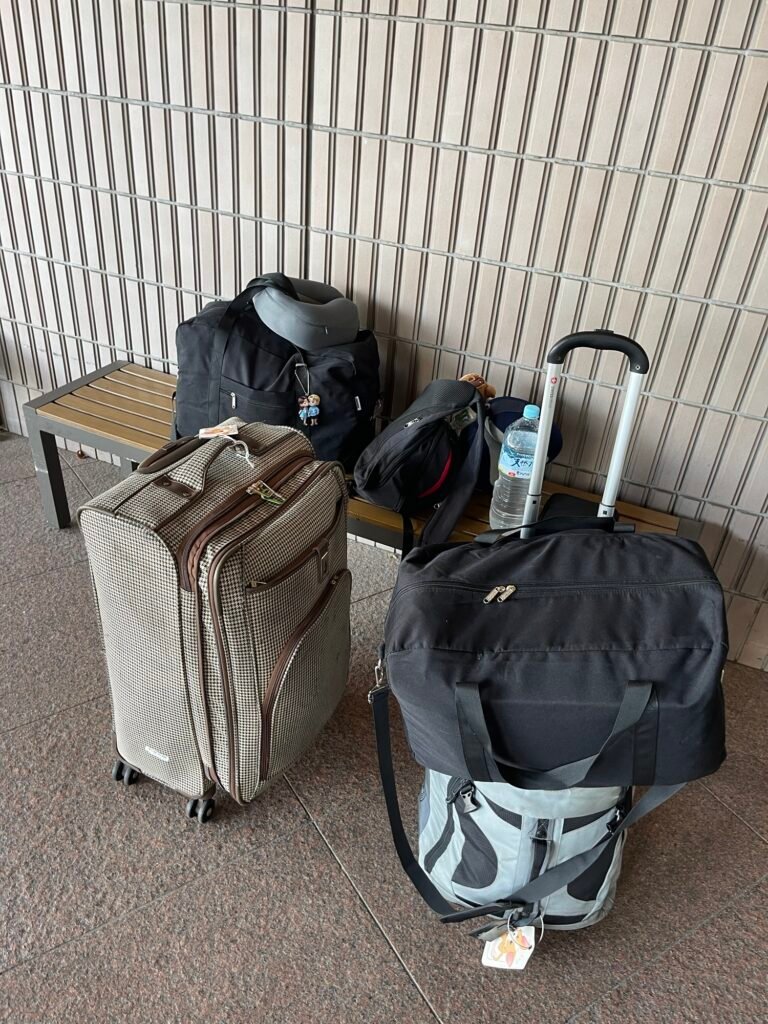
Important luggage rules to know:
Large suitcases are not allowed on city buses Taxis are often small and may not fit large luggage Navigating stations with heavy bags can be exhausting
Packing light and doing laundry during your trip will make moving between locations much easier.
Cultural & Travel Tips for First-Time Visitors
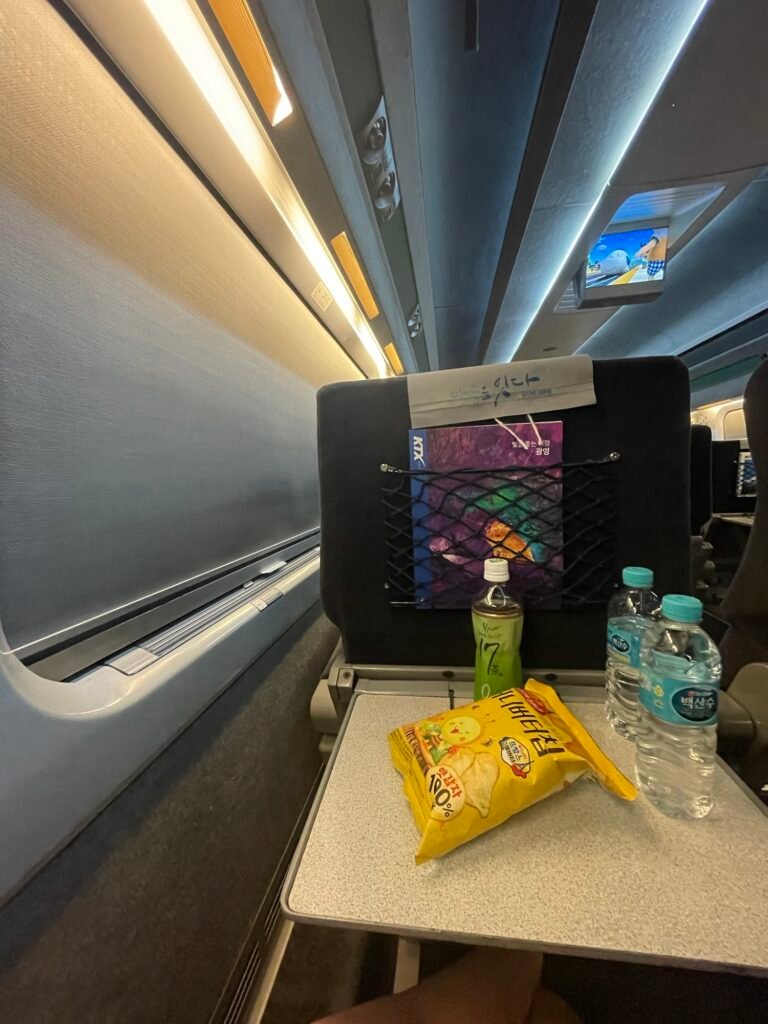
Public transportation is quiet; keep conversations low Stand to the right on escalators Offer seats to elderly passengers Trash bins are limited, so carry small trash until you find one No tipping is required
Observing local etiquette goes a long way and is greatly appreciated.
Is South Korea Safe for First-Time Travelers?
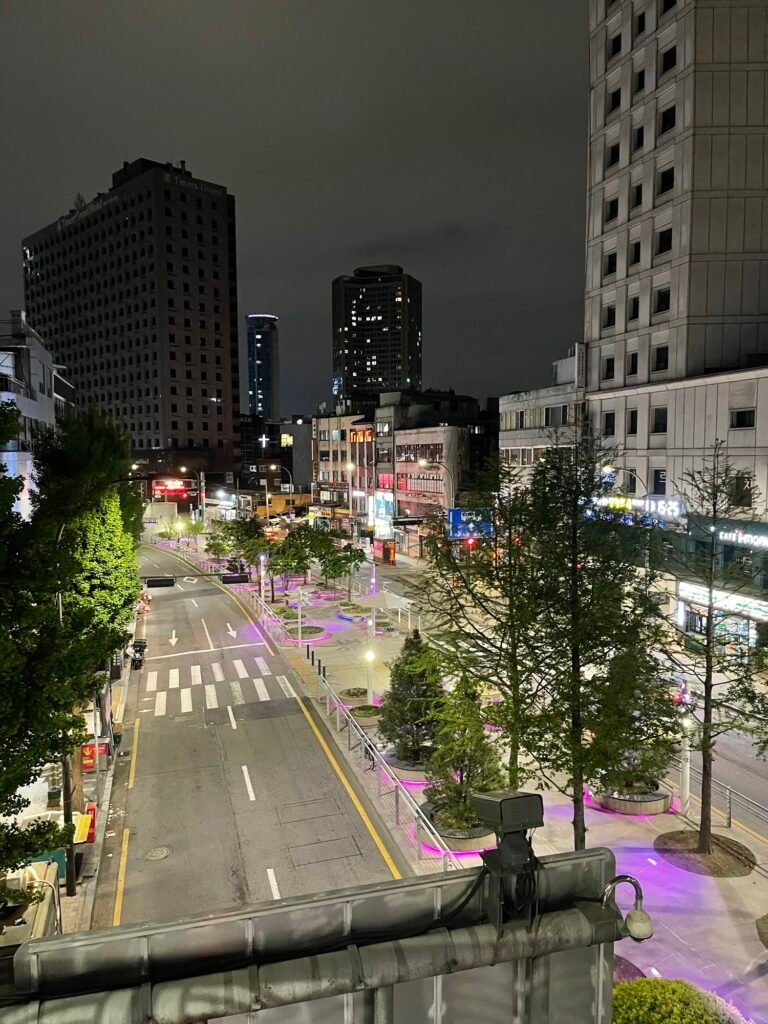
South Korea is one of the safest countries to visit. Public transportation is safe even late at night, streets are clean, and crime rates are low. First-time travelers often feel comfortable exploring on their own, even in the evenings.
Final Thoughts
South Korea is an excellent destination for first-time international travelers. It’s modern, efficient, welcoming, and filled with unforgettable food, culture, and experiences. With the right preparation—and by packing light—you’ll be able to enjoy your trip without unnecessary stress.
If you’re planning your first visit, this is a country that truly exceeds expectations.