
Before traveling to South Korea, I heard this constantly:
“You don’t need to know any Korean—everyone speaks English.”
From our own personal experience, I would say this is not true, especially once you step outside of Seoul.
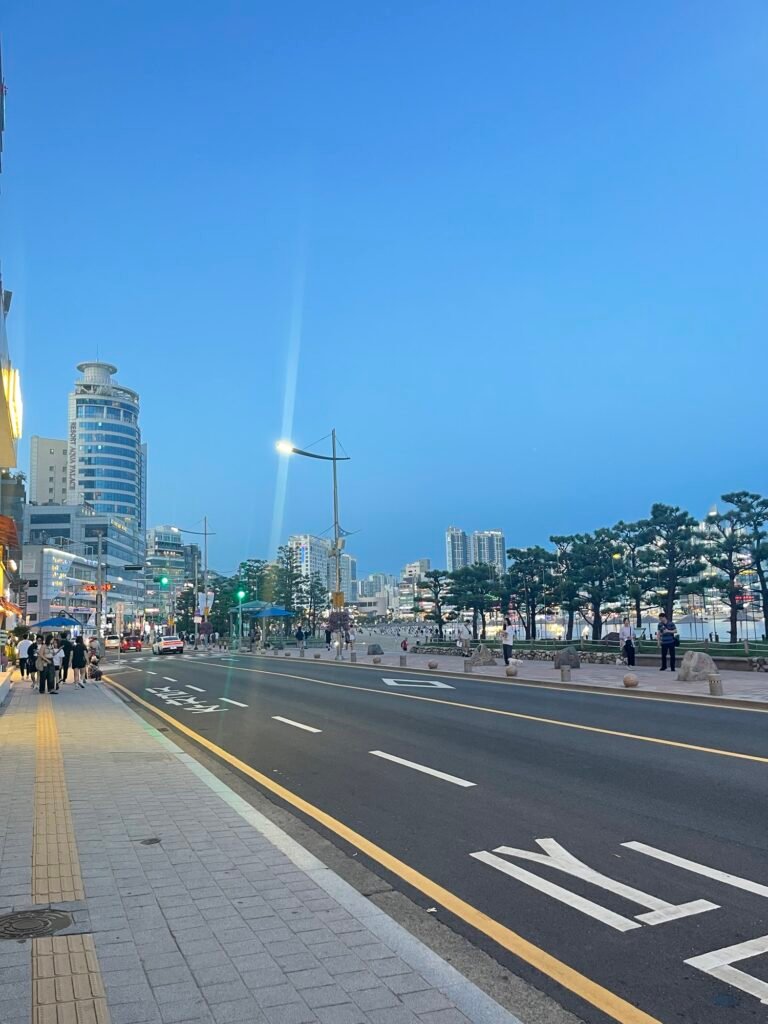
Of course, learning a few polite phrases like thank you is always helpful. But I truly believe it’s extremely important to at least know how to order food and drinks. And if you have any dietary restrictions, I 100% recommend either learning how to say them in Korean or having them written down. That alone can save you a lot of stress while traveling.
Our Experience in Seoul
In Seoul, many people do speak English—but not everyone. If you’re sticking to very tourist-heavy areas, you’ll usually find English menus and at least one staff member who can help.
Before our trip, I was told over and over again not to worry about learning Korean because “everyone studies English in school.” Even so, there were plenty of moments where I had to pull out Google Translate—or resort to a little bit of charades if my phone wasn’t working (which absolutely happens, lol).
The Neighborhood Café Experience
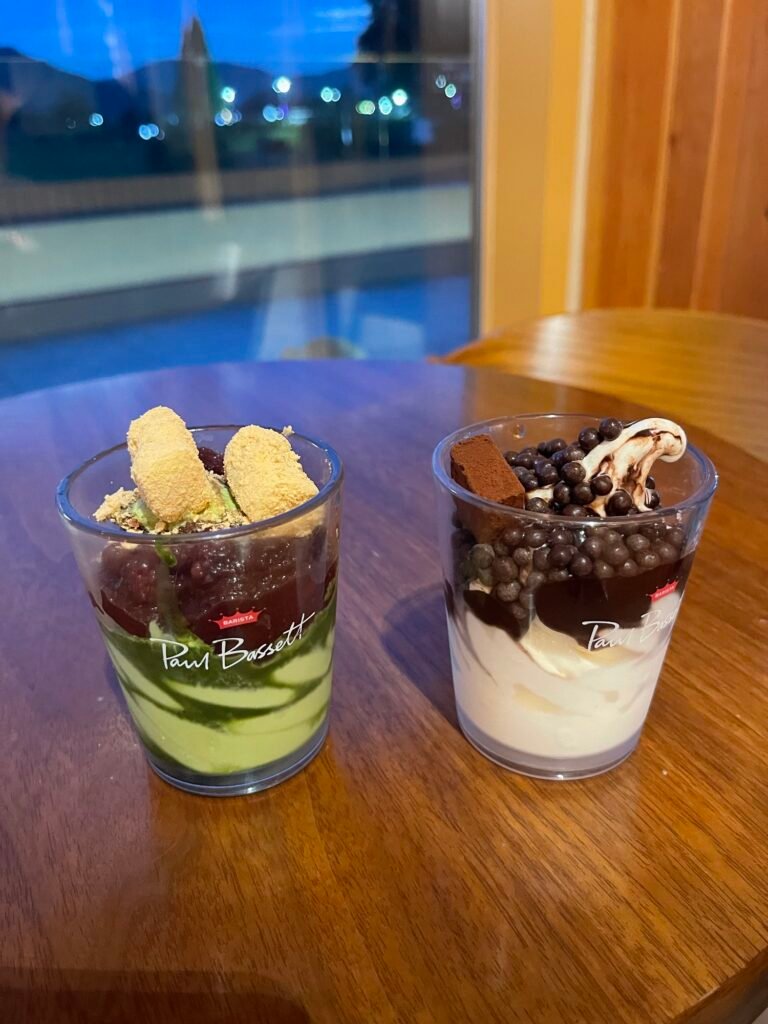
One moment that really changed my perspective happened at a café near our Airbnb. We were staying in Seoul, in what would be considered a fairly tourist-friendly area—but this café was a true neighborhood spot. Most of the people there were locals from nearby apartment buildings and condos.
Because we weren’t staying in a hotel, many of the places around us didn’t see tourists often. At this café, there were no English speakers at all.
It was run by a lovely older couple, and the only menu was written on the wall above the cash register. There were no menus on the tables to point at, and pointing vaguely above their heads didn’t feel very clear or polite. Neither of them spoke English—but because I knew very basic Korean ordering phrases, I was able to order confidently and get exactly what I wanted.
That moment alone made learning some Korean feel completely worth it.
Why “Everyone Speaks English” Can Be Misleading
Here’s where I think a lot of travelers get confused:
there’s a big difference between learning English and being comfortable speaking it.
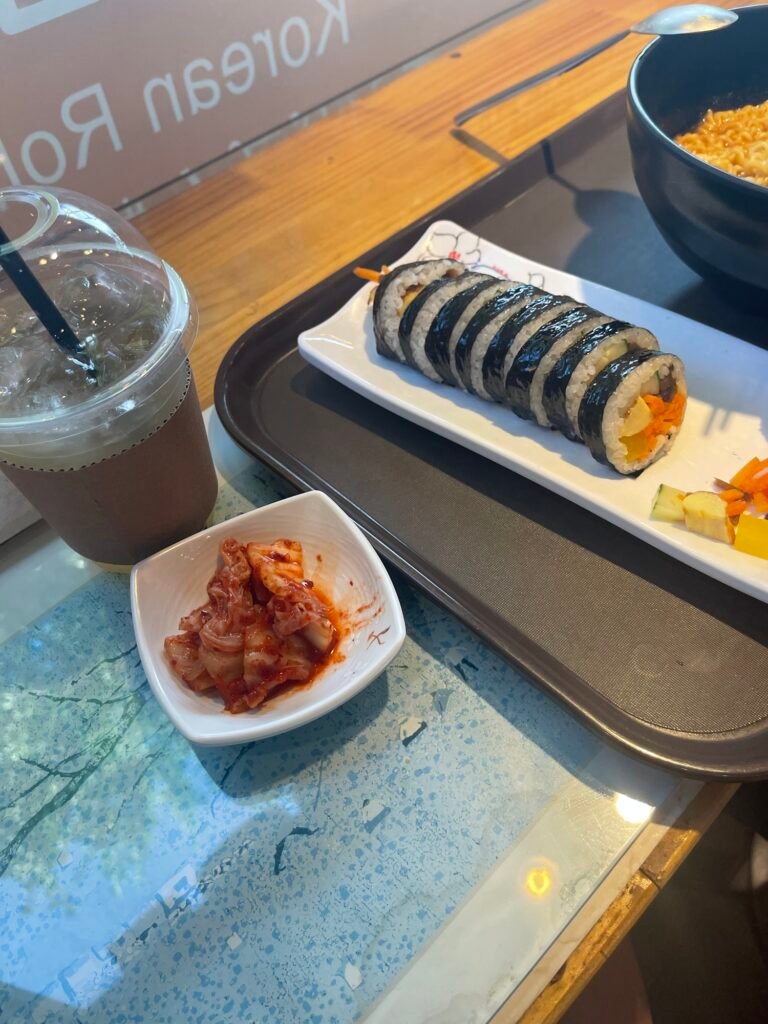
Yes—most Koreans study English in school for many years. Because of that, you’ll often hear people say that “everyone in Korea knows English.” But classroom English doesn’t always translate to real-life conversations.
According to global benchmarks like the EF English Proficiency Index, South Korea consistently ranks in the moderate proficiency category worldwide. That means many people have some English ability—often reading or listening—but far fewer feel confident speaking it fluently.
Surveys suggest that only about 20% of Koreans feel comfortable holding a full conversation in English. And even within that group, English is most commonly used in:
Corporate or office jobs Global or international companies Tourism-focused roles Education or international business
What you don’t see as often are fluent English speakers working in local cafés, small restaurants, street vendors, or mom-and-pop shops. Those jobs usually don’t require English, so even if someone studied it in school, they may not have used it in years—or ever outside of a classroom.
That’s why you can be in a major city like Seoul and still run into situations where no one speaks English, especially in residential neighborhoods. It doesn’t mean people don’t know English—it just means they’re not confident using it day to day.
Yes, You Can Get By—But at a Cost
Technically, you can travel South Korea without knowing Korean. If you want to stick to places that cater to English speakers, that option exists. For example, most people working at Starbucks spoke English with no issue at all.
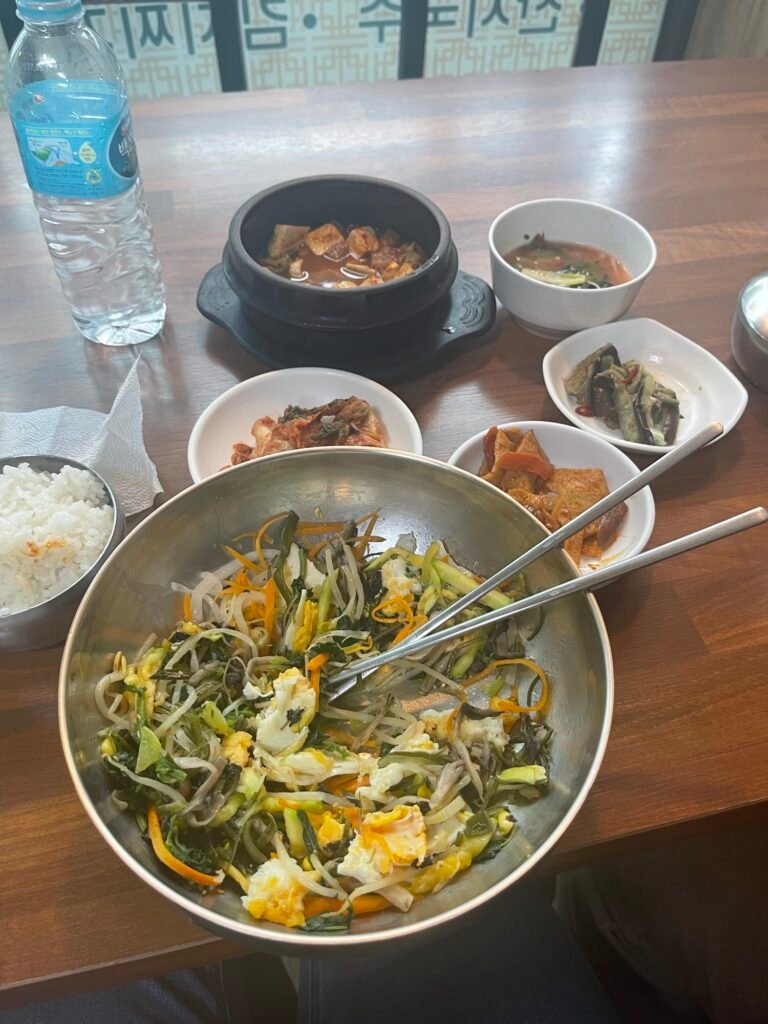
But if you want to eat at local restaurants, small cafés, street vendors, or family-run spots that don’t have English menus or ordering tablets—you’ll need some Korean.
Knowing even a little opens up so many more food options and experiences.
What About Translation Apps?
Translation apps like Google Translate are helpful—but not perfect.
They often struggle with formality, which is important in Korean culture. Most people won’t be offended if a foreigner makes a mistake, but using polite language—especially with older shop owners—goes a long way.
Translations also aren’t always exact, which can limit what you order. And if your phone dies, your Wi-Fi cuts out, or you’re in a spot with poor service, you’re suddenly stuck.
Quick Tip: Print or Save Important Phrases (Especially for Dietary Needs)
If you don’t feel confident in your speaking ability, at the very least, print out or save key phrases you know you’ll need. You can keep them in your wallet or in the Notes app on your phone so you can easily show someone if needed.
This is especially important for dietary restrictions.
For example, my husband is vegetarian. In Korea, we noticed that some people assumed vegetarians could still eat fish. In his case—and for most people in the U.S.—vegetarian means no meat at all.
To avoid confusion, I printed out a short note in Korean that explained:
Vegetarian No beef No chicken No fish No shellfish
Basically an allergy-style list just to be very clear (lol). It helped so much and made ordering food less stressful for everyone involved.
Places Where English Was More Limited
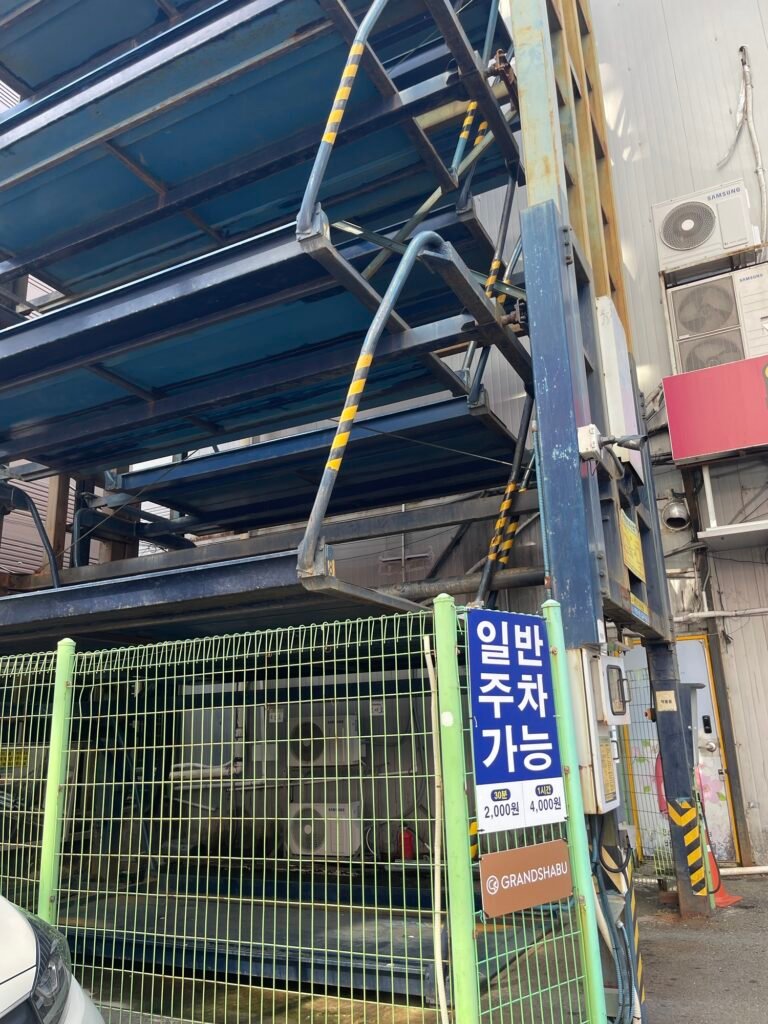
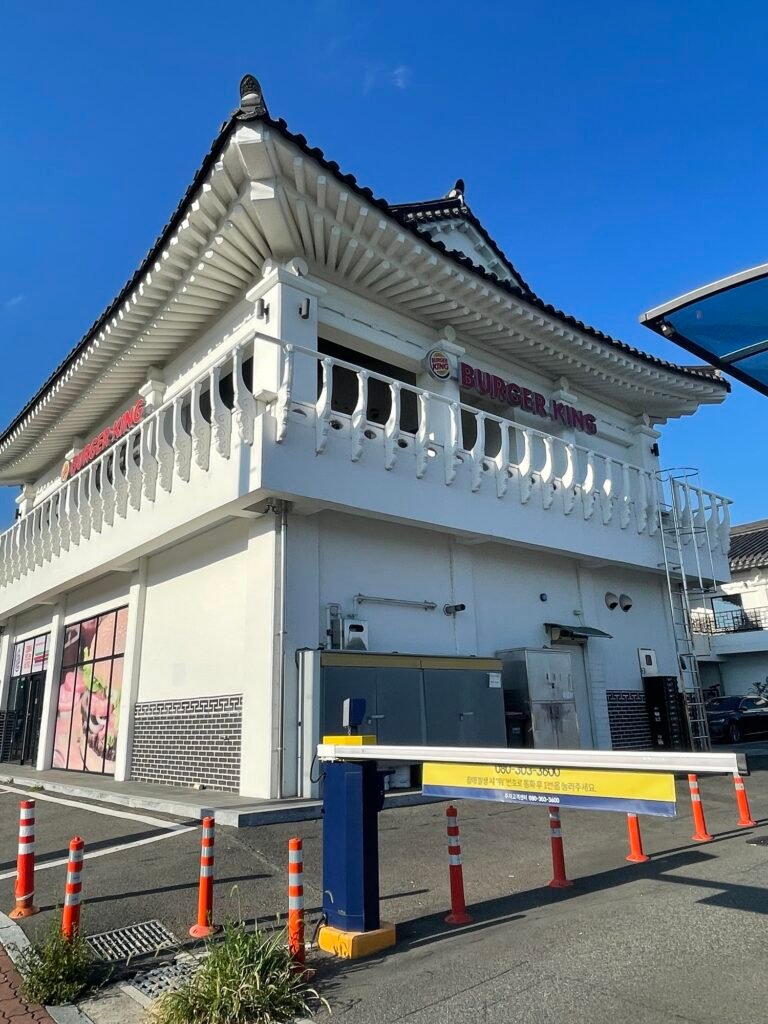
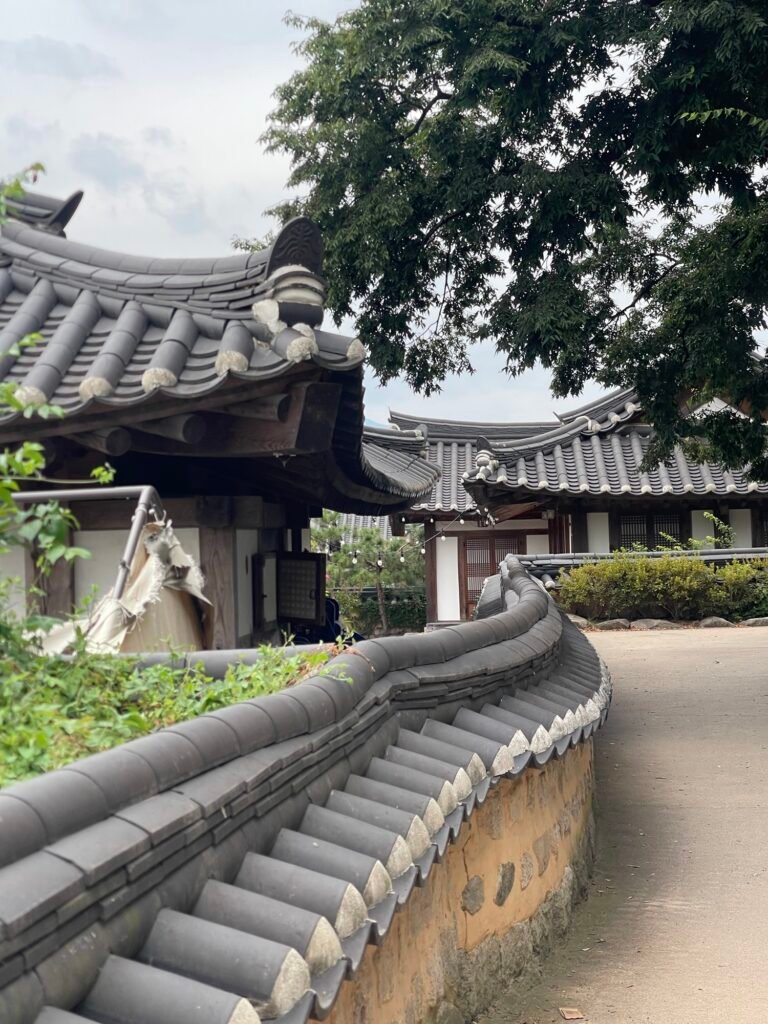
Outside of Seoul, English became much less common. Some places we visited where very few people spoke English included:
Daegu, Gyeongju, and Busan (this one surprised me)
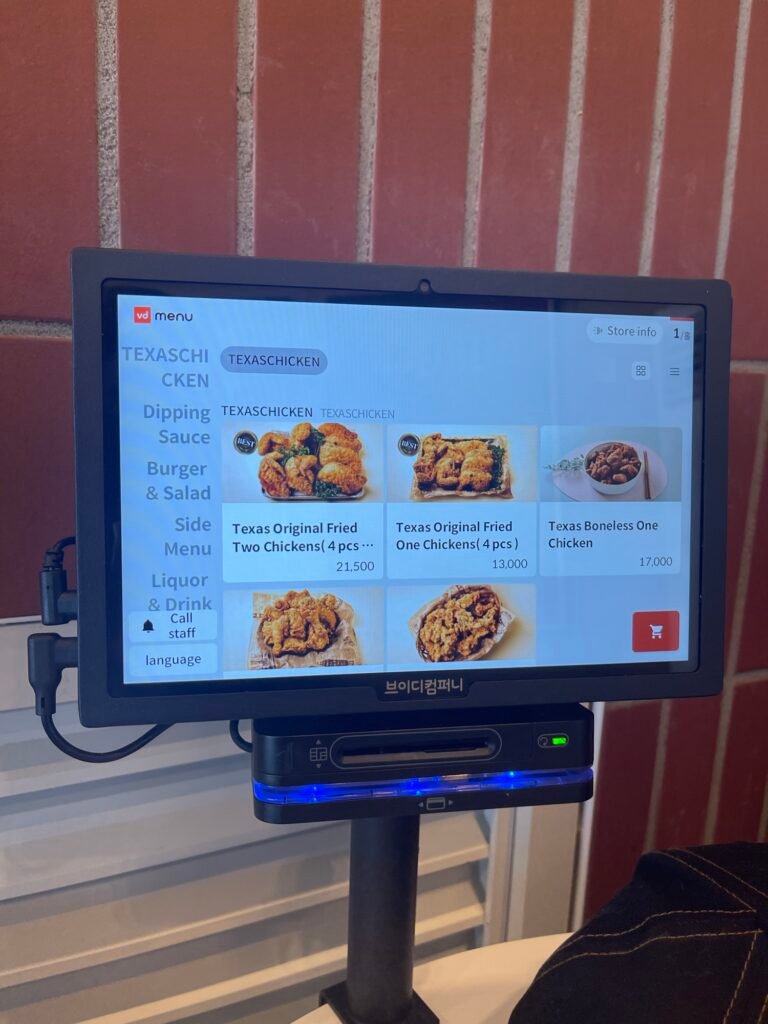
In Busan, many restaurants did have ordering tablets that let you toggle to English, which helped—but that wasn’t the case everywhere. Also, I don’t think I ran into anyone I could order from in English. Most people knew very simple phrases, but we’re so grateful when I started ordering in Korean because they said they weren’t very confident with their English.
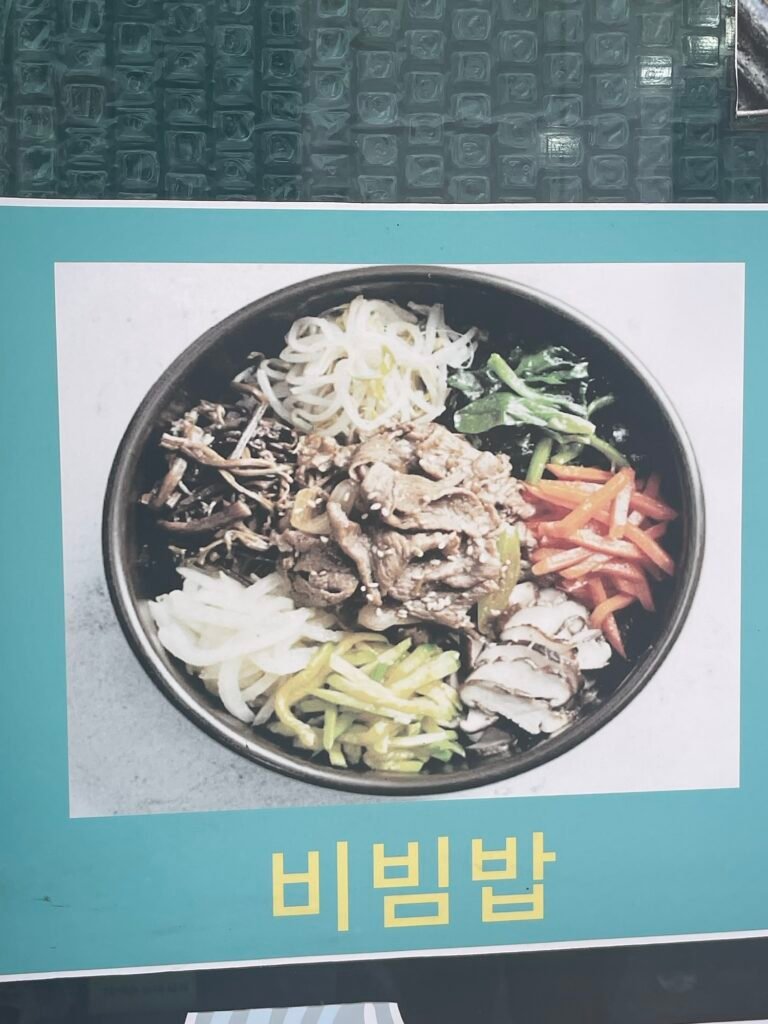
Must-Know Korean Phrases for Travelers (Food & Cafés)
Here are a few basic phrases that make a huge difference:
안녕하세요 (Annyeonghaseyo) – Hello
감사합니다 (Gamsahamnida) – Thank you
이거 주세요 (Igeo juseyo) This, please
- This was the number one most useful phrase! It allowed me to politely point on anything in the menu and order it lol 
주문할게요 (Jumunhalgeyo) – I’d like to order
포장해 주세요 (Pojanghae juseyo) – To go, please
여기서 먹을게요 (Yeogiseo meogeulgeyo) – For here
Even knowing just these can make ordering smoother and less intimidating.
Final Thoughts: Is Korean Required?
At the end of the day, you don’t need to know Korean to travel South Korea—it’s not the end of the world. But it does limit you: where you can eat, how confident you feel, and how deeply you experience the country.
Even learning Hangul (the Korean alphabet) makes a huge difference. Many café and food words are English-derived, and once you know how to read Hangul, you’ll start sounding words out and suddenly realize you’re reading English—just written in Korean. It’s honestly kind of fun.
You don’t need to be fluent.
You just need to be prepared.
And in our experience, that little bit of effort makes the trip so much richer.