Everything you need to know to plan your international trip – from airfare deals to where to stay and what to book in advance.

When planning a large vacation, it’s important to focus on the core booking essentials to ensure a smooth trip. Flights should be booked first, as they are the primary way to reach your destination and often impact overall travel costs and timing. Hotels or accommodations come next – choose a safe, well-located place to stay that fits your budget and travel needs. Transportation is another key factor; once you arrive, secure reliable options for airport transfers and getting around the city, such as taxis, public transit, trains, domestic flights, or car rentals. Lastly, plan your activities in advance. You don’t need to over-schedule, but having at least one planned activity per day helps guide your itinerary and keeps your travel plans organized.
Flights
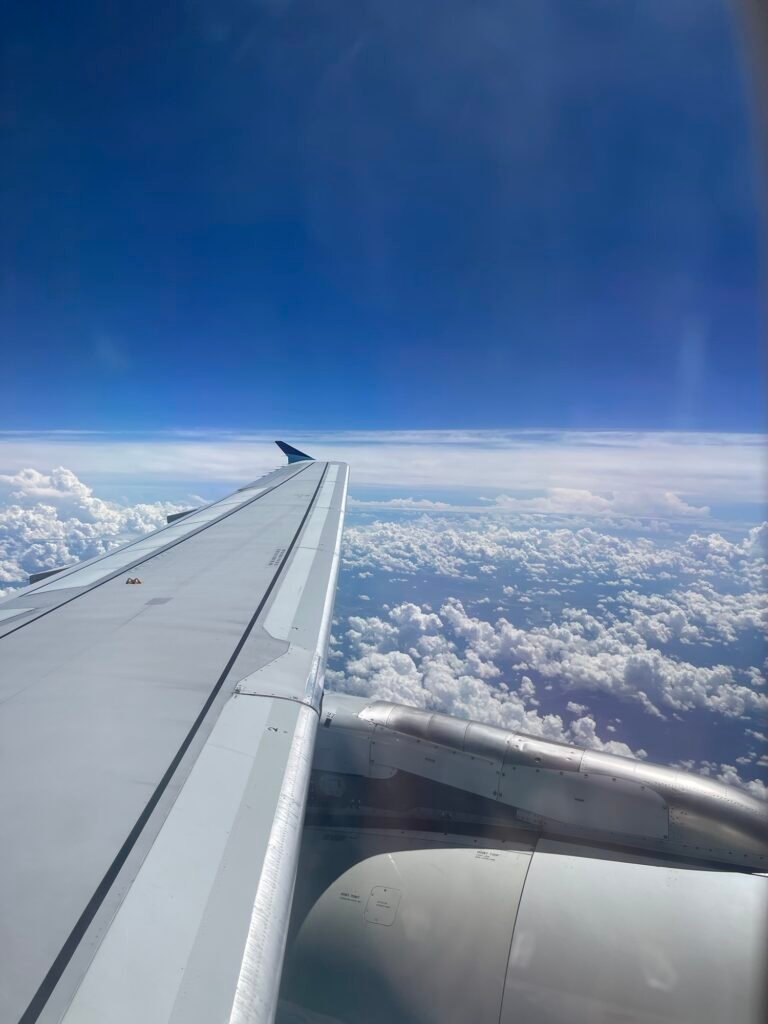
When booking our flights, we rely on Expedia and Skyscanner, using flexible date ranges that work around my work schedule and approved time off. We also search across multiple airports to find the best flight deals. Since we live in Florida, our usual search includes Orlando, Tampa, Sarasota, Fort Myers, Naples, and Miami, plus a few smaller regional airports – sometimes those can have surprisingly lower fares. For our most recent trip, the best price was out of Orlando, but on a previous international trip, Fort Myers offered the cheapest option.
It’s also essential to plan for extra airport time, especially for international flights. We always aim to arrive at the airport at least three hours before departure to allow enough time for check-in and TSA screening, which is often more thorough when leaving the country. If you have a connecting flight, leave a minimum of two hours between flights, since transferring from a domestic to an international terminal may require going through TSA again. You may end up with extra time, but it’s far better to be early than risk missing your flight – airlines can board and even depart ahead of schedule.
Make sure to have all important contact information easily accessible in case something happens to your luggage. Lost luggage does happen, which is why we always recommend splitting clothing between checked bags and carry-on bags. This is also why airlines stress keeping all essential items – medications, travel documents, chargers, and valuables – in your carry-on. Personally, my parents once had their luggage lost on an international trip. It was eventually found and delivered, but being without essentials in the meantime can be stressful and expensive. This is also where travel insurance can be extremely helpful, as it often covers delays and lost luggage expenses.
Lastly, make sure you’re familiar with airport and terminal maps, as navigating international airports – especially on the return trip – can be confusing. A lot of countries are great for including English on their signage, but the last thing you want is to be stressed about finding your gate. In a worst-case scenario, airports always have information desks and staff available to help. Don’t be afraid to ask for assistance – I’ve done it multiple times, and they’re always incredibly helpful.
Hotels/Lodging
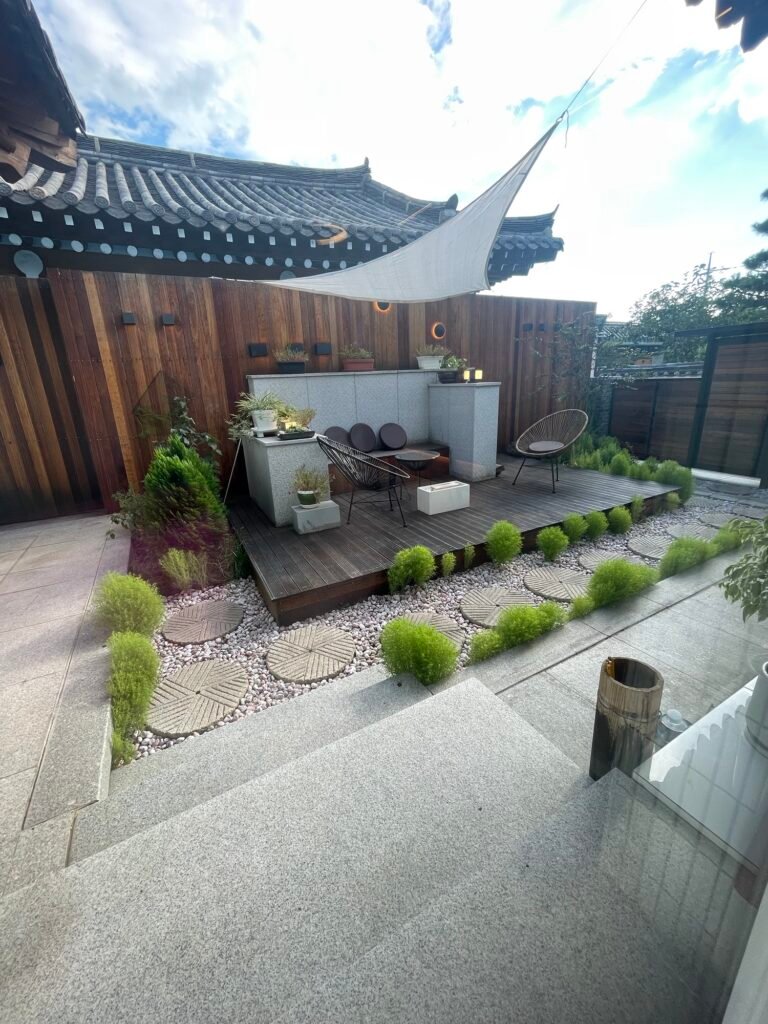
When choosing where to stay, there are three main accommodation styles, and the right one depends on your group size and travel style. Hostels are best for solo travelers or those who enjoy meeting new people, sharing common spaces, and keeping costs low. Hotels are ideal for couples or small families of two to four people, offering comfort, privacy, and predictable amenities. Airbnb or Vrbo rentals work best for larger families or groups, especially when you need more space, multiple bedrooms, or a kitchen.
Once you know the size of your group, the next step is location planning. I personally use Google Maps to research the best neighborhoods in the city or area we’re visiting, making sure the location is convenient for our planned activities and easy to navigate each day. This helps reduce daily travel time and stress.
When flying out – especially if the airport is a few hours away – we book a hotel at or near the airport the night before. This makes early departures, like a 6 AM flight, much easier since you can wake up close to the terminal and avoid morning travel delays. After long international flights, I also recommend staying near the arrival airport for your first and last nights. This keeps your arrival and departure experiences simple and consistent, with a clear and stress-free route back to the terminal.
Most international airports either have on-site airport hotels or nearby hotels with free airport shuttle buses, which is extremely helpful when traveling with multiple suitcases. Public transportation systems, especially metros, often make it difficult or impossible to travel comfortably with a lot of luggage. In those cases, your best options are taxis, cars, or shuttle buses – just be sure to confirm ahead of time that your luggage amount is acceptable.
Transportation
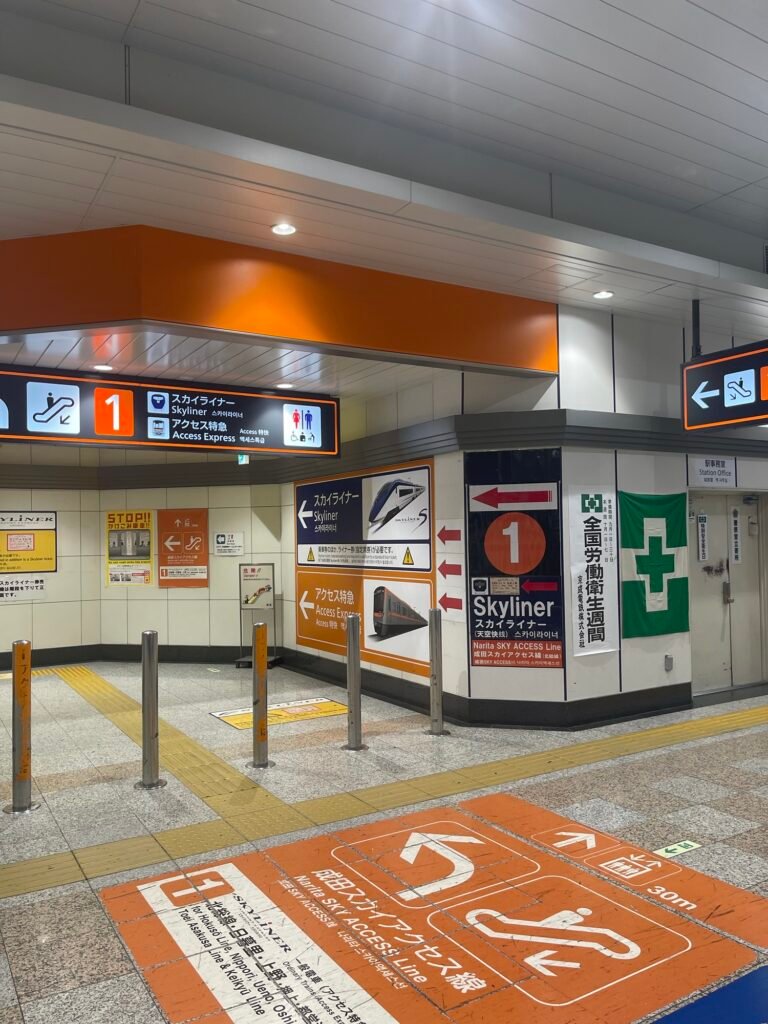
Transportation is one of the most important parts of trip planning. Without proper preparation, it becomes difficult – if not impossible – to travel with all of your belongings, especially on international trips, where you’ll often return home with more luggage than you left with.
First, plan your transportation to and from the airport. Ideally, you’ll have someone who can drop you off and pick you up. If that’s not an option, make sure to factor airport parking costs into your travel budget, as long-term parking can add up quickly.
Once you arrive in your main international city, you’ll need a clear plan for getting from the airport to your hotel or accommodation. Common options include rental cars, metro systems, taxis, and buses. Your choice should depend largely on how much luggage you’re traveling with. If you have multiple large suitcases, renting a car and driving yourself can be the easiest option. If driving in a new country feels stressful, taxis or airport buses are often a more comfortable alternative.
For our trips, we used a mix of buses, metros, and trains without any major issues. In many cities, the back sections of metro cars are designated for accessibility, and these areas are often best for travelers with luggage since they typically don’t have fixed seating and allow more space. Planning transportation ahead of time ensures smoother travel days and prevents unnecessary stress once you arrive.
Activities/Things to Do
When it comes to finding activities and things to do, I start with a simple Google search for top attractions in the destination, then read through multiple travel blog articles and watch YouTube videos – or any other platforms were on (Find out more). This helps uncover not only the must-see spots but also hidden gems you might not find on official tourism sites. You can find many of our recommendations on our blog and YouTube channel for specific countries and cities, but I also strongly recommend checking out other bloggers and travelers. Everyone travels differently, and people prioritize different experiences – nature, history, modern architecture, local food, guided tours, cultural experiences, fishing, hunting, nightlife, festivals, and scenic viewpoints, just to name a few.
The main goal when planning your trip is to identify what you and your travel companions care about most and build your itinerary around those interests. Not every trip needs to look the same, and focusing on what excites you makes the experience far more enjoyable.
If you’re searching for specific, bookable activities, we personally use Expedia to find one-day tours and experiences. This is especially helpful for organized excursions, guided tours, and activities that require advance reservations. Planning activities this way gives you structure without overloading your schedule and helps you make the most of each day.
Summary

At the end of the day, some level of stress is unavoidable—especially when you’re planning and booking everything yourself. That’s normal. The real goal is to relax once the details are figured out, feel confident in the plans you’ve made, and travel at a level that feels safe and comfortable for you. From there, it’s about enjoying the small moments along the way. Some of my favorite memories come from simply stopping, looking around, and taking in the views and atmosphere.
Ultimately, travel isn’t about perfection. It’s about being present, exploring new places, and sharing the experience with the people you love. Those are the moments that turn into memories you’ll carry with you long after the trip ends. Enjoy every part of it.
Leave a Reply